The most common birds in Uganda: Discover Uganda’s top birdwatching guide with easy ID tips, best spots & iconic species like the Shoebill and Grey Crowned Crane – perfect for beginners!
Uganda is not just the “Pearl of Africa” for its landscapes – it’s one of the world’s top birdwatching destinations. With over 1,070 confirmed bird species, Uganda hosts nearly half of Africa’s bird diversity thanks to its wetlands, forests, savannas, and lakes. Thanks to its unique position at the intersection of East African savanna and West African rainforest ecosystems.
Whether you’re a backyard birdwatcher in Kampala or a safari traveler exploring national parks, this guide will help you identify common and iconic birds across the country with Agasaro Safaris.
The Most Common Birds in Uganda
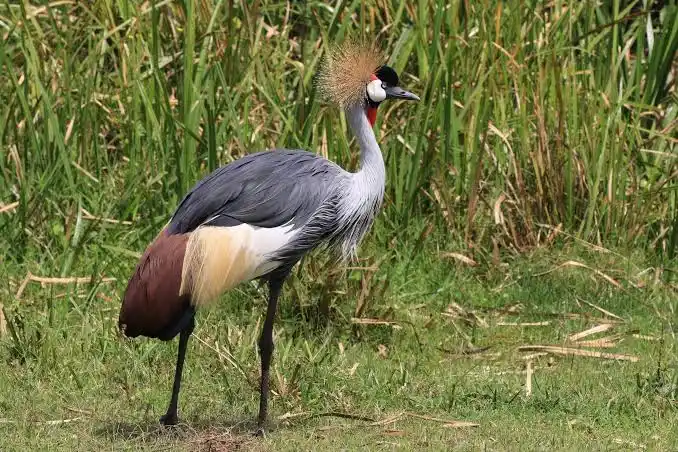
Uganda’s National Bird: The Grey Crowned Crane (Balearica regulorum)
The Grey Crowned Crane – also called the Crested Crane – is Uganda’s official national bird, featured proudly on the flag and coat of arms.
According to NatureUganda (the BirdLife International partner), these birds are vital indicators of wetland health.
- Identification: Elegant slate-grey body, white wing patches, red throat pouch, and a crown of golden bristles.
- Habitat: Grasslands, marshes, farm edges, and wetlands throughout the country.
- Behavior: Often seen feeding in pairs or small groups, with graceful dances and soft calls.
This striking bird is now listed as endangered due to habitat loss and human pressures, but it remains common in many open wetland areas.
Urban Favorites: Birds You’ll See Everywhere
You don’t need to travel far to watch birds in Uganda. These species thrive in cities, towns, and gardens.
1. Common Bulbul (Pycnonotus barbatus)
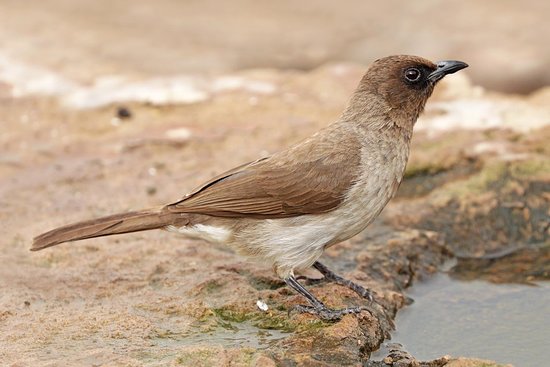
A lively, social species seen around shrubs and gardens, with a distinctive dark head and bright yellow under-tail.
2. Hadada Ibis (Bostrychia hagedash)
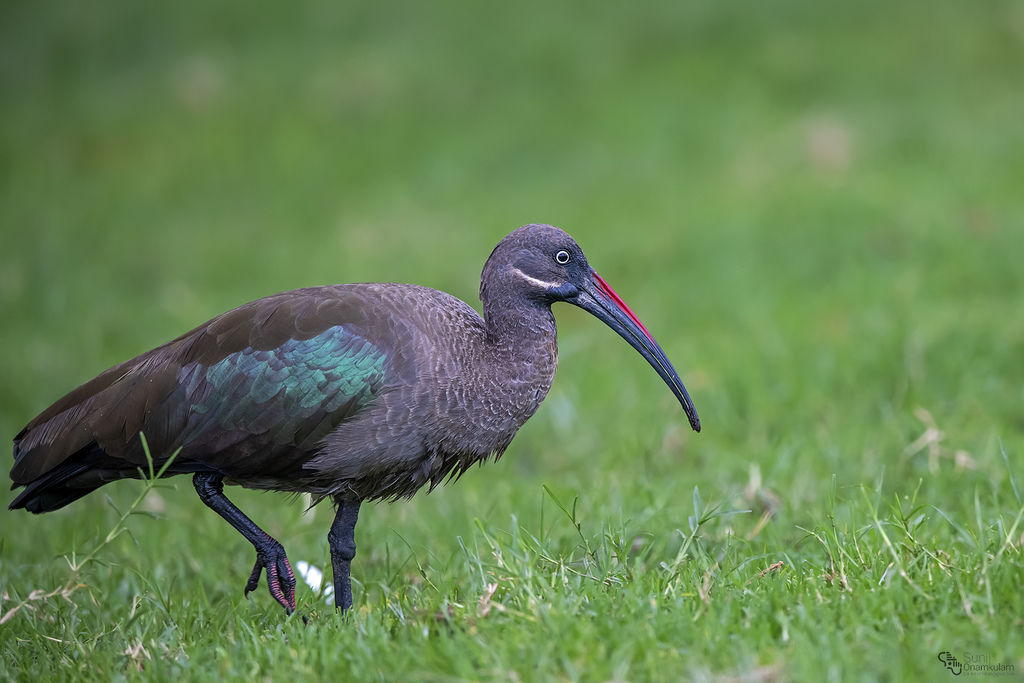
Also called the “Alarm Clock of Africa,” this large gray–brown ibis announces the day with its famous “ha-ha-ha-de-dah” call.
3. Pied Crow (Corvus albus)
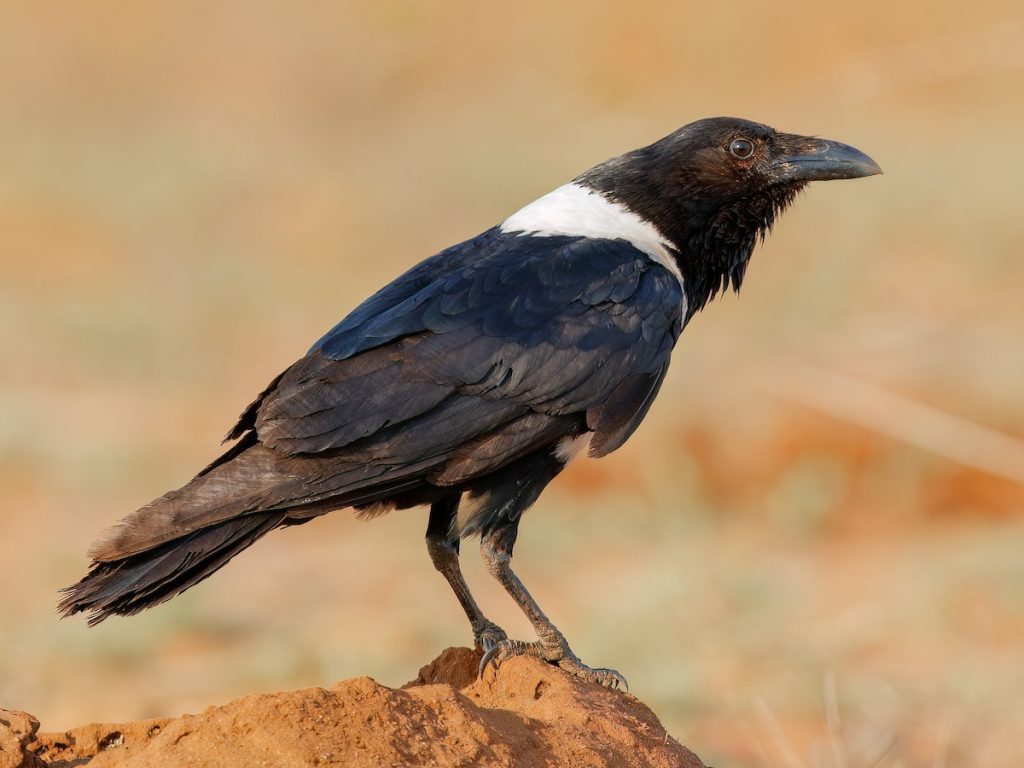
A common and intelligent scavenger, easily identified by its glossy black body and white chest patch.
These “everyday” birds are perfect for beginners to start practicing bird ID skills.
Uganda’s “Iconic Wetland Giant”: The Shoebill (Balaeniceps rex)
No bird in Uganda captures curiosity like the Shoebill Stork – a prehistoric-looking water bird known for its enormous shoe-shaped bill and quiet, patient hunting style. Birding experts from the Uganda Wildlife Authority (UWA) emphasize the importance of these wetlands for their survival.
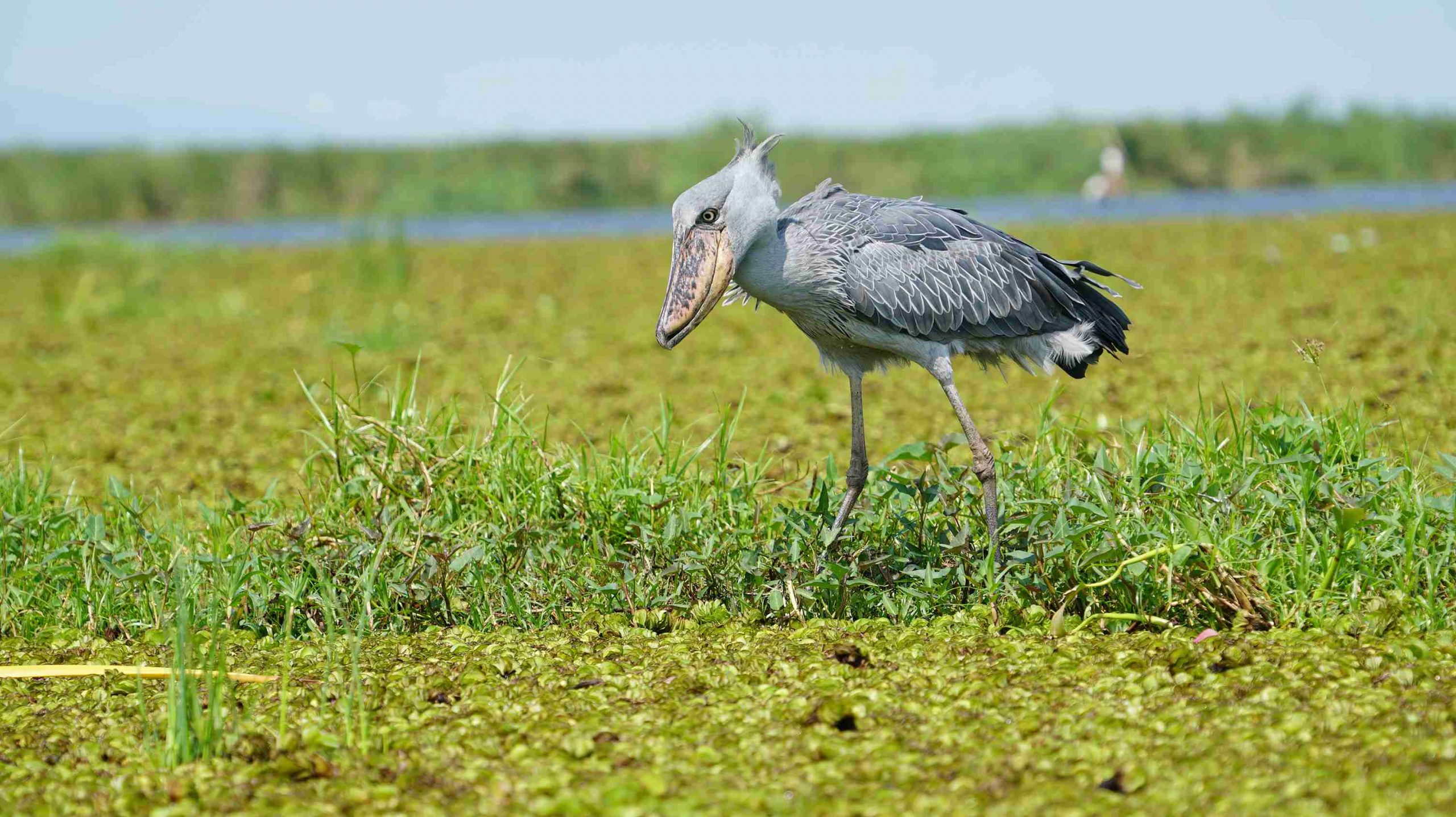
- Identification: Large grey body with massive bill, long legs, and a still, stork-like posture.
- Where to See Them: Best spotted in Mabamba Swamp, a sprawling RAMSAR wetland on Lake Victoria’s edge known for over 300 species of birds.
- Behavior: Shoebills often stand motionless in papyrus and reeds before plunging their bills into water to catch fish.
This species is vulnerable on the IUCN Red List, making sightings even more thrilling for birders.
Pro-Tip: The Shoebill Quest
To maximize your chances at Mabamba, arrive by 7:00 AM. The birds are most active in the cool of the morning when they hunt for lungfish. Ask your boatman to look for “floating vegetation mats”- Shoebills love to stand on these to stay still for hours.
Other Common Water Birds to Spot near Lakes & Rivers
Thanks to Uganda’s abundant wetlands, lakes, and rivers, birdwatchers can easily see these water lovers:
- Pied Kingfisher – Black-and-white pattern, hovers before diving for fish.
- African Fish Eagle – Iconic raptor with a distinct whistled call, often seen near large water bodies.
- African Fin foot – A shy water bird with a neon orange bill and feet, found in quieter waterways.
Garden Jewels: Sunbirds and Weavers
Sunbirds
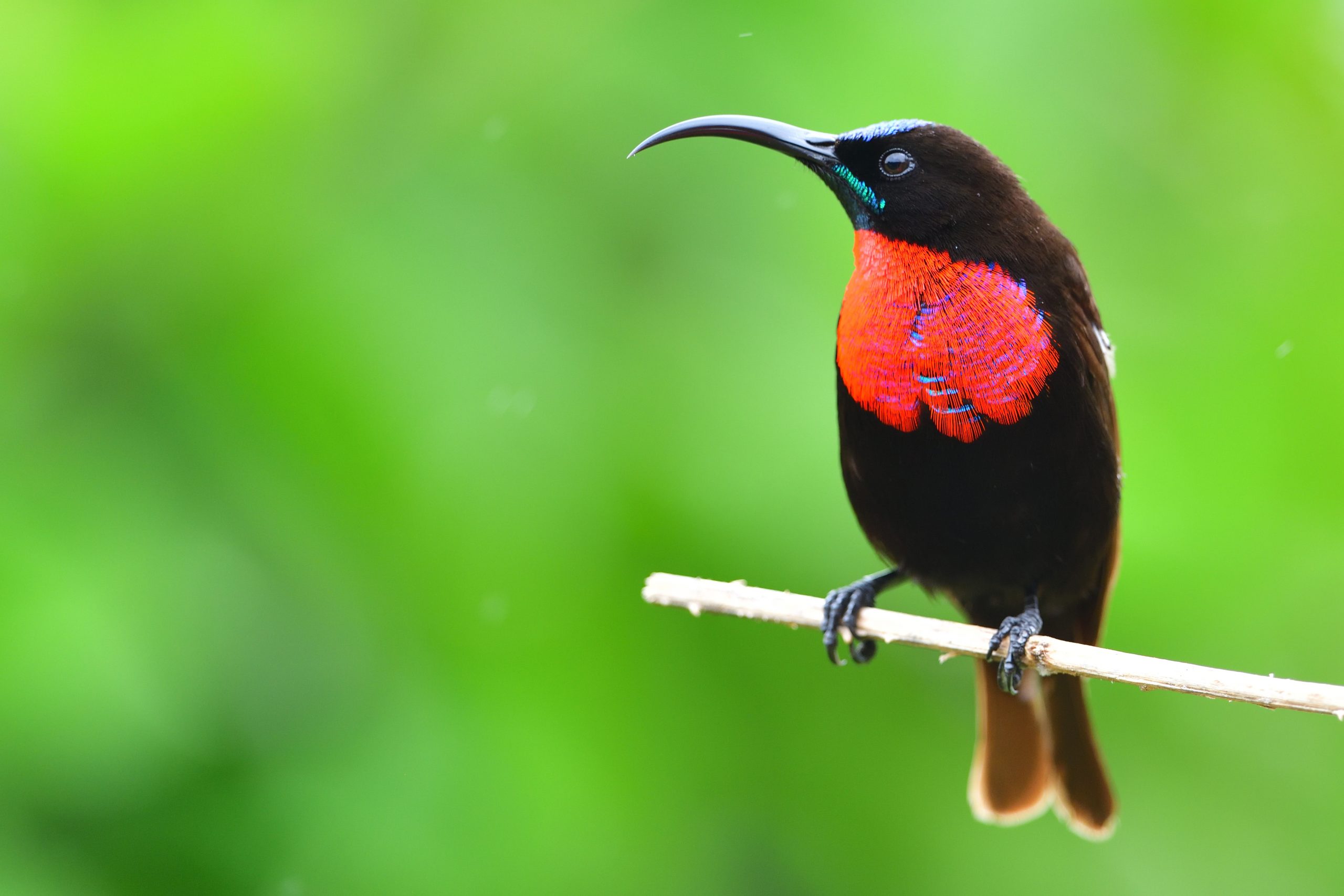
Small and colorful nectar feeders flitting between flowers – imagine Africa’s version of hummingbirds.
Some common garden sunbirds include:
- Scarlet-chested Sunbird
- Bronze Sunbird
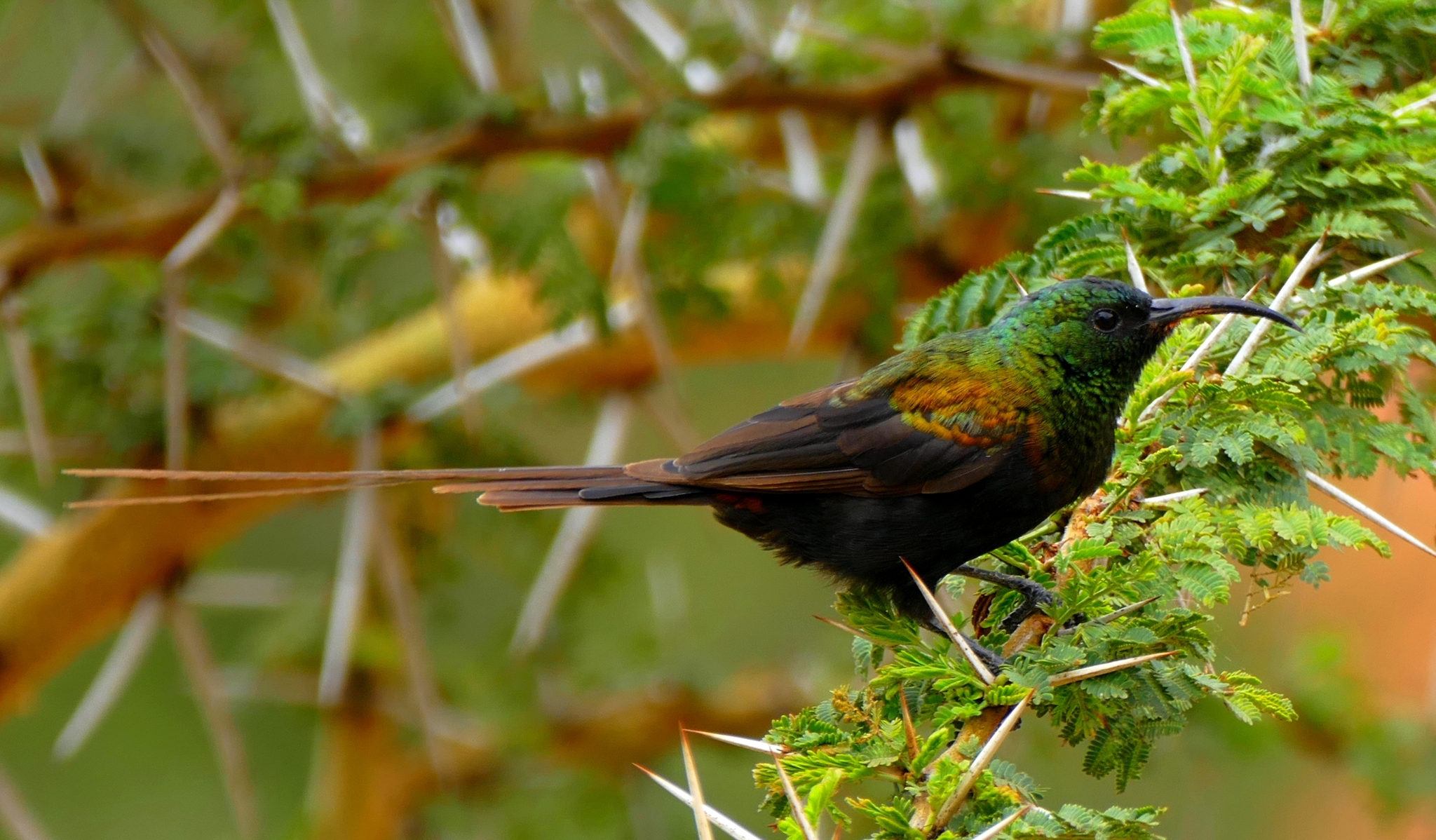
They bring vivid splashes of iridescent color to open gardens and forest edges.
Weavers
Named for the intricate hanging nests they build, Village Weavers are among the most familiar in town and countryside. Their bright yellow plumage and buzzing colony sounds enliven trees throughout Uganda.
Rare & Range-Restricted Birds: Ugandan Highlights
Fox’s Weaver (Ploceus spekeoides)
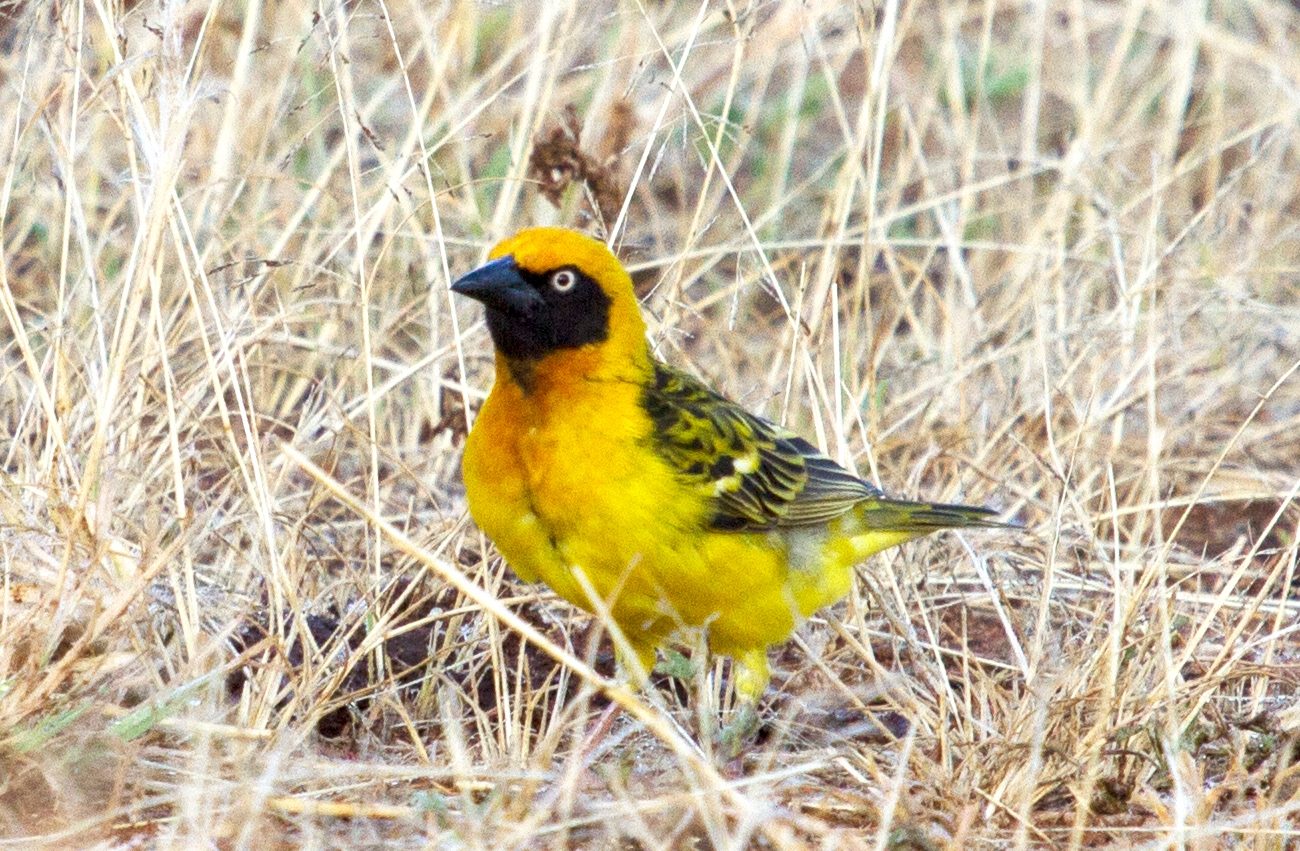
Often referenced as Uganda’s only true endemic species, the Fox’s Weaver is a rare bird confined to moist savannas and papyrus lakes in the east.
While Lake Bisina is a traditional spot, recent 2024/2025 surveys highlight Pian Upe Wildlife Reserve as a critical new stronghold for breeding colonies, making it a top priority for serious birders.
Albertine Rift Species
Uganda lies in the Albertine Rift biodiversity hotspot, home to distinct and restricted birds such as:
The “Holy Grail” Albertine Rift Endemics
Uganda is the most accessible place to see the 24 species restricted to the Albertine Rift. For a true masterpiece list, keep an eye out for these:
- Grauer’s Broadbill (African Green Broadbill): The “Holy Grail” of Bwindi. A tiny, leaf-green bird found only in the high-altitude Ruhija sector.
- Shelley’s Crimson wing: One of the world’s rarest finches. Seeing this bright red beauty in the bamboo zones of Mgahinga is a “lifer” moment for any birder.
- Rwenzori Turaco: A stunning, multi-colored bird with a brilliant red crest and wings, often spotted leaping through the canopy in the Rwenzori Mountains.
- Short-tailed Warbler: A unique, ground-dwelling bird that looks almost tailless; it’s a master of disguise in the forest undergrowth.
- Handsome Francolin: A large, ground-walking bird with distinctive red skin around the eyes, common in the damp forest floors of the southwest.
These species are easier to see in forests like Bwindi Impenetrable Forest and Kibale National Park.
Best Birdwatching Spots in Uganda
Uganda’s variety of habitats ensures excellent birding almost everywhere – but some hotspots stand out:
1. Mabamba Swamp
World-renowned for the shoebill and papyrus specialists, such as the papyrus gonolek and swamp warbler.
2. Bwindi Impenetrable Forest
Forest giants like the Great Blue Turaco and Albertine Rift endemics make this montane forest a must-visit.
Related Blog post: Ultimate Birdwatching in Bwindi
3. Queen Elizabeth National Park
More than 600 bird species are recorded here – from marsh birds to majestic raptors.
Pro-Tip: The Kazinga Channel Secret
Don’t just look for birds in the trees. Take the UWA Launch Trip on the Kazinga Channel in the late afternoon. You’ll get eye-level views of Skimmers and Kingfishers that you simply cannot get from a safari vehicle.
4. Lake Mburo National Park
Savanna and wetland birds such as the African finfoot and saddle-billed stork are common here. (Lake Mburo National Park, Uganda)
5. Kibale Forest & Bigodi Wetlands
Ideal for forest specialists like pittas, kingfishers, and sunbirds.
Beginner’s Checklist: What to Pack for Birding in Uganda
To enjoy Uganda’s birdlife like a pro, ensure your kit includes these essentials:
- Optics: A pair of 8×42 or 10×42 binoculars is the industry standard for birding in forests and savannas.
- The “Bible”: Carry the Field Guide to the Birds of East Africa by Stevenson and Fanshawe – it is the most trusted resource in the region.
- Footwear: Waterproof hiking boots are essential for Bwindi, while gum boots are highly recommended for the muddy channels of Mabamba Swamp.
- Apparel: Wear neutral colors (khaki, green, or brown). Avoid bright whites or reds, which can startle shy species like the Great Blue Turaco.
- Apps: Download the eBird app or Merlin Bird App before you go to log your sightings and contribute to global citizen science.
Frequently Asked Questions
What is the national bird of Uganda?
The Grey Crowned Crane is a symbol of peace and elegance.
Where can I see a Shoebill?
Mabamba Swamp near Entebbe is the most famous place, with additional sightings around Murchison Falls and river swamps
What is Uganda’s rarest bird?
The Fox’s Weaver – found in limited wetland areas in Eastern Uganda.
Do Marabou Storks pose a danger to people?
No – generally, they are scavengers and avoid humans. Marabou storks are commonly found in both rural and urban areas.
Best time for birdwatching in Uganda?
Birding is great year-round, but dry season months like December–February and June–August offer easier access and more active birds.
Conclusion
From the prehistoric shoebill to vibrant sunbirds and rare Albertine Rift endemics, Uganda’s avian diversity is world-class. You don’t need to be a seasoned birder to enjoy its birds – start in your garden or visit a local wetland and let the adventure begin.
📌We’d love to hear which birds you’ve spotted – share in the comments!