Where to see the Big Five in Southern Africa, what to expect in each park, best seasons for sightings, and how to plan a winning safari with Agasaro Safaris.
Table of Contents
Introduction
Southern Africa is one of the world’s most rewarding regions for seeing the Big Five—lion, leopard, elephant, rhinoceros, and Cape buffalo. The mix of savanna, riverine forest, mopane woodland, and seasonal floodplains creates ideal conditions for predators and large herbivores, especially in the dry months when wildlife crowds around shrinking water sources. This guide blends field-based knowledge, recent park data, and conservation insight to help you plan a Big Five safari that is memorable, responsible, and realistic about your chances.
Author & Expertise
This guide is designed for travelers wanting practical, honest safari planning advice rather than generic marketing blurbs. It draws on recent park and conservation reports, along with long-term operator and guide observations from Southern Africa’s major safari destinations, and reflects current thinking on experience, expertise, authoritativeness, and trust in travel content. Always double-check park conditions and official travel advisories close to your departure date, as weather, safety, and access can change quickly.
Where to See the Big Five in Southern Africa
Safety, Conditions & Planning in 2026
Planning a Big Five safari in 2026 means balancing bucket-list sightings with real-world safety, climate, and conservation realities. Travel advisories, extreme weather, and evolving wildlife management strategies should influence both where you go and how you structure your trip.
- Parts of Southern Africa, including areas of South Africa, are experiencing periods of heavy rainfall and occasional flooding, which can temporarily close roads, airstrips, or even sections of parks.[gov]
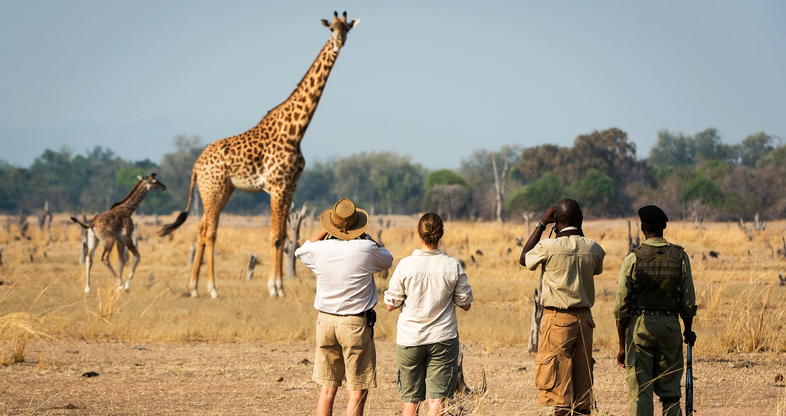
- Walking safaris—particularly in places like South Luangwa and Mana Pools—offer immersion but carry a higher risk than vehicle-based game drives, making experienced guides and strict protocols essential.
Safari Safety Basics
- Safari travel is generally considered a relatively low-risk adventure activity compared with things like mountaineering or some water sports, but lapses in safety behavior around wildlife can have serious consequences.
- Follow guide instructions, stay in vehicles unless told otherwise, and avoid operators who encourage you to get closer to animals than feels sensible just for a photograph.
Why These Parks Work for Big Five Sightings
The parks in this guide share three core strengths: diverse habitats, solid prey bases, and management models that support both predators and large herbivores. Some offer reliable Big Five sightings year-round, while others peak in dry months when animals funnel into smaller areas around water.
Typical advantages across these destinations include:
- Established predator populations monitored by long-term projects (for example, leopard research in Sabi Sand).[singita]
- Large elephant and buffalo herds are linked to rivers, floodplains, and pumped waterholes in parks such as Chobe, Hwange, and Etosha.
- Active anti-poaching work and conservation funding through park fees and lodge contributions, especially in rhino areas.[krugerpark.co]
What are the best parks to see the Big Five in 2026?
Timing suggestions assume typical rainfall patterns; climate variability is increasing, so expect more year-to-year differences than in the past.
1. Kruger National Park, South Africa
Identification & Highlights
Kruger is one of Africa’s flagship Big Five destinations, with a huge road network and habitats ranging from open savanna to dense riverine thickets. Expect regular elephant and buffalo sightings, strong lion numbers, and good chances of spotting leopard, especially in areas with riverine vegetation and rocky outcrops. Rhino numbers have declined significantly over the last decade because of poaching, so sightings are possible but less frequent than they once were.
Best Time for Sightings
- May to October (dry winter) is optimal for visibility and waterhole-based viewing, as vegetation is thinner and animals depend more heavily on fewer water sources.
- Shoulder months such as April and November can offer good wildlife with fewer vehicles but come with higher chances of rain and thicker vegetation.
Why Go
- Excellent self-drive options and a wide range of accommodation, from budget rest camps to upscale private lodges.
- High odds of seeing lions, elephants, and buffalo over a 3–4 night stay, with leopards and rhinos as valuable bonuses rather than guarantees.
Pro Tip
If predators are your priority, spend more time in southern Kruger and along the western boundary near private reserves such as Sabi Sand, where predator densities are among the highest in the region.
2. Sabi Sand Game Reserve, South Africa
Identification & Highlights
Sabi Sand shares an unfenced boundary with Kruger and is world-famous for leopard viewing thanks to long-term monitoring and habituation. Studies have recorded some of the highest leopard densities in South Africa, and lions, elephants, rhinos, and buffalo are also regularly seen on multi-night stays.
Best Time to Visit Sabi Sand Game Reserve
- May to October offers excellent visibility, cooler temperatures, and very high chances of multiple predator encounters.
Why Go
- Off-road driving (within strict rules) and highly trained guide–tracker teams greatly increase your odds of finding elusive cats and observing natural behavior.
- Lodges range from comfortable to ultra-luxury, typically including all meals and guided activities, making logistics simple once you arrive.
Pro Tip
Serious photographers should book lodges with dedicated photo vehicles or hides and speak to the lodge in advance about their specific photographic needs, such as beanbags, charging stations, and seating layout.
3. Chobe National Park, Botswana
Identification & Highlights
Chobe’s riverfront near Kasane is one of Africa’s premier elephant-viewing areas, with large herds congregating along the Chobe River in the dry season. Lion and leopard are also present, along with buffalo and rich general game, making Big Five sightings possible when itineraries are well-planned.
Best Time to Visit Chobe National Park
- May to October, when elephants and other wildlife are drawn to the river, and visibility is often at its best.
Why Go
- Boat safaris on the Chobe River offer exceptional low-angle views of elephants, hippos, crocodiles, and sometimes predators on the banks.
- Easy to combine with Victoria Falls and other Northern Botswana or Zimbabwe destinations.
Pro Tip
Late afternoon boat cruises typically offer excellent light and busy riverbanks, and they pair well with a morning game drive on land for a varied day.
4. Moremi Game Reserve, Botswana
Identification & Highlights
Moremi covers part of the Okavango Delta’s eastern edge, with a mosaic of mopane woodland, floodplains, and channels that support a full range of large mammals. Lions, leopards, elephants, and buffalo are frequently encountered; rhinos occur in some areas but are less commonly seen by casual visitors.
Best Time to visit Moremi Game reserve
- June to October, when water levels shape the classic Delta landscape and wildlife clusters around permanent water sources.
Why Go
- Great for combining land-based game drives with water-based activities, such as boat trips or traditional mokoro outings in suitable conditions.
- Offers a more remote, wild feel than some busier parks when you stay in smaller, strategically located camps.
Pro Tip
Mobile or seasonal camps that follow wildlife movements can put you closer to high-activity areas, especially in shoulder months when patterns are more fluid.
5. Etosha National Park, Namibia
Identification & Highlights
Etosha’s vast salt pan is surrounded by woodland and grassland punctuated with waterholes that draw in wildlife, particularly in the dry season. Lions, elephants, and black rhinos are regularly seen at key waterholes, sometimes alongside mixed herds of antelope and giraffe.
Best Time to Visit Etosha National Park
- July to October, when waterholes become magnets and animals travel long distances to drink, creating excellent viewing opportunities.
Why Go
- One of the best self-drive safari destinations, with clearly signposted routes and accessible waterholes.
- Many camps are built near floodlit waterholes, giving you the chance to watch rhinos and other nocturnal visitors after dark from a safe distance.
Pro Tip
Treat major waterholes like wildlife “theaters”: settle in for a couple of hours at key times (early morning, late afternoon, early night) instead of constantly driving between them.
6. Hwange National Park, Zimbabwe
Identification & Highlights
Hwange offers big elephant numbers, strong lion and hyena populations, and a mix of natural and pumped waterholes that concentrate wildlife in the dry season. Buffalo, sable, and a variety of plains species round out the experience, and wild dogs are occasionally seen.
Best Time to Visit Hwange National Park
- August to November, when the dryness intensifies, and wildlife gathers at waterholes in high densities.
Why Go
- A relatively uncrowded park with a wild, remote atmosphere and camps that often overlook active pans.
- Strong general game and predators make it a good choice for travelers who value atmosphere and animal behavior over ticking off species as quickly as possible.
Pro Tip
Late dry season can be very hot; schedule siestas during the heat of the day and focus activity on early mornings and evenings when both wildlife and photographers are happiest.
7. South Luangwa National Park, Zambia
Identification & Highlights
South Luangwa is known for its walking safaris and high densities of lions and leopards in a riverine and lagoon-rich landscape. Night drives are common here and significantly increase the chance of observing leopards and other nocturnal predators.
Best Time to Visit South Luangwa National Park
- July to October, when water sources shrink and wildlife clusters along the Luangwa River and the remaining lagoons.
Why Go
- Walking safaris reveal details easily overlooked from vehicles: small tracks, insects, plants, and subtle animal behavior.
- Strong predator numbers and varied habitats deliver excellent day and night game viewing when paired with experienced guiding teams.
Safety Note
Because walking carries a higher inherent risk, choose reputable operators with fully qualified walking guides and armed scouts, and be honest about your fitness and comfort level with close-range wildlife encounters.[
Pro Tip
Balance your stay between walks and vehicle-based drives so you get both immersion and high-probability sightings.
8. Mana Pools National Park, Zimbabwe
Identification & Highlights
Mana Pools is famous for its Zambezi River frontage, floodplains, and winterthorn forests used by elephants, buffalo, and predators. It is one of the few parks where walking and canoeing are central parts of the safari experience under the right guidance.
Best Time to Visit Mana Pools National Park
- July to November, when the river levels are lower, and wildlife tends to concentrate around remaining pools and the Zambezi.
Why Go
- Small, low-density camps provide an intimate, wild atmosphere.
- Canoe safaris offer a unique perspective on elephants and other mammals as they approach the river, along with rich birdlife.
Pro Tip
Book a multi-day stay rather than a quick visit; Mana Pools rewards slow travel, with animal patterns and light changing day by day.
9. Addo Elephant National Park, South Africa
Identification & Highlights
Addo is best known for its elephants and increasingly for its growing predator populations as carnivore reintroductions and management continue. While elephants tend to be the headline, lions and hyenas add to the park’s appeal, and a coastal extension protects marine life along the South African coast.
Best Time to Visit Addo Elephant National Park
- Year-round, with pleasant conditions in autumn and spring; summer can be hot, and you may need to plan drives around heat and light.
Why Go
- Close to coastal hubs and the Garden Route, Addo integrates easily into self-drive itineraries that combine wildlife, beaches, and wine regions.
- Malaria risk is very low, making it attractive for families and travelers who cannot or prefer not to take antimalarial medication.
Pro Tip
Use Addo as both a wildlife destination and a “bridge” between Cape Town/ Garden Route scenery and more remote, larger parks further north.
10. Kgalagadi Transfrontier Park, South Africa & Botswana
Identification & Highlights
Kgalagadi’s semi-arid dunes and fossil riverbeds are ideal for observing black-maned Kalahari lions, cheetahs, and raptors, though rhinos and buffalo are not a realistic goal in many visitor zones. It is best treated as a specialist predator and desert-adapted wildlife destination.
Best Time to Visit Kgalagadi Transfrontier Park
- May to September, when temperatures are cooler, and wildlife tends to concentrate along riverbeds and pans.
Why Go
- Stunning open landscapes, big skies, and long sightlines offer dramatic photography and extended observation of predator–prey dynamics.
- Particularly rewarding for repeat safari-goers and those interested in behavior and desert ecology.
Pro Tip
Allow extra time for long drives between camps and bring layered clothing: mornings and evenings can be cold, while midday can still be hot and dry.
Walking Safaris vs Vehicle Safaris
Both walking and vehicle-based safaris can be exceptional, but they differ in risk, viewing style, and Big Five success rates.
Walking vs Vehicle Safari Table
| Aspect | Walking Safari | Vehicle Safari |
| Safety | Higher inherent risk; strict protocols essential | Lower risk; vehicle shape acts as a psychological “barrier” for wildlife |
| Big Five Likelihood | Lower overall (focus on smaller details & tracks) | Higher overall (cover more ground, easier to locate big game) |
| Immersion | Very high; emphasis on sounds, smells, and tracks | Moderate to high; excellent viewing but less tactile |
| Physical Demand | Moderate to high; walking in heat on uneven ground | Low; mostly seated with some short walks from vehicle |
| Best Uses | Learning tracking, ecology, and subtle behavior | Higher overall (covers more ground, easier to locate big game) |
| Ideal Parks | South Luangwa, Mana Pools, select private reserves | Kruger, Sabi Sand, Chobe, Etosha, Hwange |
For most travelers, a mix of vehicle-based drives and carefully structured walks offers the best blend of safety, immersion, and sightings.
Budget Snapshot: Typical Daily Costs by Park
Safari pricing varies widely by season, lodge level, and whether you are self-driving or on a fully inclusive package. The figures below are indicative per-person, per-day estimates for 2025–2026 (excluding international flights).
Safari Cost Comparison Table (Indicative)
| Park / Region | Entry Fees (approx.) | Budget (USD/day) | Mid-Range (USD/day) | Luxury (USD/day) |
| Kruger NP (SA) | ~20–30 | 150–300 | 400–600 | 800–1,200+ |
| Sabi Sand (SA) | Included in lodge | 250–400 | 600–900 | 1,200–2,500+ |
| Chobe (Botswana) | ~20–30 | 200–350 | 500–700 | 1,000–2,500+ |
| Moremi / Okavango | ~30–40 | 250–400 | 600–900 | 1,500–3,000+ |
| Etosha (Namibia) | ~10–20 | 180–300 | 400–600 | 800–1,800+ |
| Hwange (Zimbabwe) | ~20–30 | 160–280 | 400–550 | 800–1,500+ |
| South Luangwa (Zam.) | ~25–35 | 170–300 | 450–650 | 900–2,000+ |
| Mana Pools (Zim) | ~30–40 | 200–350 | 500–700 | 900–2,000+ |
| Addo (SA) | ~15–20 | 120–250 | 300–500 | 600–900+ |
| Kgalagadi (SA/Bots) | ~10–20 | 120–250 | 300–500 | 600–900+ |
Budget ranges reflect averages drawn from recent safari pricing guides and operator listings; low-season deals or packaged discounts can reduce costs, while ultra-luxury or exclusive-use properties can be significantly higher.
Conservation, Poaching & Responsible Travel
Travelers increasingly want to understand how safari tourism affects wildlife and communities. In Southern Africa, park fees, lodge investments, and philanthropic programs often form a significant part of conservation funding.
Rhino Conservation
Kruger and some neighboring reserves continue to face pressure from poaching, but intensive efforts—including dehorning, improved intelligence, and expanded ranger forces—have reduced annual poaching numbers from earlier peaks. Choosing operators that contribute to anti-poaching units, research projects, and community outreach helps channel your spending toward long-term species survival.
Climate & Wildlife
Increased climate variability is bringing more frequent droughts, heatwaves, and occasional flooding to parts of Southern Africa, which in turn affects water availability, vegetation patterns, and animal movement. Flexible itineraries, respect for temporary restrictions, and support for operators who adapt responsibly to changing conditions all make a difference.
Responsible Operator Checklist
Look for:
- Transparent conservation commitments and financial contributions.
- Local employment, fair wages, and community partnerships.
- Safety-first wildlife viewing policies (no harassment or baiting).
- Collaboration with researchers and conservation NGOs where possible.
Health, Malaria & Practical Planning
Health considerations vary by region, season, and your own medical history. Always seek professional medical advice well before travel.[gov]
Malaria & Health Overview Table
| Focus more othe n sun and dehydration risks | Malaria Risk (typical) | Practical Note |
| Kruger (SA) | Moderate (higher in N) | Prophylaxis often advised in season |
| Sabi Sand (SA) | Similar to Kruger | Follow same guidance as for Kruger |
| Chobe (Botswana) | Moderate–High in season | Prophylaxis commonly recommended |
| Moremi / Okavango | Moderate–High | Strong anti-malarial and bite precautions |
| Etosha (Namibia) | Low–Moderate | Still check latest regional advice |
| Hwange (Zimbabwe) | Moderate | Tailored medical advice recommended |
| South Luangwa (Zam.) | High | Prophylaxis strongly advised |
| Mana Pools (Zim) | High | Prophylaxis strongly advised |
| Addo (SA) | Low–Very low | Often no prophylaxis needed |
| Kgalagadi | Low | Focus more on sun and dehydration risks |
These are broad patterns; guidance may change over time, so always consult a travel health clinic or doctor.[gov]
What to Pack
- Neutral clothing, sturdy shoes, wide-brim hat, and sunscreen.
- Binoculars (around 8×42), a zoom-capable camera lens, spare batteries, and memory cards.
- Insect repellent, basic first-aid kit, and any personal medications.
Sample 10-Day Big Five Itinerary
This sample itinerary prioritizes Big Five sightings while mixing habitats and activities.
- Days 1–3: Kruger / Sabi Sand (South Africa)
Focus on lions, leopards, elephants, and buffalo with guided drives and optional short bush walks where appropriate. - Days 4–6: Chobe & Kasane (Botswana)
Combine river cruises and game drives for elephants, buffalo, hippos, and general game, with chances for lions and leopards. - Days 7–9: Moremi & the Okavango (Botswana)
Blend drives, boat trips, and, where offered, mokoro outings to experience both water and land habitats. - Day 10: Victoria Falls Add-On (Zimbabwe/Zambia)
Finish with one of the world’s great waterfalls, plus relaxed river or town-based activities.
Exact routing depends on flight options, visa rules, and current park conditions, so build in flexibility and confirm logistics carefully.
Related Blog article: Southern Africa Safari: 5 Best Safari & Beach Itineraries
FAQs
Which park gives the best overall chance of seeing all the Big Five in one trip?
Combining Kruger with Sabi Sand offers some of the strongest overall probabilities for all Big Five in a single itinerary, particularly for leopards, with Botswana’s Chobe and Moremi adding excellent elephant and buffalo viewing.
Are rhino sightings still realistic?
Rhino sightings are generally less frequent than in past decades because numbers are lower, but in certain areas of Kruger, private reserves, and Etosha, you still have a reasonable chance over a multi-day stay, especially with skilled guiding
Is a specialist guide really necessary?
In private reserves and for walking safaris, specialist guides significantly improve both safety and sighting quality, whereas in classic self-drive parks, you can combine independent exploration with a few guided drives for the best balance
Conclusion
A Big Five safari in Southern Africa will always involve an element of luck, but smart park choices, well-timed travel, experienced guiding, and responsible operator selection dramatically improve your chances—and help protect the landscapes and wildlife you came to see.
Let us start planning your dream Big Five Safari in South Africa now