Best Parks for Wildlife Photography in Southern Africa: Practical guide to the top parks for wildlife photography in Southern Africa, with camera tips, hides, and the best times to visit with Agasaro Safaris.
Table of Contents
Introduction
Southern Africa is a dream destination for wildlife photography for the big five, from tight predator portraits to sweeping scenes with herds under dramatic skies. This guide highlights the most photographer-friendly parks, explains when and where to shoot, and gives practical advice on gear, composition, and ethics. Use it to plan a trip that balances creative opportunities with safety and respect for wildlife.
Why These Parks Work for Photographers
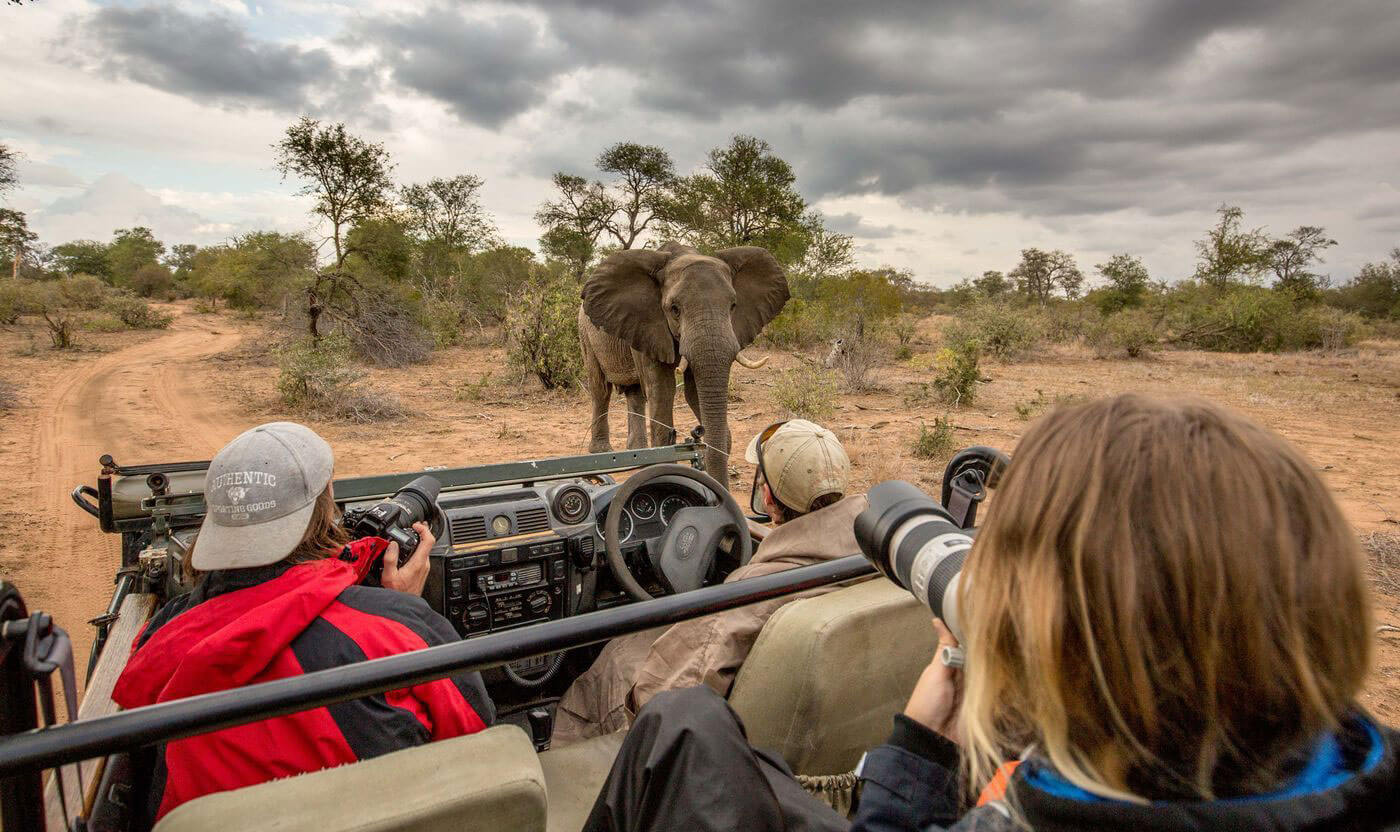
The best parks for photography combine approachable wildlife with big five safaris, beautiful light, varied habitats, and access to strong vantage points such as hides, river banks, and private concession tracks. Parks included here regularly offer:
- Habituated wildlife that tolerates vehicles at responsible distances.
- Reliable access to golden-hour shooting positions (sunrise/sunset roads, hides, river cruises).
- A mix of open spaces and textured environments for both tight and environmental compositions.
Best Parks for Wildlife Photography in Southern Africa
1. Sabi Sand Game Reserve, South Africa
Why photographers love it
Sabi Sand is renowned for close-range leopard photography, with generations of cats accustomed to vehicles. Private vehicles, off‑road access (within rules), and cooperative guiding give exceptional freedom to refine framing and composition.
- Best light: Early morning and late afternoon drives.
- Photo tip: Pair a 70–200mm for environmental predator portraits with a 300–600mm lens for tight big‑cat headshots and behavior.
2. Kruger National Park, South Africa
Why photographers love it
Kruger offers a long season of predictable game viewing, good road networks, and plenty of waterholes for mixed‑species scenes. Sunrise gates and loop roads make it easy to position early for soft, low‑angle light.
- Best light: Dawn drives followed by late‑afternoon golden hour sessions.
- Photo tip: Work waterholes and river crossings for layered compositions that include predators, prey, and birds in a single frame.
3. Moremi Game Reserve, Botswana
Why photographers love it
Moremi’s wetlands and floodplains produce reflection shots of elephants, buffalo, and antelope against mirrored skies. The mix of woodland and open areas is ideal for both creative silhouettes and classic portraits.
- Best light: Dry season mornings for glassy water and reflections; late afternoons for warm backlight through dust or mist.
- Photo tip: Use foreground reeds, reflections, and curving channels to lead the eye into the frame.
4. Chobe National Park, Botswana
Why photographers love it
Chobe’s huge elephant herds along the river create dramatic backlit scenes and silhouettes, especially from boats. Water‑level perspectives are excellent for both mammals and birds.
- Best light: Sunset boat cruises with strong backlight and rim‑lighting on dust and spray.
- Photo tip: Experiment with slightly slower shutter speeds for controlled motion blur as elephants or boats move across the frame.
5. Okavango Delta, Botswana
Why photographers love it
The Okavango Delta offers water‑based scenes, mixed light, and varied angles from boats and mokoros (canoes), ideal for low‑angle images of elephants, antelope, and aquatic birds.
- Best light: Early morning mist for ethereal scenes; late afternoon for warm side and backlight.
- Photo tip: Bring waterproof protection for gear and a fast telephoto for birds and distant subjects.
6. Etosha National Park, Namibia
Why photographers love it
Etosha’s waterhole hides and wide pans offer clean backgrounds and predictable animal arrivals. The pale pan and sparse vegetation help isolate subjects against simple, graphic backdrops.
- Best light: Late dry season afternoons and evenings when animals queue at limited waterholes.
- Photo tip: Use hides to create tight, uncluttered portraits and to work patiently with repeating behaviors (drinking, sparring, interactions).
7. South Luangwa National Park, Zambia
Why photographers love it
South Luangwa’s walking safaris and river loops deliver ground‑level views and classic scenes of lions, leopards, and hippos. Night drives add another creative layer for spotlight work.
- Best light: Early morning walks for soft light and cooler temperatures; late afternoon for warm tones around the river.
- Photo tip: A 24–70mm is excellent for storytelling and context, while a 200–400mm lets you compress subjects against dramatic backgrounds.
8. Hwange National Park, Zimbabwe
Why photographers love it
Hwange’s elephant and buffalo concentrations around waterholes make for quintessential African scenes. Open pans lend themselves to wide environmental frames and layered compositions.
- Best light: Late dry season when herds cluster tightly around pans in harsh but dramatic light.
- Photo tip: Go wide for storytelling—include large groups, sky, clouds, and dust to communicate scale and atmosphere.
9. Mana Pools National Park, Zimbabwe
Why photographers love it
Mana Pools’ walk‑ and canoe‑based safaris offer varied perspectives on elephants, wild dogs, and other mammals moving through floodplains and forests. Winterthorn groves and river views add character and depth.
- Best light: Late dry season for high game density, low grass, and textured skies; sunrise and sunset for silhouettes and long shadows.
- Photo tip: Use low‑angle positions to capture elephants crossing open floodplains, emphasizing long legs, shadows, and distant horizons.
10. Kgalagadi Transfrontier Park, South Africa & Botswana
Why photographers love it
Kgalagadi’s open desert landscapes and big skies are ideal for silhouettes, long shadows, and minimalistic predator images. Black‑maned lions and cheetahs stand out against simple backgrounds.
- Best light: Clear winter mornings and evenings with long, crisp shadows and intense color.
- Photo tip: Embrace negative space—compose small subjects against large sky or dunes to create graphic, emotive images.
Camera Gear, Settings & Support
Choosing the right gear and setup will make the most of these locations.
Lenses
- 70–200mm: Versatile lens for environmental portraits and behavior.
- 100–400mm or 150–600mm: Ideal for tight portraits, distant subjects, and birds.
- 24–70mm or similar: Excellent for camp life, landscapes, and storytelling images.
Support
- Monopod: Best for vehicle use and mobility, especially with heavy telephotos.
- Tripod: Useful for hides, waterhole work, starscapes, and long exposures.
Core Settings
- File type: Shoot RAW to maximize editing flexibility.
- Focus: Continuous AF (e.g., AI‑Servo/AF‑C) with back‑button focus if you are comfortable with it.
- Drive: Burst mode for action sequences such as hunting, running, or birds taking off.
- Shutter speed: Aim for at least 1/500s for moving predators and 1/1,000s or faster for fast action; adjust ISO to maintain shutter speed.
Composition & Storytelling
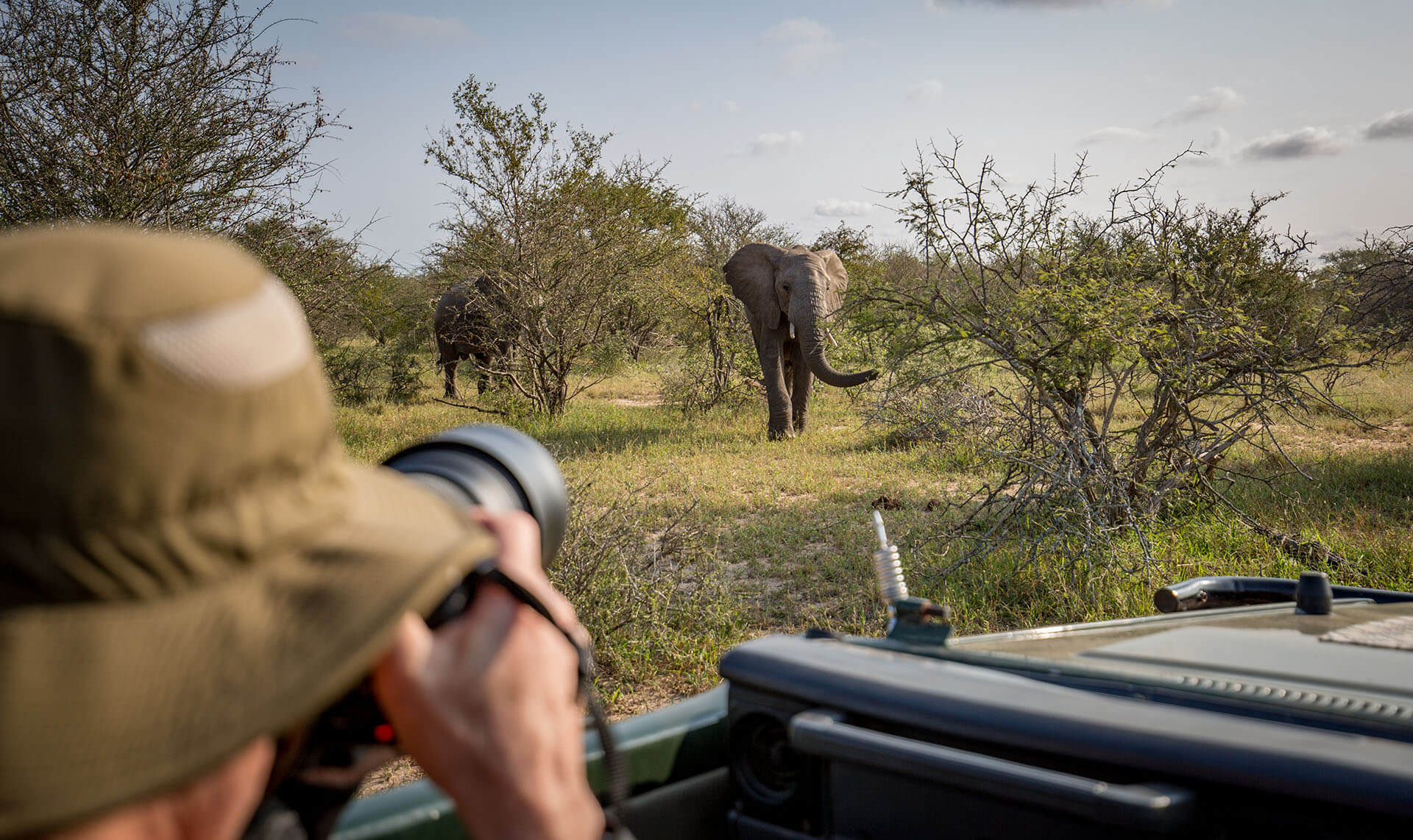
Technical sharpness is important, but compelling images come from composition and narrative.
- Include environment: Step back to show habitat, weather, and relationships between animals rather than only tight headshots.
- Foreground interest: Use grasses, branches, and water in the foreground to add depth and lead the eye into the frame.
- Golden hours: Prioritize early morning and late afternoon for warm light, low contrast, and catchlight in eyes.
- Sequences: Think in series—establishing shot, medium shot, close‑up—to tell a complete story of a sighting.
Ethical Wildlife Photography
Strong wildlife images never justify putting animals, guides, or yourself at risk.
- Never bait, call, or deliberately provoke animals to get a reaction.
- Respect guide instructions and local park rules at all times, even if it means missing a shot.
- Avoid flash at close range, especially with nocturnal species and during night drives.
- Keep noise and sudden movement to a minimum so animals can behave naturally.
Best Times, Light & Weather
Season and light have as much impact on your images as the park you choose.
- Dry season: Simplifies backgrounds, concentrates animals around water, and increases dust and atmosphere for dramatic light.
- Wet/green season: Offers lush colors, newborn animals, and stormy skies, but vegetation is thicker, and animals are more spread out.
- Early morning: Soft, cool light with active predators returning from night hunts and herbivores starting to feed.
- Late afternoon: Warm tones, side and backlight, dust and spray catching the sun, and long shadows that emphasize form.
- Reflections: Aim for calm, windless mornings to capture mirrorlike water surfaces.
Practical Tips for Photographers
Small planning decisions have big effects on your portfolio.
- Book vehicles and guides who understand photographic needs (angle to the sun, time at sightings, minimal rush).
- Request or prioritize hides and blinds when available, especially at waterholes and along key rivers.
- Allow 3–4 nights per park to experience different weather, angles, and behaviors.
- Communicate your goals clearly with your guide on day one (predators, birds, wide landscapes, or a mix).
What to Pack
- Camera body plus backup (or at least a robust contingency plan).
- Telephoto lenses (70–200mm plus 100–400mm or 150–600mm) and a general zoom (24–70mm).
- Monopod, optional tripod, remote release, and plenty of memory cards.
- At least three batteries per camera body, plus charger and travel adaptors.
- Lens cleaning kit, blower, microfiber cloths, and rain covers or dry bags.
- Neutral clothing, hat, sunscreen, and insect repellent for comfort during long drives.
Sample Two‑Week Photo‑Focused Route
This outline offers a balanced mix of predators, herds, water scenes, and structured hides.
- Days 1–4: Kruger / Sabi Sand (South Africa)
Focus on big cats and close predator work, combining private reserve drives with some self‑drive opportunities. - Days 5–8: Chobe & Moremi (Botswana)
River‑based photography and elephants in Chobe, followed by reflections and floodplain scenes in Moremi. - Days 9–12: Okavango Delta (Botswana)
Emphasize water‑level perspectives, birds, and creative mokoro or boat shots, plus classic game drives. - Days 13–14: Etosha (Namibia)
Finish with structured waterhole sessions and clean backgrounds for portrait work.
This route can be adapted up or down in budget by choosing different lodge tiers, traveling in shoulder season, or focusing more heavily on self‑drive segments.
FAQ
Is a long lens always best?
No. Tight portraits are powerful, but environmental images need shorter focal lengths to capture scale and habitat, so a 24–70mm or similar “walk‑around” lens is invaluable for storytelling.
Are hides necessary for good images?
Not strictly, but hides and blinds are extremely helpful for low‑angle waterhole portraits, shy species, and patient work without disturbing animals.
How many backup batteries should I bring?
Aim for at least three batteries per camera body for full‑day and multi‑day shooting, especially where charging time or power supply may be limited.
Conclusion
Southern Africa offers a park for every photographic objective, from intimate predator portraits to wide, minimalist desert scenes. Match your destination to your style, pair it with the right season and guides, and aim for images that respect wildlife and support conservation while telling compelling visual stories.
Contact us now to customize your safari package