What Are the Big 5 Animals in Africa? The animals that were considered the most dangerous, challenging, and awe-inspiring to approach on foot.
Table of Contents
Introduction
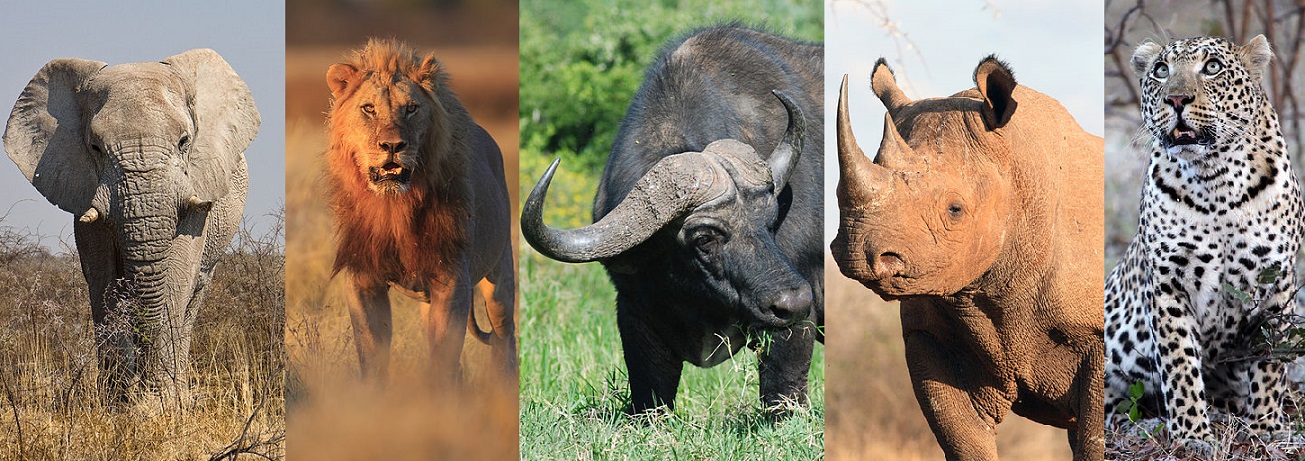
The Big 5 animals are among Africa’s most iconic wildlife species — lion, leopard, African elephant, rhinoceros, and Cape buffalo — celebrated by safari-goers, photographers, and wildlife lovers the world over. The term originally described the five most dangerous animals to hunt on foot, but today it celebrates wildlife encounters, biodiversity, and conservation-driven safari experiences.

This comprehensive guide explains what the Big 5 are, where to see them across Africa, their behavior and habitat, conservation challenges, and practical advice so you can plan your safari wisely. Along the way, you’ll find strategic internal links to relevant Agasaro Safaris guides, as well as useful external references for deeper reading.
What Are the Big 5 Animals in Africa? A Complete Safari Guide
The Big Five animals of Africa are the lion, leopard, African elephant, rhinoceros, and Cape buffalo, and they are some of the most sought‑after wildlife sightings on any African safari. Originally defined as the five most dangerous animals to hunt on foot, the term today celebrates conservation‑focused wildlife encounters and unforgettable safari experiences with Agasaro Safaris.
This guide explains what the Big Five are, why they matter, where to see them across Africa, and how to plan a responsible safari with the best possible chances of sightings. Throughout, you’ll find relevant links to in‑depth Agasaro Safaris guides for park‑specific tips and sample itineraries.
What “Big Five” Means and Why It Matters
The phrase “Big Five” dates back to colonial big‑game hunting, when hunters used it for Africa’s most challenging and dangerous animals to pursue on foot. Today, the term has been reclaimed by guides, photographers, and conservationists to highlight Africa’s most iconic wildlife and promote ethical viewing rather than hunting.
Beyond bucket‑list status, the Big Five play a major role in conservation funding and local economies. Safari tourism helps finance protected areas, support anti‑poaching initiatives, and provide jobs and income for nearby communities when trips are booked through responsible operators.
Related Blog Article: Why Are They Called the Small 5 Animals?
The Big Five Animals
1. African Lion (Panthera leo)
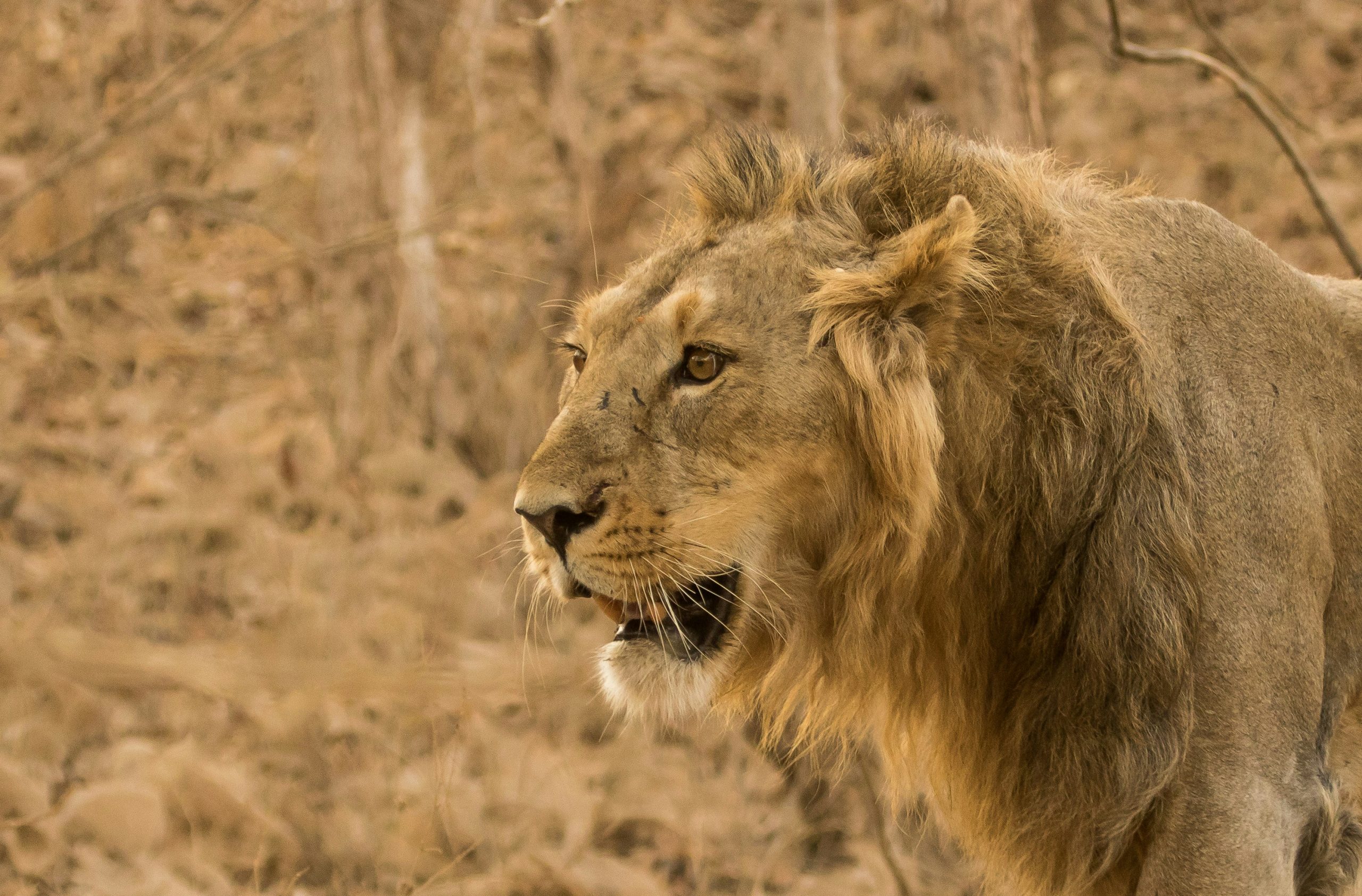
The African lion is often called the “king of the savannah,” living in social groups called prides where cooperation is key to hunting and survival. These powerful carnivores typically hunt large prey like buffalo, zebra, and wildebeest, and are most active during the cooler hours around dawn and dusk.
Top places to see lions:
- Kruger National Park, South Africa – Classic lion country with high densities and frequent sightings on game drives.
- Ngorongoro Crater, Tanzania – One of Africa’s most reliable Big Five destinations with a strong lion population in a relatively small area.
- Queen Elizabeth & Murchison Falls National Parks, Uganda – Excellent lion viewing, including famous tree‑climbing lions in the Ishasha sector of Queen Elizabeth National Park.
For park‑by‑park planning that combines lions with other Big Five species, see “Where to See the Big Five in Southern Africa” and “Where to See the Big Five in Uganda” on the Agasaro Safaris blog.
2. Leopard (Panthera pardus)
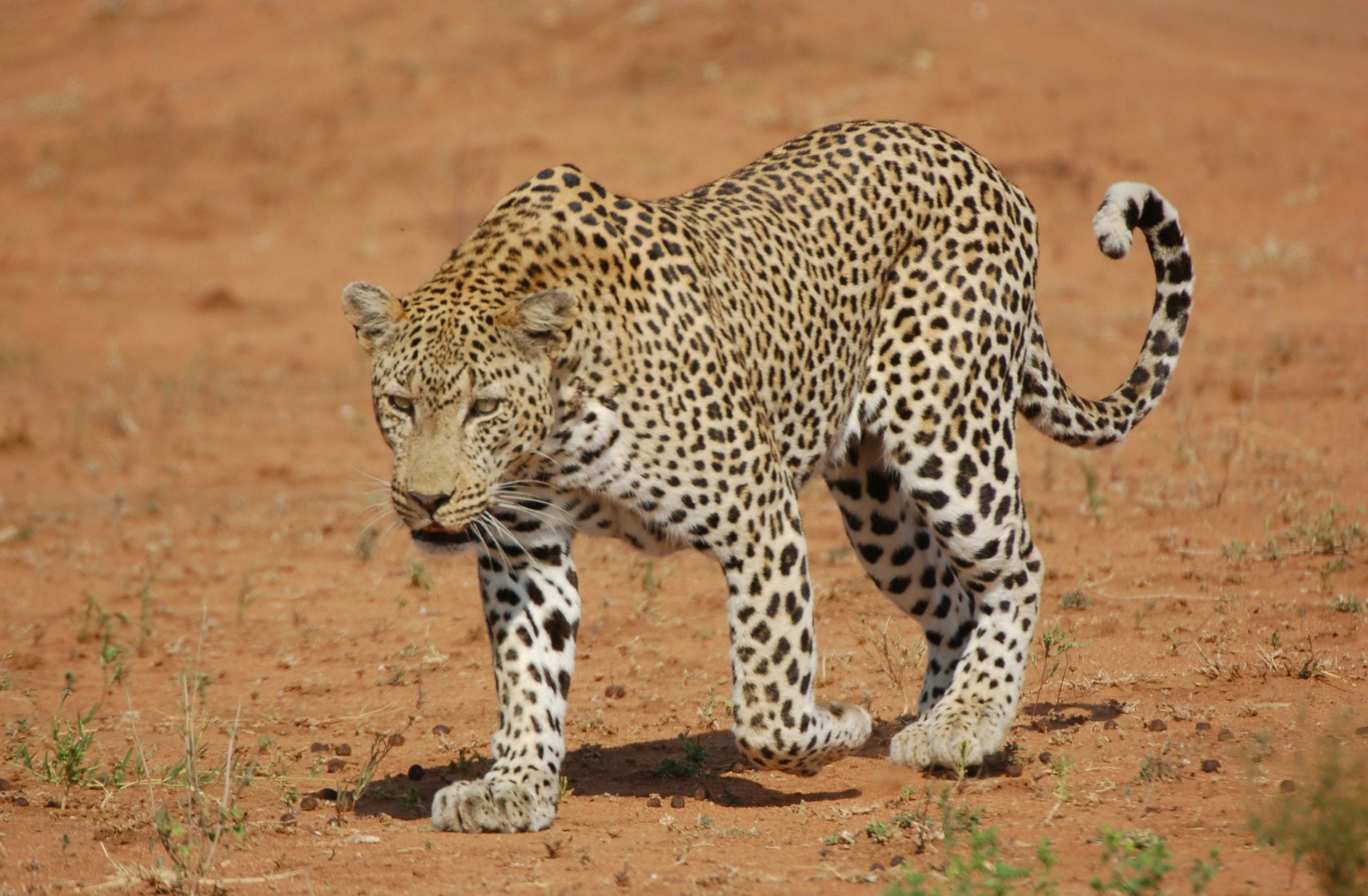
Leopards are solitary, stealthy cats known for their agility, powerful build, and rosette‑patterned coats. Unlike lions, they stalk and ambush prey alone and often drag kills into trees to keep them away from scavengers.
Best places to see leopards:
- Sabi Sand Game Reserve, South Africa – One of the most famous leopard hot spots in the world, with habituated cats and high sighting rates.
- Ngorongoro Crater, Tanzania – Leopards frequent the forest edges and rocky areas, mostly active in the evening and at night.
- Murchison Falls & Queen Elizabeth National Parks, Uganda – Good leopard sightings for patient visitors, especially on guided drives at dawn or dusk.
Because leopards are elusive, guided morning and evening game drives significantly increase your chances of finding them in their preferred habitats. For more details, check Agasaro Safaris’ Big Five safari destination guides for Southern Africa and Uganda.
3. African Elephant (Loxodonta africana)
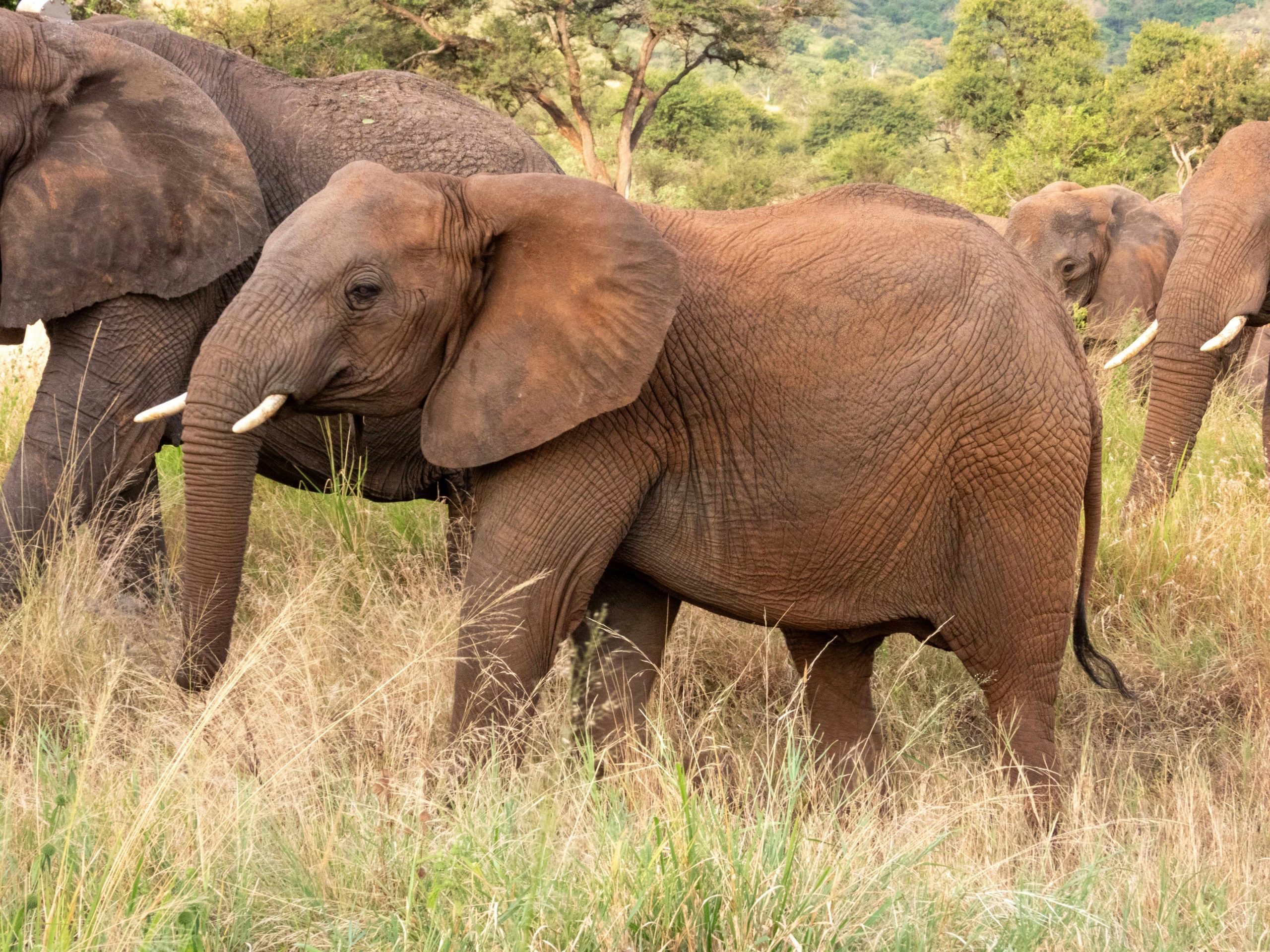
The African elephant is the largest land mammal on Earth, known for its intelligence, memory, and complex social structures. Elephants typically live in matriarch‑led family herds, communicating through a mix of vocalizations, touch, and even low‑frequency sounds.
Where to see elephants:
- Chobe National Park, Botswana – Famous for some of Africa’s biggest elephant concentrations, especially along the Chobe River in the dry season.
- Etosha National Park, Namibia – Waterholes scattered across the park attract large elephant herds, providing excellent viewing from vehicles and camps.
- Queen Elizabeth & Murchison Falls National Parks, top Uganda Uganda spots – Strong elephant populations with excellent riverfront and savannah sightings.
Elephants are especially visible near rivers and waterholes during the dry months, when boat safaris and waterhole‑focused game drives are particularly rewarding.
4. Rhinoceros (Black and White)
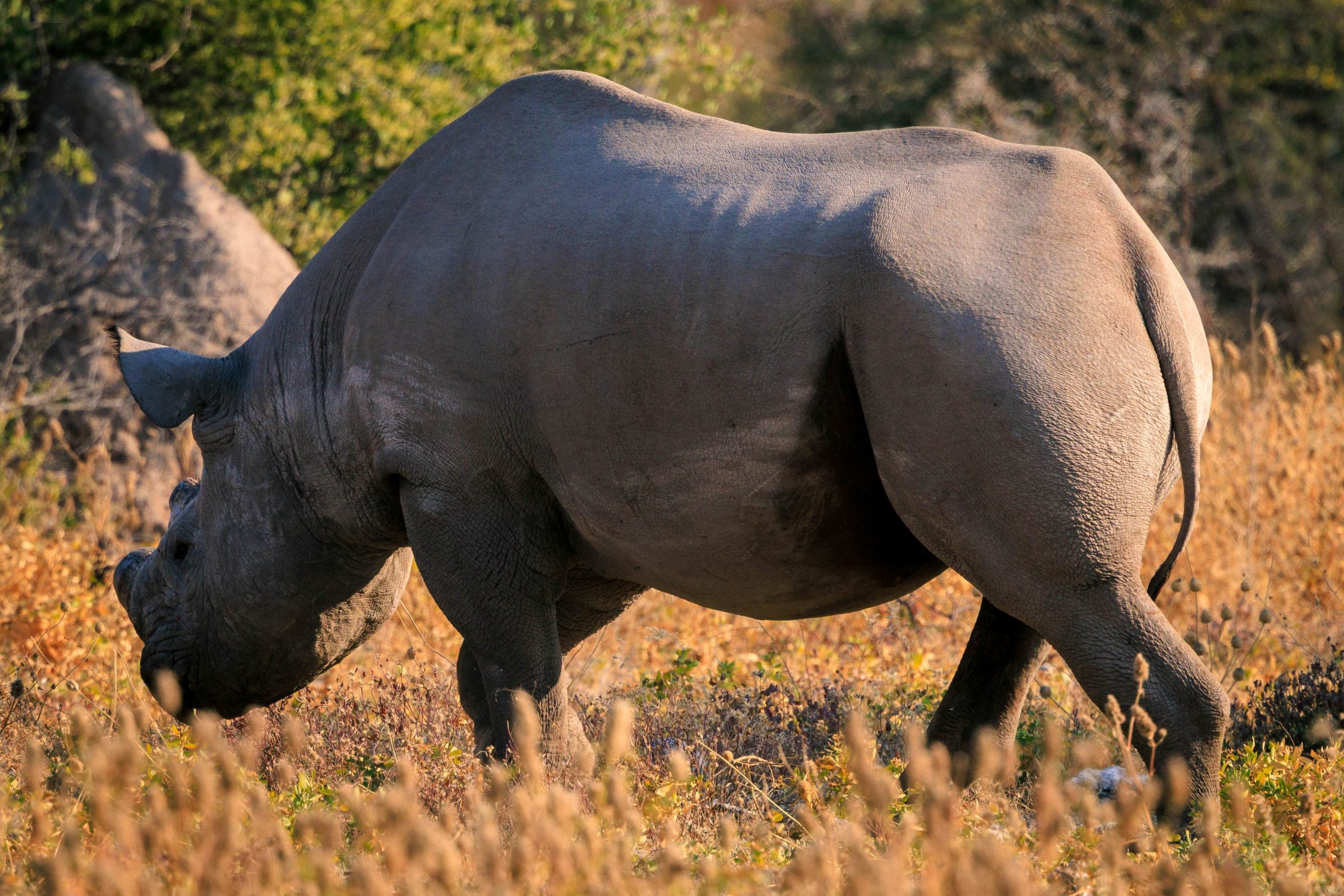
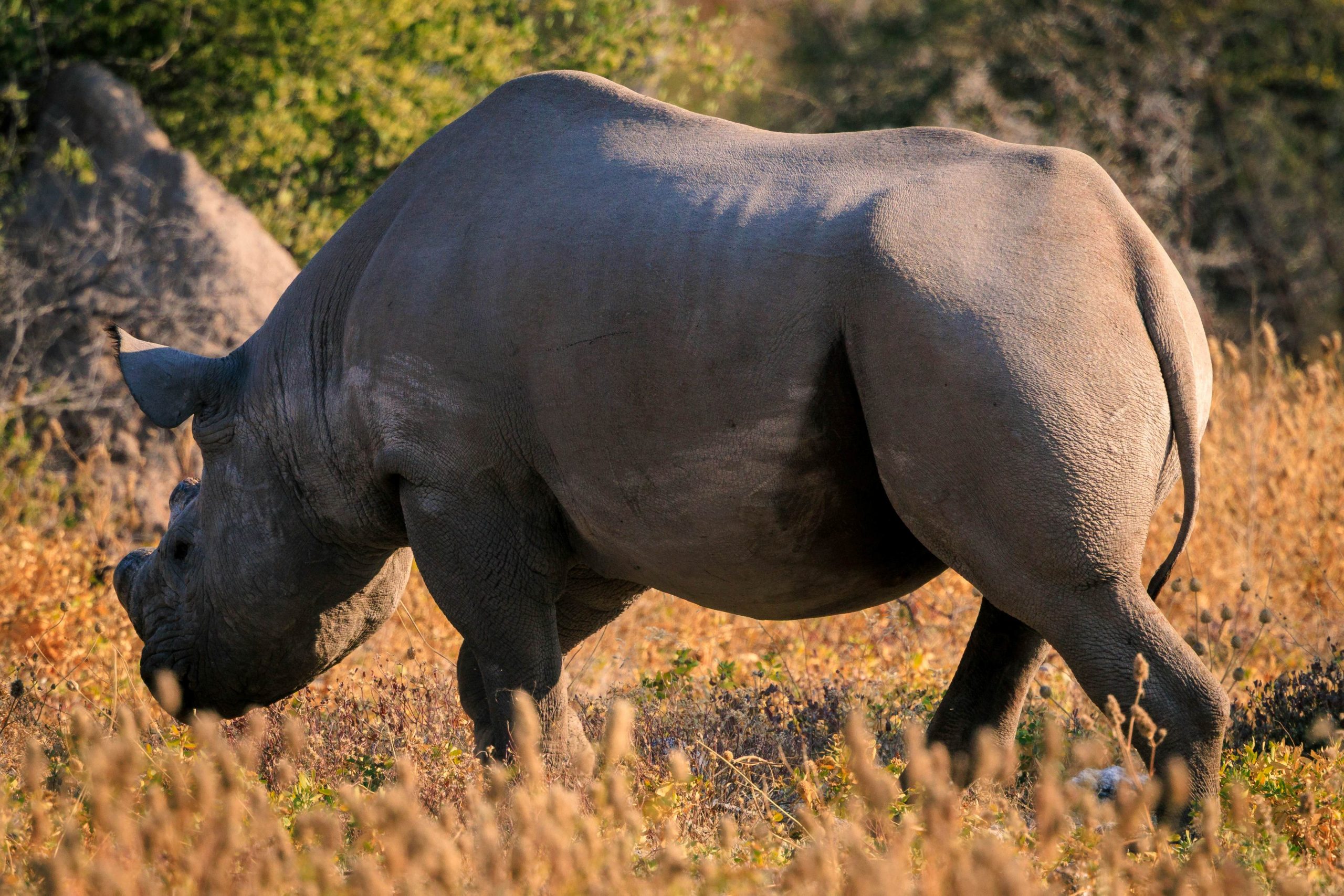
Rhinos are heavy, thick‑skinned herbivores characterized by one or two prominent horns and a surprisingly fast, powerful charge. Both black and white rhinos have suffered severe declines because of poaching, but focused protection and reintroduction efforts have helped stabilize some populations. In Akagera, we can spot the big five as well.
Top places to see rhinos:
- Etosha National Park, Namibia – Waterholes and remote plains provide opportunities to see both black and white rhinos in protected habitat.
- Ngorongoro Crater, Tanzania – Critically endangered black rhinos can sometimes be seen grazing on the crater floor and slopes.
- Murchison Falls National Park plus Ziwa Rhino Sanctuary, Uganda – A classic combination where rhino tracking at Ziwa complements Big Five game drives in Murchison Falls.
Because rhino numbers remain low in most ecosystems, sightings are never guaranteed and often require early‑morning drives or dedicated rhino‑tracking experiences. For more details on how rhino tracking fits into broader safari plans, see Agasaro Safaris’ Murchison Falls safari guide.
5. Cape Buffalo (Syncerus caffer)
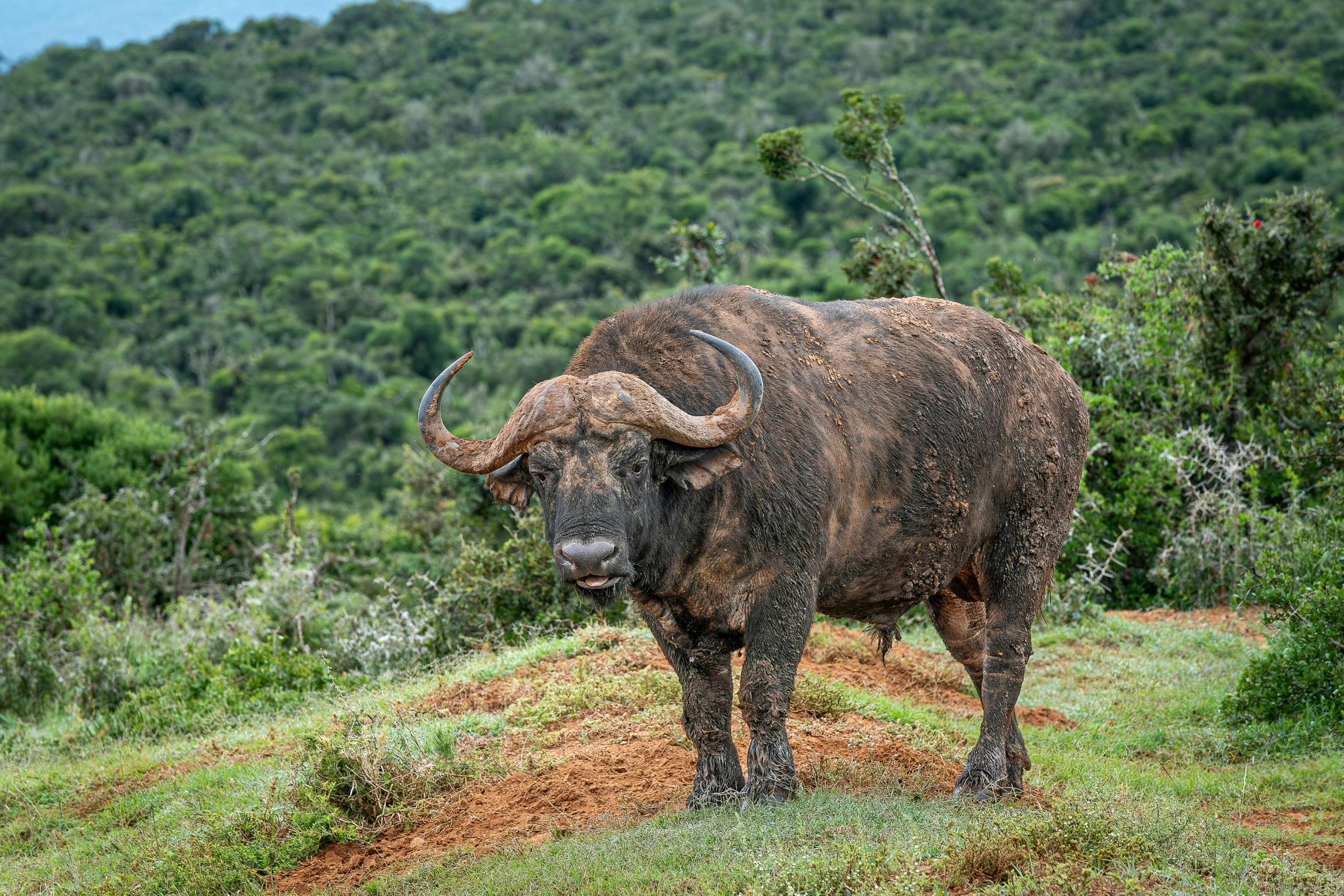
The Cape buffalo is a robust, unpredictable bovine that often moves in large herds and is known for its defensive behavior when threatened. Buffalo are highly social, forming strong herd bonds and spending much of their time grazing in open grasslands and resting near water.
Where buffalo roam:
- Kruger National Park, South Africa – Home to some of the largest buffalo herds on the continent, often seen alongside elephants and lions.
- Ngorongoro Crater, Tanzania – Healthy buffalo populations make them some of the most frequently spotted large herbivores in the crater.
- Murchison Falls National Park, Uganda – Buffalo are commonly seen on riverfront plains and mixed with other Big Five species on game drives.
Because of their herd behavior and preference for open habitat, buffalo are generally among the easiest of the Big Five to see on safari.
Big Five Destinations Across Africa
Southern Africa is widely known for classic Big Five safaris, but East Africa offers equally impressive opportunities.
Southern Africa highlights:
- Kruger National Park (South Africa) – Extensive road network, varied habitats, and excellent chances of seeing all Big Five on a single trip.
- Sabi Sand Game Reserve (South Africa) – Renowned for close‑up leopard sightings and high‑quality lodge experiences.
- Chobe National Park (Botswana) – Outstanding elephant concentrations and diverse big‑game viewing along the Chobe River.
- Etosha National Park (Namibia) – Unique salt‑pan landscapes with waterhole‑centered game viewing, including elephants, lions, and rhinos.
East Africa highlights:
- Ngorongoro Crater, Tanzania – A natural caldera with dense wildlife and one of the best single‑destination chances to see all the Big Five.
- Murchison Falls National Park, Uganda – Iconic Nile scenery, strong populations of lions, elephants, and buffalo, and easy access to rhinos via Ziwa Sanctuary.
- Queen Elizabeth National Park, Uganda – Tree‑climbing lions, large elephant herds, and rich birdlife.
- Akagera National Park, Rwanda – Rwanda’s only savannah park, now with growing black rhino populations and full Big Five status.
For cross‑border itineraries that combine Big Five parks in countries like Uganda, Tanzania, Rwanda, and southern Africa, see “How to Plan a Multi‑Country Safari in East Africa” on the Agasaro Safaris blog.
Conservation Challenges Facing the Big Five
Despite protection, the Big Five face several ongoing threats:
- Habitat loss and fragmentation driven by agriculture and urban expansion
- Poaching, especially for elephant ivory and rhino horn
- Human–wildlife conflict where communities live close to park boundaries
Protected areas, anti‑poaching units, and community‑based conservation programs are central to safeguarding these species long-term. Booking with responsible operators such as Agasaro Safaris helps ensure a portion of your travel spend supports conservation initiatives and community projects in the destinations you visit.
Best Safari Tips for Big Five Sightings
Timing, itinerary design, and guiding quality make a big difference to your Big Five success.
1. Choose the right season
In many Big Five destinations, the dry months (often June to October) offer the best visibility because wildlife concentrates at waterholes and vegetation is thinner. This is especially important in parks like Kruger, Chobe, and Uganda’s savannah reserves.
2. Prioritize morning and evening drives
Most large animals and predators are more active during cooler hours, making early‑morning and late‑afternoon drives your best bet for sightings. Midday heat often pushes animals into shade where they can be harder to see.
3. Travel with experienced guides
Skilled guides and trackers know animal behavior, recent sightings, and subtle signs like tracks and alarm calls, greatly increasing your chances with elusive animals such as leopards and rhinos. This expertise is a key reason to book guided safaris rather than self‑drive only in complex parks.
4. Plan multi‑park itineraries
Combining different parks and ecosystems boosts diversity and spreads your Big Five chances across multiple habitats. In East Africa, for example, you can link Ngorongoro Crater with Uganda’s Murchison Falls and Queen Elizabeth, or pair southern‑Africa favorites like Kruger with Chobe or Etosha.
5. Consider combination safaris
Blending Big Five safaris with gorilla or chimpanzee trekking, cultural experiences, or beach time adds more depth to your trip. For example, Agasaro Safaris offers mixed wildlife and primate itineraries in Uganda that combine Big Five game drives with gorilla and chimp trekking.
For trip ideas that mix Big Five parks with coastal extensions, see Agasaro Safaris’ “Southern Africa safari: 5 Best Safari & Beach Itineraries” and similar destination‑specific guides on their blog.
Frequently Asked Questions About the Big Five
What are the Big Five animals?
The Big Five are the African lion, leopard, African elephant, rhinoceros, and Cape buffalo, originally defined by big‑game hunters and now celebrated as safari icons.
Which park offers the best chance to see all the Big Five?
Ngorongoro Crater in Tanzania is one of the most reliable places to see all five species on a single trip because of its high wildlife density within a relatively small, enclosed ecosystem.
Are rhino sightings guaranteed?
No, rhinos occur at lower densities than other Big Five members, so sightings can never be guaranteed. However, parks like Etosha, Ngorongoro, Akagera, and Murchison Falls, combined with Ziwa Rhino Sanctuary, provide some of the best opportunities.
Can I see the Big Five and gorillas on the same safari?
Yes, Uganda is particularly well suited for this, with Big Five experiences in parks like Murchison Falls and Queen Elizabeth, plus gorilla trekking in Bwindi or Mgahinga. Agasaro Safaris features sample itineraries such as a 7‑Day Uganda Big 5, Gorillas & Chimps Safari that combine both styles of experience.
What time of day are Big Five animals most active?
Most Big Five animals are most active in the early morning and late afternoon to early evening, when temperatures are cooler, and predators tend to hunt.
Conclusion and Next Steps
The Big Five animals—lion, leopard, African elephant, rhinoceros, and Cape buffalo—remain central to Africa’s most memorable safari experiences from southern Africa to East Africa. By choosing the right parks, seasons, and guides, you can enjoy ethical, conservation‑minded encounters with these species while helping protect them for future generations.
For detailed, destination‑specific planning, explore these Agasaro Safaris resources:
- Where to See the Big Five in Southern Africa
- Where to See the Big Five in Uganda
- Ngorongoro Crater Big Five Safari Guide
- Murchison Falls Safari Guide
- Akagera Safari: Black Rhino & Big Five in Rwanda
- How to Plan a Multi‑Country Safari in East Africa
Ready to Explore the Big Five of Africa- Inquire with us now