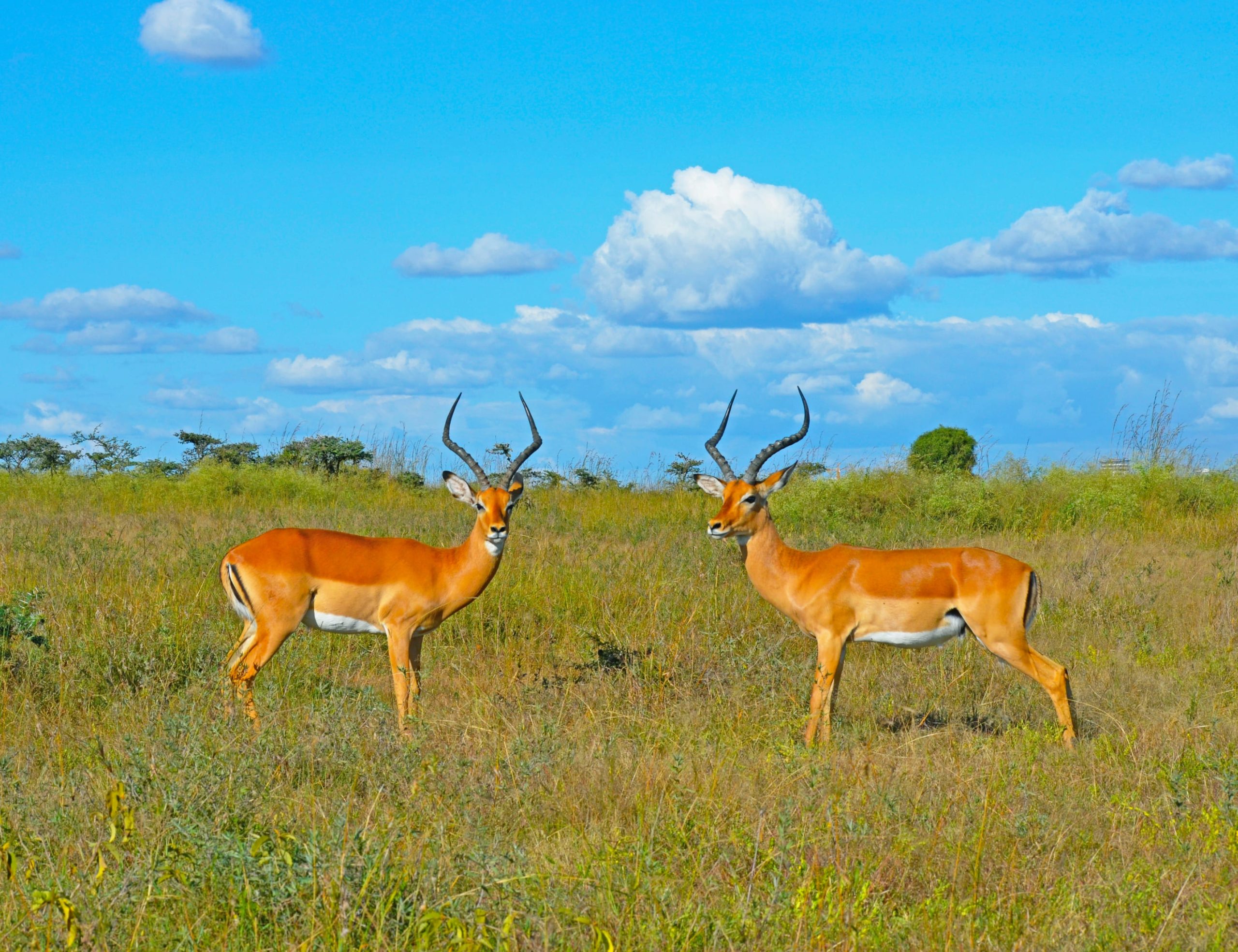
Top Kenya National Parks Guide: Best Safaris, Big Cats & Wildlife 2026: Plan your Kenya safari with this complete guide to national parks, the Great Migration, big cats, birding, and top activities.
Table of Contents
Introduction: The Classic Safari Kingdom in 2026
Kenya in 2026 remains the defining safari country. From the thunder of wildebeest crossings in the Maasai Mara to the Kilimanjaro-framed elephant herds in Amboseli and the pink clouds over Nakuru, Kenya’s parks deliver the quintessential safari experience with Agasaro Safaris.
Recent infrastructure and policy updates mean smoother transfers and clearer booking rules for guests in 2026. This guide provides practical logistics, insider secrets, and park-by-park details so you can plan with confidence.
In this comprehensive Kenya national parks guide, you will discover:
• The parks and conservancies to know
• Where and when to see the Migration and big cats
• Best parks for birding and landscape photography
• Practical planning, fees, and permit notes for 2026
• Sample itineraries and packing hacks
Let us dive in.
What Are the National Parks and Reserves in Kenya?
Kenya has more than 20 national parks, reserves, and conservancies administered by the Kenya Wildlife Service and local conservancy partners. They protect savannah, highland forest, wetlands, lakes, and desert ecosystems, making Kenya and the coast one of Africa’s most complete safari mosaics. Recent fee and access regulations rolled out by KWS and local conservancies are intended to support conservation and improve visitor experience.
Get also to see the Great East African Rift valley in Kenya as well.
Related Blog Post Reading: Best Kenya Parks by Month — 2025/26
Which Park is Right for You? (2026 snapshot)
| Park | Primary Draw | Best For… | 2026 and beyond Vibe |
| Maasai Mara | Great Migration and big cats | Classic safari fans | Epic, high drama, photographic |
| Amboseli | Kilimanjaro and large elephants | Landscape and elephant lovers | Iconic, wide vistas |
| Tsavo East & West | Remote big game and landscapes | Adventure seekers | Raw, vast, uncrowded |
| Samburu | Dry country specials | Specialist species watchers | Arid, rugged, unique |
| Lake Nakuru | Flamingos and rhinos | Birders and families | Vibrant, accessible, lush |
The Major Parks and Conservancies
• Maasai Mara National Reserve and surrounding conservancies
• Amboseli National Park
• Tsavo East and Tsavo West National Parks
• Samburu National Reserve and Buffalo Springs
• Lake Nakuru National Park
• Aberdare Range and Mount Kenya National Park
• Laikipia and private conservancies such as Ol Pejeta and Lewa
• Hell’s Gate and Lake Naivasha areas
What Wildlife Can You See in Kenya?
Kenya hosts big cat populations, huge elephant herds, black rhino sanctuaries, and superb birdlife. Highlights include the Great Migration in the Mara, Kilimanjaro-framed elephant herds in Amboseli, specialist dry country species in Samburu such as Grevy’s zebra and gerenuk, and millions of flamingos at Lake Nakuru during favorable water seasons.
Top Kenya National Parks Guide
Maasai Mara National Reserve: Migration and Predator Theatre
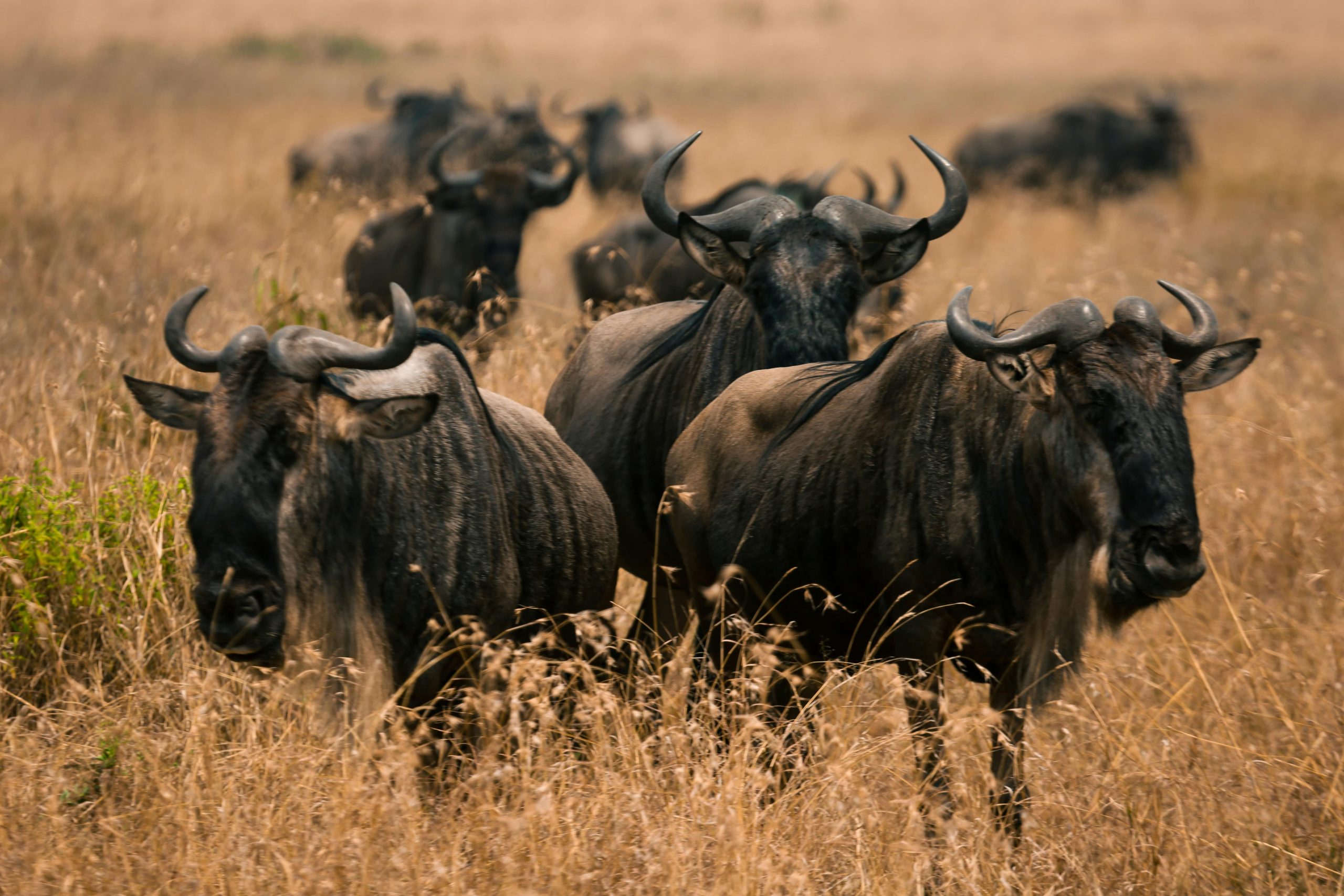
The Mara is Kenya’s crown jewel. Emerald Season” (April–June)—it’s cheaper, great for birding, and the lighting is better for photography, even if the grass is longer. Conservancies around the Mara offer lower vehicle density and private guiding access. Many operators now recommend matching camp location to the conservancy sector for faster access to crossings. Recent conservancy and park management efforts are improving facilities and runway maintenance for charter flights into multiple Mara airstrips.
Why visit the Maasai Mara
• Full-day game drives and balloon safaris at dawn
• High-density predator sightings and river crossing theatre
• Strong cultural visits and community conservancy programs
Insider secret
Book a camp inside the conservancy that lines up with your planned crossing zone. Conservancy boundaries matter for dawn transfers and avoiding long dusty transfers.
“In our 2025 expeditions, we found the best cheetah sightings near the Talek River—look for the ‘Five Brothers’ coalition if they’re still together.”
2026 must-do
Reserve a conservancy camp or a migration mobile camp well in advance to secure ringside seats for river crossings. Conservancy fees and vehicle rules vary by conservancy; check the specific conservancy rate when booking.
Amboseli National Park: Kilimanjaro and Elephant Giants
Amboseli: Walking with the Big Tuskers.
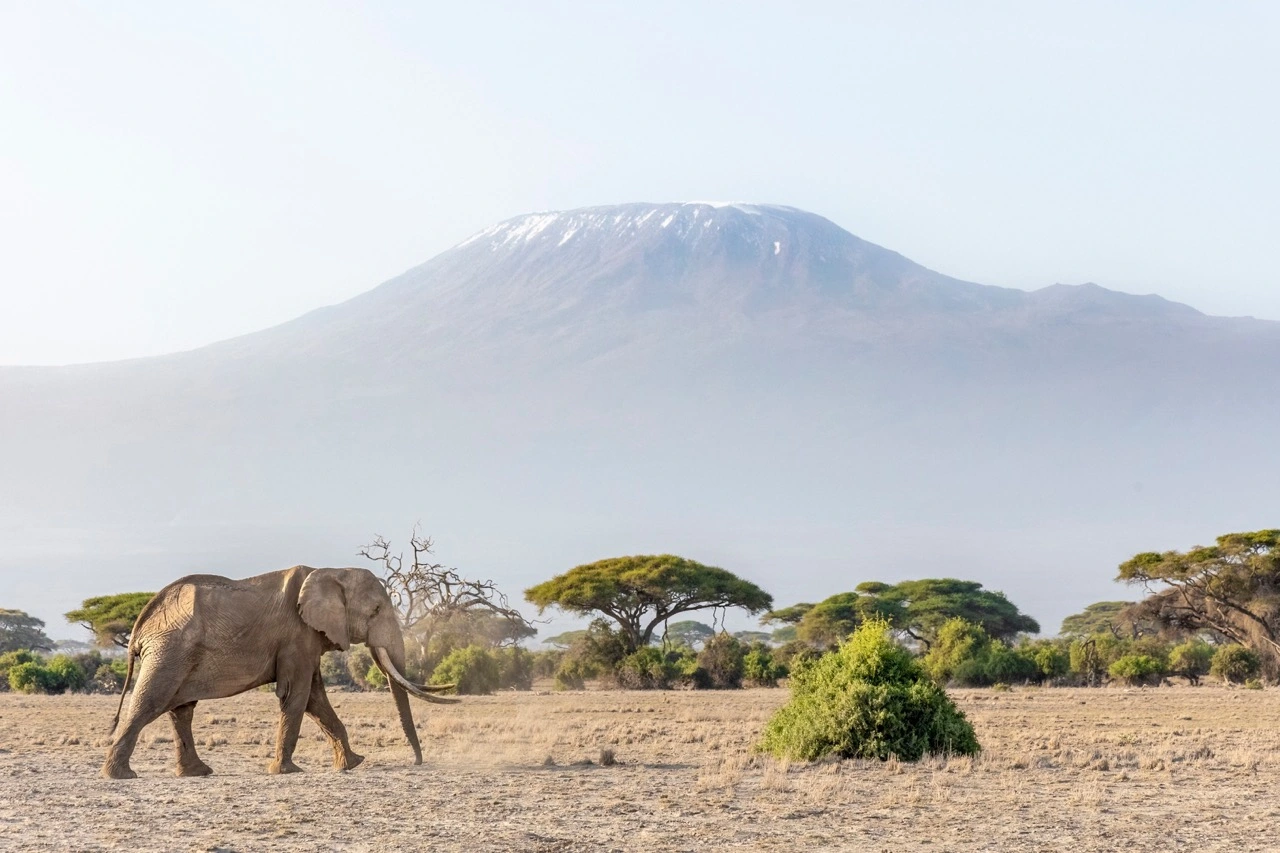
There is nothing quite like the silence of an Amboseli morning before the clouds cover Kilimanjaro’s peak.
Our tip: Head to the Enkongo Narok swamp by 7:00 AM. In 2025, we consistently saw the ‘Big Tuskers’ here. While many guides rush to the lions, we recommend sitting with a matriarch-led herd for an hour; you’ll see social behaviors—calves playing, trunk-touching—that most tourists miss in their hurry.”
What to expect
• Large matriarch-led elephant herds
• Excellent birding and marsh habitats
• Short flights from Nairobi make Amboseli an easy first stop
Insider tip
Combine Amboseli with Laikipia or Samburu to mix landscapes and specialist species.
Tsavo East and Tsavo West: Size and Solitude
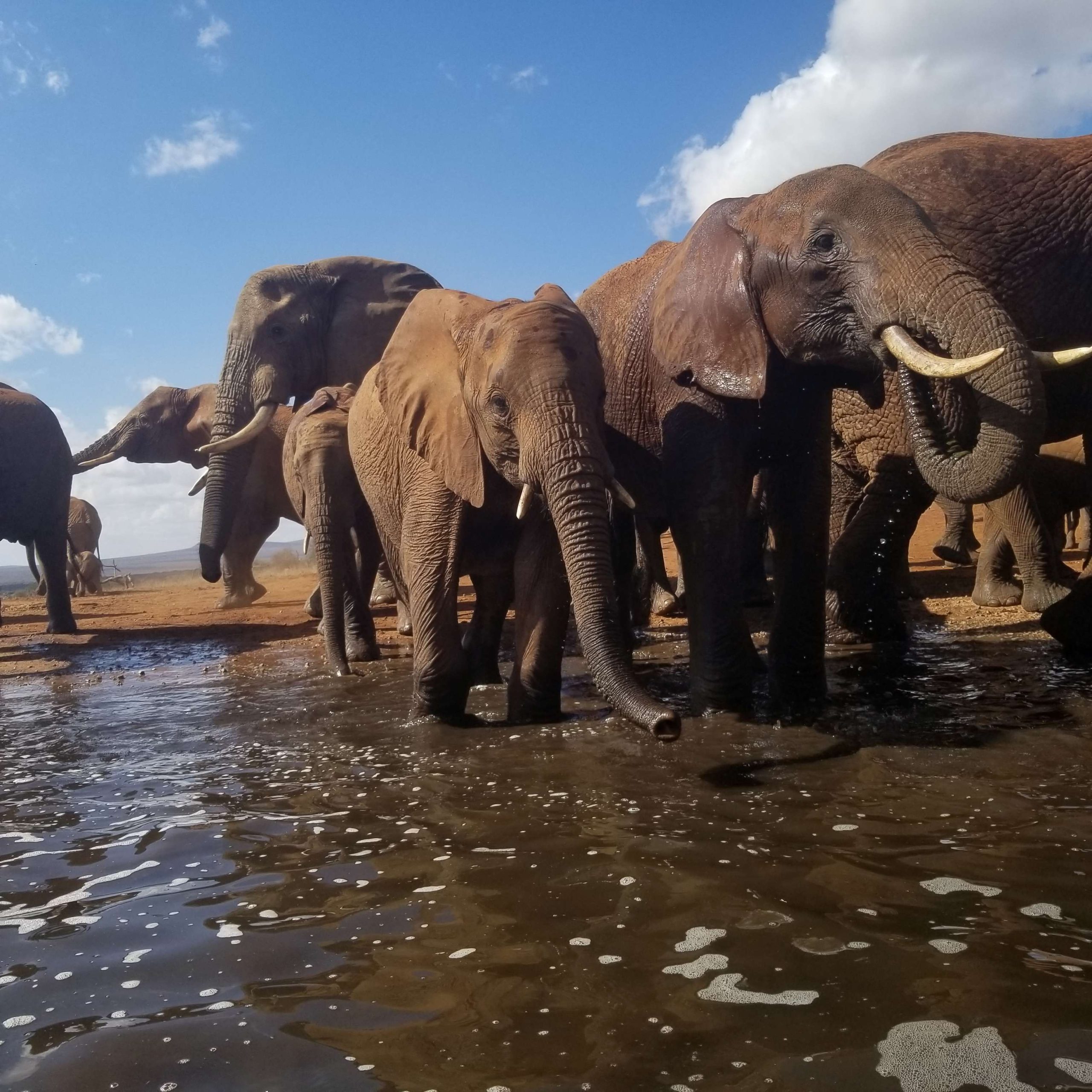
Tsavo is one of the largest protected areas in East Africa. Expect red dust, sweeping plains, and fewer visitors. Tsavo West features Mzima Springs and scenic lava flows; Tsavo East delivers big herds and remote wilderness.
Honesty Tip
“Tsavo is vast; you might drive for 4 hours and see only two elephants. If you want high-density sightings in a short time, choose the Mara instead.”
2026 road update
Improved corridor projects and the evolving Nairobi-Mombasa highway and feeder corridors are progressively cutting travel times to the Tsavo areas. For remote camps, consider flying into local airstrips to maximize wildlife time.
Samburu National Reserve: Northern Specialties
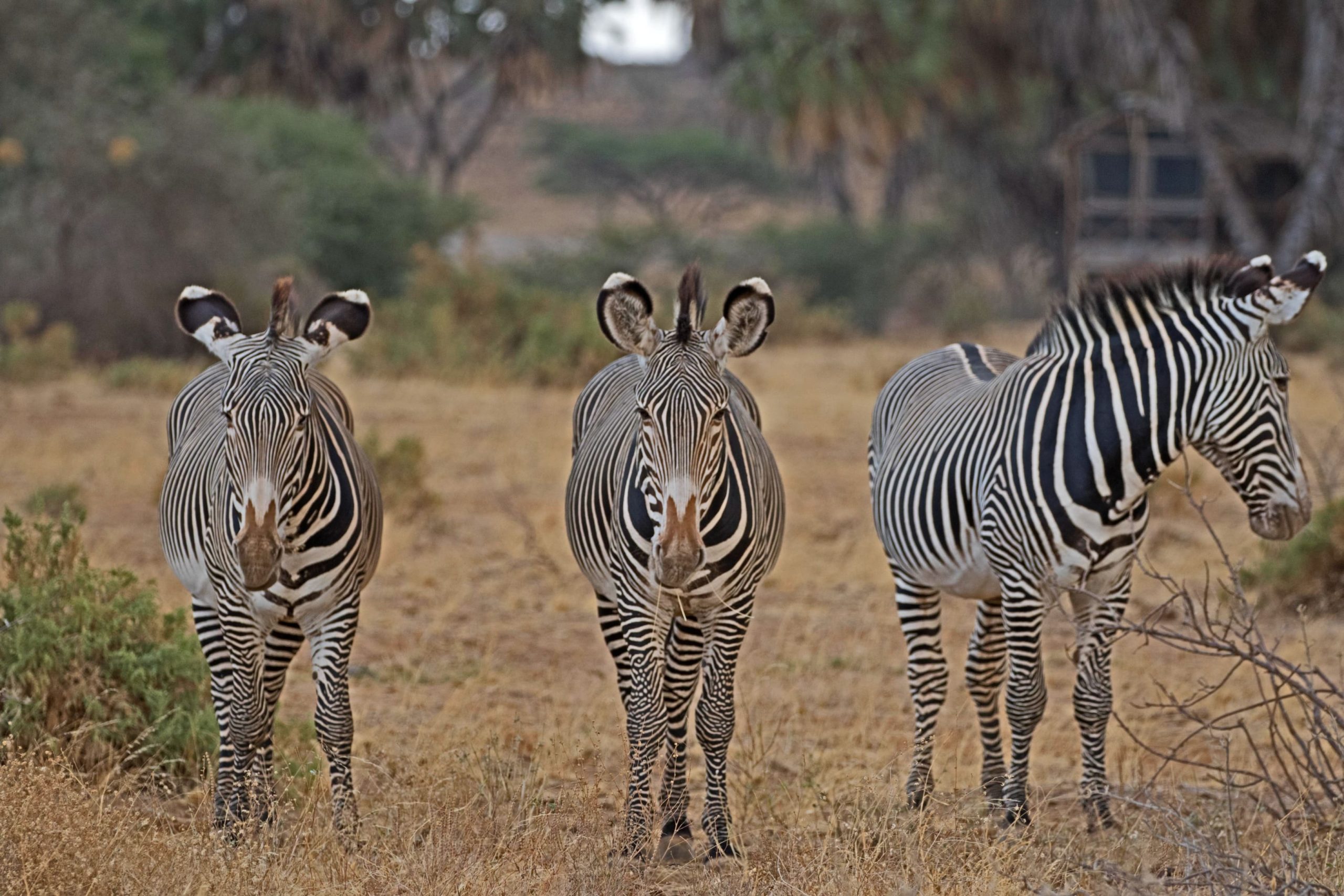
Samburu hosts dry country specialists such as Grevy’s zebra, reticulated giraffe, gerenuk, and Somali ostrich. Riverine habitats keep wildlife concentrated and active.
Activities
• Riverbank game drives and birding
• Cultural visits and camel treks
• Night drives in selected conservancies
Lake Nakuru National Park: Flamingos and Rhinos
Lake Nakuru features pink flamingo flocks when conditions are right, black rhino populations, and good family-friendly infrastructure for day trips from Nairobi.
Beyond National Parks: Conservancies and Private Reserves
Laikipia, Ol Pejeta, Lewa, Naboisho, and other conservancies offer walking safaris, rhino safaris, and low vehicle counts. Conservancies have their own fee structures that fund community programs. Expect to encounter different fee levels depending on the conservancy. Research each conservancy’s fee and vehicle limit policy when booking.
What to Expect on a Kenya Safari
Best Time to Visit
• Migration and peak predator action: July to October.
• Birding and fewer crowds: March to May and November to December.
• Dry seasons concentrate wildlife and improve road access.
Fees, eTA, and Booking Tips
• All visitors to Kenya must secure an electronic travel authorization before travel. Apply via the official eTA portal. Related Article: Ultimate East Africa Tourist Visa Trusted Guide 2026 (Updated)
• Kenya Wildlife Service updated conservation fee regulations in 2025 and continues to operate an online payment portal for park fees. Check KWS downloads for the most current rate card and payment method.
• Conservancy access is charged separately from KWS park fees. Conservancy fees vary widely by area and camp; ask your operator for the exact total.
• For top Mara conservancy camps and fly-in seats, book 4 to 6 months ahead for peak season.
Sample Itineraries
4 Day Fly-in Masaai Mara Safari
• Day 1: Fly from Nairobi to Maasai Mara, afternoon game drive.
• Day 2: Full-day migration chase with dawn and dusk drives.
• Day 3: Optional balloon, morning game drive, and fly back the next day
7 Day Classic Kenya
• Day 1: Arrive in Nairobi, transfer to Amboseli.
• Day 2: Amboseli morning and afternoon activities.
• Day 3: Fly to Samburu, afternoon game drive.
• Day 4: Samburu full day.
• Day 5: Fly to Maasai Mara.
• Day 6: Full Mara day.
• Day 7: Return to Nairobi.
Connectivity and Tech
• Kenya uses Type G plugs in many lodges; carry an adapter.
• Safaricom offers the widest mobile coverage; eSim options such as Airalo work for short-term data. Expect gaps in remote conservancies.
• Many camps run on solar schedules; bring power banks and spare batteries.
The Masterpiece Packing List (Expert Gear Hacks)
- Dust-proof camera cover and lens cloth for the Mara red soil.
- Buff or neck gaiter for dust and sun protection.
- Collapsible water bottle plus refillable bottle for park and conservancy rules.
- Lightweight neutral clothing, comfortable walking shoes, and a waterproof jacket for the green season.
- Binoculars, telephoto lens, spare cards, and batteries.
- Basic first aid, insect repellent, and any personal medicines.
Related Blog: What Should I Pack for an East African Safari?
Frequently Asked Questions
Can I see the Great Migration in Kenya?
Yes. The Maasai Mara is the premier migration destination from July to October, with river crossings and intense predator activity.
Is Kenya safe for safaris?
Safaris with licensed operators are very safe. Use registered guides, follow park rules, and avoid night travel outside urban centres.
How far in advance should I book?
For premium Mara camps and migration windows, reserve 4 to 6 months ahead.
What should I pack for a safari in Kenya?
Neutral clothing, sturdy footwear, a rain layer for shoulder months, binoculars, a camera, sun protection, and a good daypack.
Ready to Plan Your Kenya Safari?
Kenya blends Migration drama, iconic landscapes, and special species in one country. For help locking conservancy access, securing the best camps, and creating an optimized 2026 route, contact Agasaro Safaris. We handle eTA guidance, park fee payments, and conservancy bookings so your trip runs without surprises.