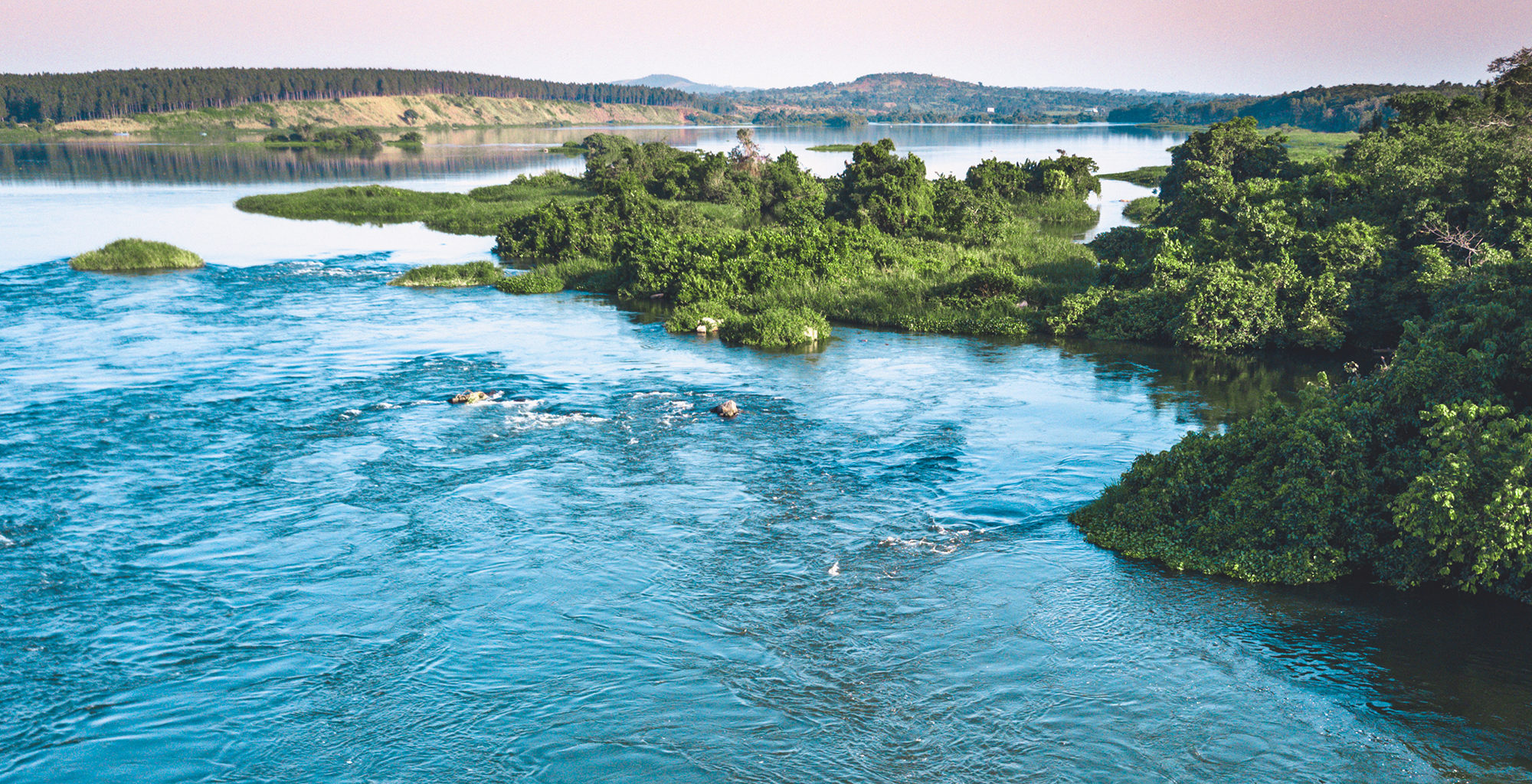
Explore the largest lakes in Africa with a safari-focused guide to Lake Victoria, Tanganyika, Malawi, and beyond. Discover wildlife, travel experiences, and how to include them in your perfect African safari itinerary with Agasaro safaris.
Table of Contents
Introduction
Africa’s largest lakes are not just geographic features. They are living ecosystems, wildlife magnets, cultural lifelines, and some of the most underrated safari experiences on the continent.
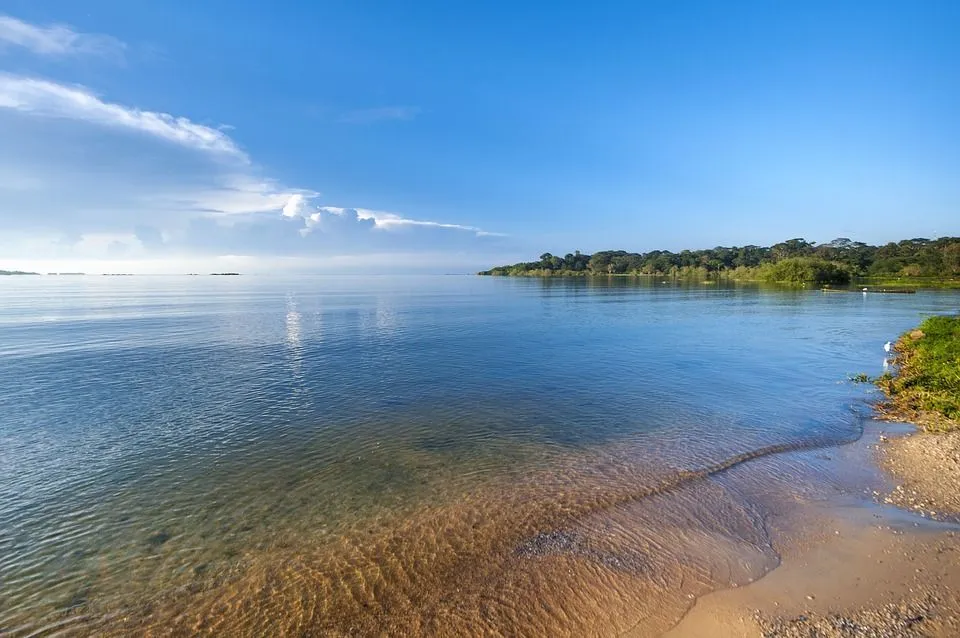
Largest Lakes in Africa: Why These Waters Define the Ultimate Safari Experience
From the vast inland sea of Lake Victoria to the dramatic depths of Lake Tanganyika, these lakes shape entire landscapes, influence wildlife movements, and create unforgettable travel moments that go far beyond traditional game drives.
If you are planning a safari and want something richer, more immersive, and truly unique, understanding Africa’s largest lakes is essential. This guide is built to give you exactly that, with clarity, depth, and real travel value.
What Are the Largest Lakes in Africa? (Quick Overview for Travelers)
When travelers search for the largest lakes in Africa, they are usually looking for more than just size. They want to know where to go, what to expect, and how it fits into a safari.
Here is a practical breakdown of Africa’s largest lakes by surface area:
Comparison Table for the Top 9 Largest Lakes in Africa
| Lake | Countries | Approx Size | Travel Value |
| Lake Victoria | Uganda, Kenya, Tanzania | 68,800 km² | Birding, islands, culture, safari gateway |
| Lake Tanganyika | Tanzania, DRC, Burundi, Zambia | 32,900 km² | Deep water, scenery, remote lodges |
| Lake Malawi | Malawi, Mozambique, Tanzania | 29,600 km² | Beaches, islands, relaxation |
| Lake Turkana | Kenya, Ethiopia | 6,405 km² | Raw adventure, desert landscapes |
| Lake Albert | Uganda, DRC | 5,300 km² | Rift Valley wildlife, fishing culture |
| Lake Mweru | Zambia, DRC | 5,120 km² | Quiet, off-the-grid travel |
| Lake Tana | Ethiopia | 3,673 km² | Historic monasteries, Nile source |
| Lake Kivu | Rwanda, DRC | 2,700 km² | Scenic escapes, volcano views |
| Lake Edward | Uganda, DRC | 2,325 km² | Safari ecosystems, birdlife |
Pro-Insight
These lakes are part of the Great Rift Valley system, one of the most important geological and ecological regions in the world.
Which Is the Largest Lake in Africa?
Lake Victoria is the largest lake in Africa and the second-largest freshwater lake in the world by surface area.
But what makes it truly powerful is not just its size. It is its role in East Africa’s travel ecosystem.
For safari travelers, Lake Victoria acts as a natural gateway. It connects easily with Uganda’s wildlife circuits, Kenya’s safari routes, and Tanzania’s northern parks.
Why Lake Victoria matters for your safari:
- Easy access from Entebbe and regional hubs
- Rich birdlife, including fish eagles and kingfishers
- Island experiences and cultural encounters
- Perfect add-on before or after gorilla trekking or savannah safaris
Which Is the Deepest Lake in Africa?
Lake Tanganyika is the deepest lake in Africa and one of the deepest in the world.
Its depth creates a completely different travel experience from that of Lake Victoria. The lake feels more like an ocean, with dramatic drop-offs, crystal-clear water, and remote shorelines.
Why travelers love Lake Tanganyika:
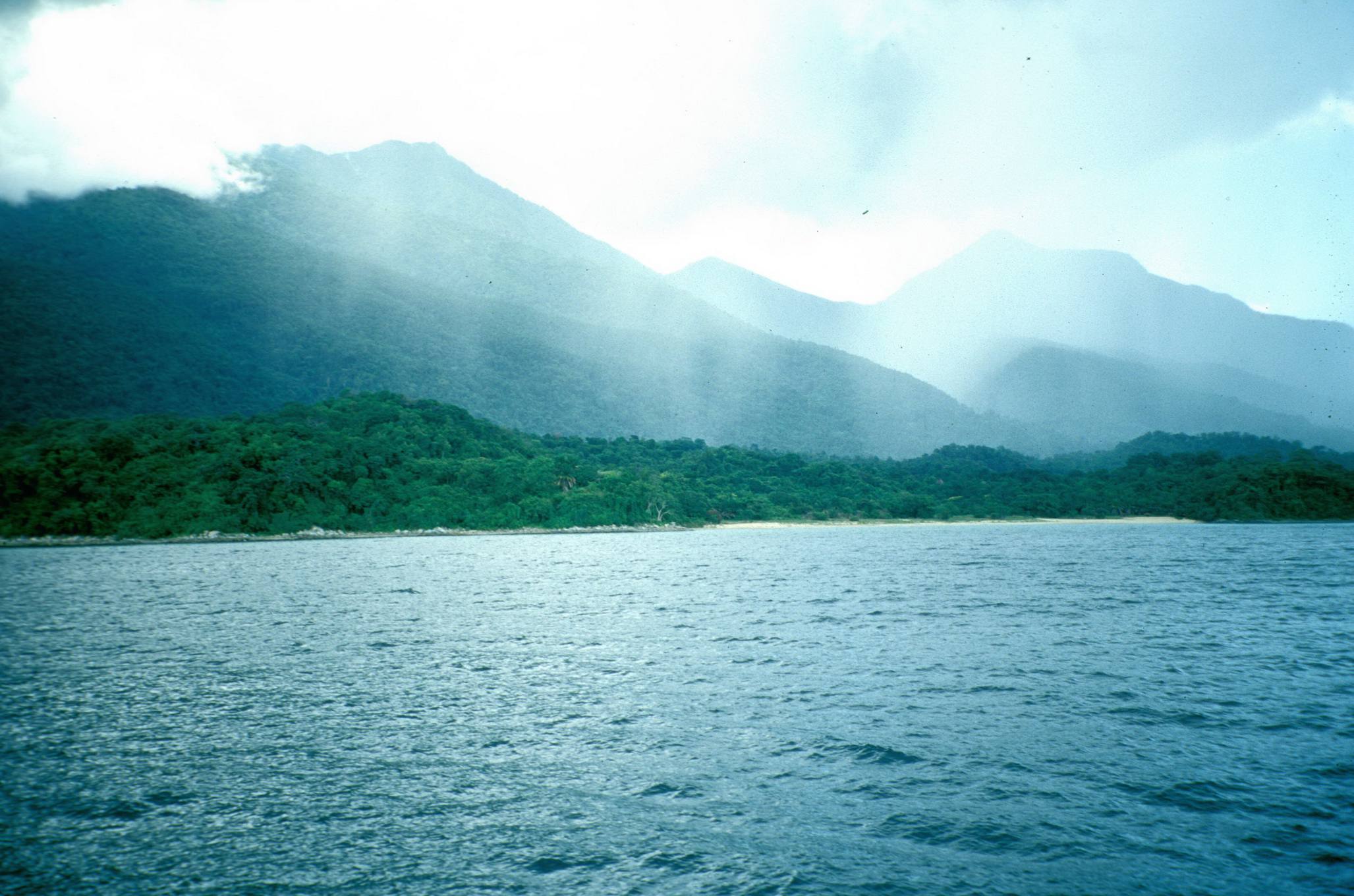
- Exclusive and uncrowded destinations
- Incredible photography landscapes
- Access to chimpanzee trekking regions
- Unique freshwater biodiversity
If you are targeting high-end or experiential safari clients, this is a strong point of positioning.
Which African Lake Is Best for Safari Travelers?
This depends on the type of safari experience you want.
Best lakes based on travel intent:
For classic safari integration:
Lake Victoria
For luxury and exclusivity:
Lake Tanganyika
For relaxation and beach-style safari endings:
Lake Malawi
For adventure and exploration:
Lake Turkana
For wildlife ecosystems within parks:
Lake Edward and Lake Albert
The smartest safari itineraries combine at least one lake with a national park, creating a more dynamic and memorable journey.
Why Are Africa’s Largest Lakes Important for Wildlife and Safaris?
Africa’s lakes are biodiversity hotspots. They support ecosystems that are critical to both wildlife and human survival.
What makes them essential?
- Permanent water sources for wildlife
- Breeding grounds for fish and bird species
- Migration corridors for animals
- Wetlands that support rare species
- Cultural and economic lifelines for local communities
In safari terms, this translates into richer experiences.
You are not just watching animals. You are seeing entire ecosystems in motion.
Top Safari Experiences around Africa’s Largest Lakes
Lake Victoria: The Ultimate Safari Gateway
Lake Victoria offers one of the most balanced travel experiences in Africa.
You can combine:
- Boat safaris
- Birdwatching excursions
- Island visits
- Cultural experiences
It pairs perfectly with Uganda safaris. If structured well, it can increase both the perceived value and emotional impact of your itinerary.
Explore related safari experiences:
https://blog.agasarosafaris.com/
Lake Tanganyika: Raw Beauty and Deep Silence
This is where Africa feels untouched.
Expect:
- Remote lodges
- Dramatic horizons
- Minimal crowds
- Authentic wilderness
This is ideal for travelers who want something beyond mainstream safari routes.
Lake Malawi: Africa’s Hidden Beach Paradise
Lake Malawi changes the narrative.
It shows that Africa is not just about savannahs. It also offers:
- White sandy beaches
- Snorkeling and diving
- Island escapes
- Relaxed travel pace
Perfect for ending a long safari.
Lake Turkana: The Wild Frontier
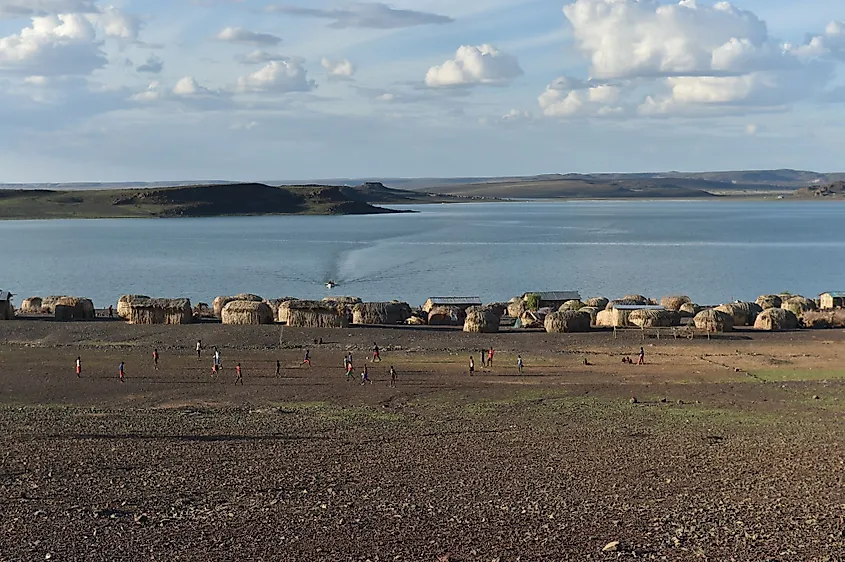
Lake Turkana is not for casual tourists.
It is for:
- Adventure travelers
- Photographers
- Cultural explorers
The landscapes are harsh, beautiful, and unforgettable.
Lake Edward & Lake Albert: Where Wildlife Meets Water
These lakes are deeply tied to safari ecosystems, especially in Uganda.
They support:
- Hippos and crocodiles
- Birdlife in large numbers
- Fishing communities
- Scenic safari routes
They are perfect for integrated safari experiences within national parks.
Best Time to Visit Africa’s Largest Lakes
Timing can shape your experience.
General guideline:
- Dry seasons offer better access and clearer views
- Wet seasons bring lush landscapes and birdlife activity
For East Africa:
- June to September and December to February are strong windows
Always align lake visits with your broader safari plan.
How to Include Africa’s Largest Lakes in Your Safari Itinerary
This is where most travelers make mistakes.
They treat lakes as standalone destinations.
Instead, you should integrate them.
Example structure:
- Start in a city like Entebbe
- Explore Lake Victoria
- Move into a national park
- Add a second ecosystem, like a forest or a savannah
- End with a scenic or relaxing lake stay
This creates flow, diversity, and a stronger emotional impact.
Plan your full safari journey: Inquiries
Conclusion
The difference between a good safari and an unforgettable one is how well it is designed.
At Agasaro Safaris, we craft journeys that combine Africa’s iconic wildlife with its most powerful landscapes, including the great lakes that many travelers overlook.
Start planning your custom safari today:
https://agasarosafaris.com/
Discover more expert travel guides:
https://blog.agasarosafaris.com/
FAQs About the Largest Lakes in Africa
What is the largest lake in Africa?
Lake Victoria is the largest by surface area.
What is the deepest lake in Africa?
Lake Tanganyika is the deepest.
Which lake is best for safari experiences?
Lake Victoria offers the best overall balance for most travelers.
Are Africa’s lakes safe to visit?
Yes, when visited through organized safari operators and guided experiences.
Can you do boat safaris on African lakes?
Yes, many lakes offer boat safaris with wildlife viewing and birdwatching.