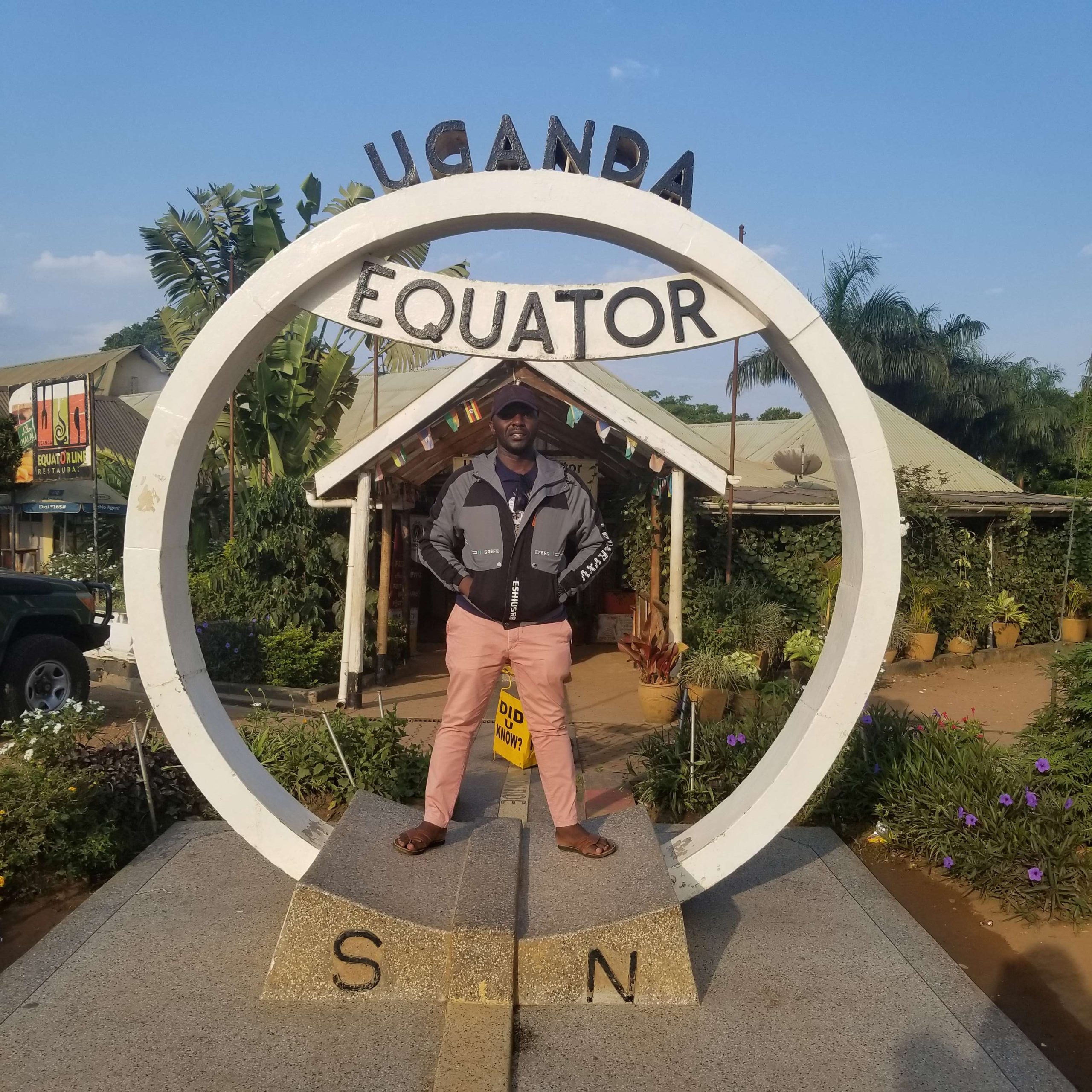
Exploring the Uganda Equator Line: This is a geographical wonder where you can physically stand in both the Northern and Southern Hemispheres. This unique stop reveals surprising stories, scientific curiosities, and glimpses of daily Ugandan life. Use this guide to learn the Equator’s history, explore its sights, discover nearby attractions, and plan a quick visit that adds meaning to your Uganda trip with Agasaro Safaris.
Table of Contents
Introduction
Nestled in the heart of Africa lies a remarkable phenomenon that piques the curiosity of explorers and travelers alike: the Uganda Equator. This unique geographical wonder is not just a line on a map; it represents a convergence of culture, nature, and adventure. Standing at this iconic spot, you can stretch your arms wide and literally straddle the northern and southern hemispheres, while basking in the vibrant beauty of Uganda’s landscapes.
As you embark on this journey, you’ll uncover captivating insights into the local traditions and the rich biodiversity surrounding the equator. From thrilling activities like boat rides on the Nile to discovering the profound cultural significance of this location, your adventure promises unforgettable experiences. Join us as we delve into the heart of Africa’s Uganda Equator and explore the breathtaking marvels that lie within this geographical gem.
Historical significance of the Equator in Uganda
The Equator is an imaginary line at 0 ° latitude. Early explorers mapped parts of Uganda while following rivers and lakes. Famous 19th-century explorers such as John H. Speke and H. M. Stanley crossed regions now inside Uganda as they searched for the Nile’s source and mapped the area. Their journeys helped put Uganda on European maps and boosted later visits by scientists and traders. HistoryWorld
Geographical features of the Uganda Equator
Uganda sits on the Equator, but the line cuts through very different landscapes. In some places, it crosses busy highways and towns. In others, it crosses lakeshore and parkland in the west. The most famous, easiest-to-visit marker is at Kayabwe, along the Kampala–Masaka road about 70–75 km from Kampala. Kayabwe is a neat roadside stop with clear monuments and visitor services.
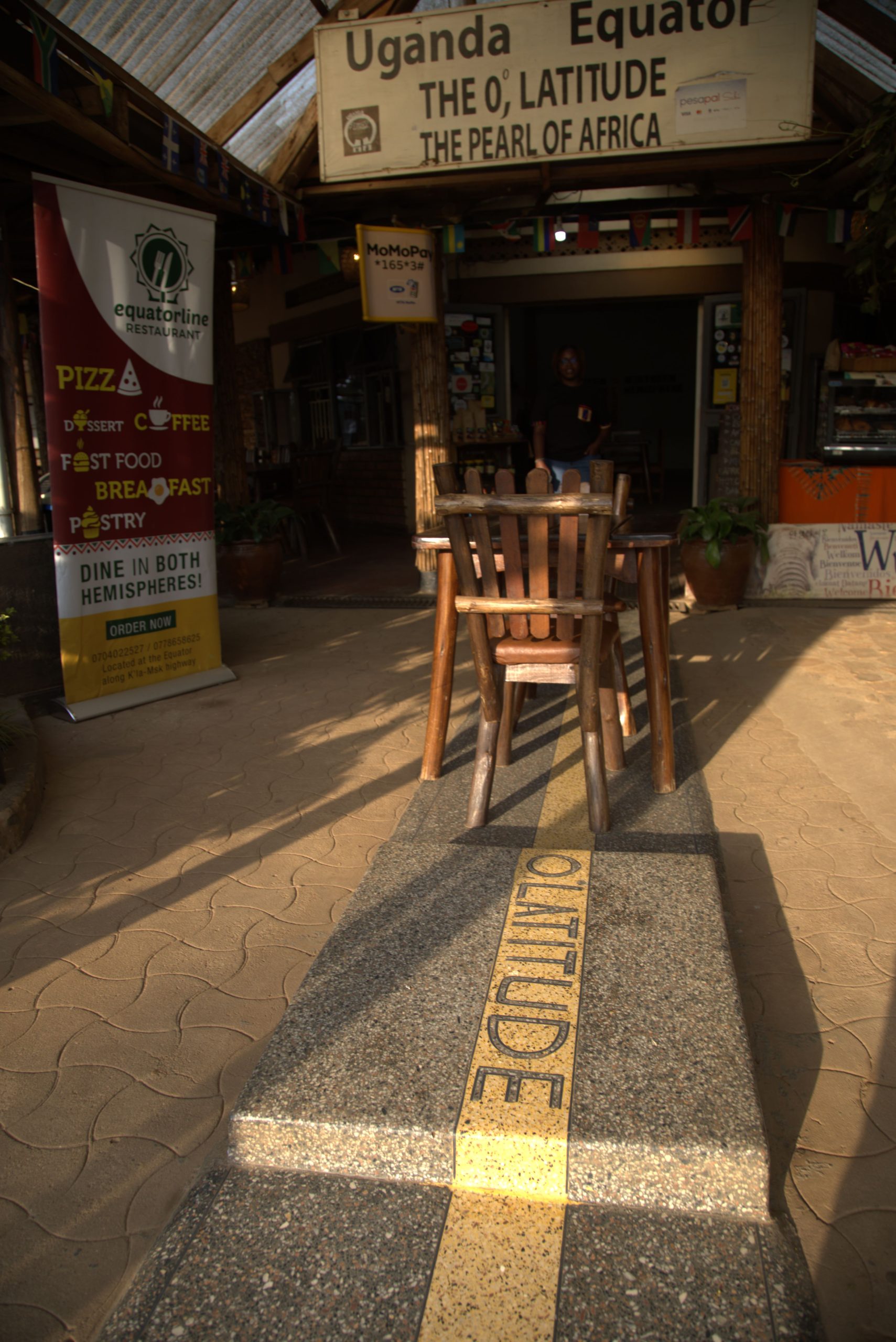
Pro tip: there are other equator markers in Uganda too — near Lake Victoria and in the west around Kasese — so the experience can vary by region.
Cultural impact on local communities
For many local communities, the Equator is a lively attraction, not just a line on a map. Craftspeople and vendors sell carved wood, woven goods, and small souvenirs. Local guides tell stories and sometimes mix science with folklore. The site supports small businesses and adds a cultural stop to longer tours. Visitors often leave with a small souvenir and a new story.
Top attractions along the Uganda Equator
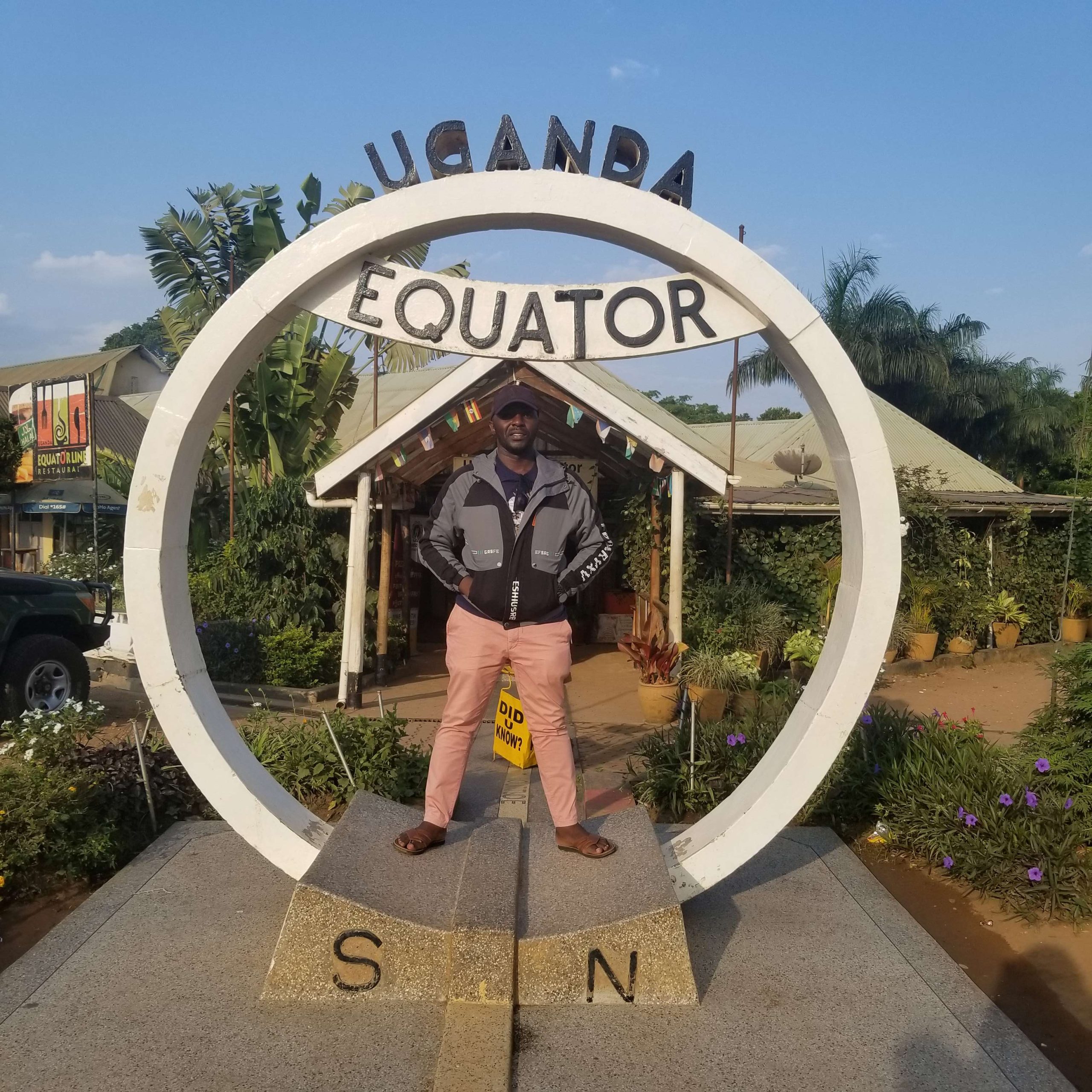
- Kayabwe Equator Monument — the iconic rings and painted line where you can stand with one foot in each hemisphere.
- Water and Coriolis demonstrations — local guides show how water “swirls” differently on each side of the line. It’s a fun science demo.
- Craft markets and cafés — local stalls sell souvenirs and simple meals. Great for a coffee break.
- Other markers — if your route takes you west, you may see quieter equator markers closer to national parks.
Activities to experience at the Equator
Short, memorable experiences you can do in about 30–90 minutes:
- Stand with one foot in the Northern Hemisphere and one foot in the Southern.
- Watch the water drain demo (a staged, fun way to talk about the Coriolis Effect).
- Buy locally made crafts and small artworks.
- Take photos at the ring monument and with nearby signs.
- Enjoy a snack or light lunch at a roadside café.
These activities make the Equator perfect as a half-day stop on the way to parks such as Lake Mburo or Queen Elizabeth.
Wildlife and nature around the Equator
The Equator crosses regions that are rich in nature. Close to Kayabwe, the landscape is more agricultural and small-town than wild. But within a few hours’ drive, you can reach Lake Mburo, Queen Elizabeth, and other parks with birds, antelopes, and hippos. If your plan centers on wildlife, pair the Equator stop with a nearby national park visit for a fuller nature experience.
Tips for visiting the Uganda Equator
- Timing: Early morning or late afternoon gives softer light for photos.
- Dress: Light, breathable clothes and comfortable shoes. Shade is limited at roadside markers.
- Money: Bring small cash for entry fees, tips, and souvenirs (some vendors accept cards, but cash is common).
- Safety: Keep an eye on traffic when taking photos; the site sits next to a busy highway.
- Local fees: Expect small charges for demonstrations or guided photos — they help local sellers and guides. Tripadvisor
How to incorporate the Equator into your Uganda travel itinerary
The Equator is flexible. Here are a few ways to add it to a plan:
- Day trip from Kampala: Drive ~1.5 hours to Kayabwe, enjoy the stop, and return the same day. Great for travelers short on time.
- En route to western parks: Make Kayabwe a stopover on the road to Lake Mburo, Queen Elizabeth, or Bwindi. It breaks up the drive and adds variety.
- Combined cultural day: Pair the Equator with a local market visit or a village cultural tour for a deeper community experience. For curated trips, see our Uganda cultural tours and safari pages. (Internal links below.)
Quick visit checklist
- Camera or phone fully charged.
- Small local cash (UGX or USD).
- Water and sunscreen.
- Comfortable shoes and a hat.
- Patience to enjoy short local shows and bargaining at craft stalls.
Useful links & resources
Internal (suggested for your site and bookings):
- Explore Uganda safari packages (Agasaro Safaris).
- Browse cultural tours and day trips.
- Contact us to add the Equator stop to your custom itinerary.
External (for facts, booking & further reading):
- Visitor info and tour options at the Kayabwe Equator. Inside Lake Mburo National Park
- Historical context about exploration and mapping in Uganda. HistoryWorld
- Notes on other equator markers and travel tips across Uganda. Agasaro Safaris
Final thoughts — embrace the equatorial moment.
The Uganda Equator is a memorable travel experience—combining fascinating science, vibrant local culture, and a striking photo opportunity. In just a brief stop, you gain a sense of Uganda’s diversity and leave with stories and souvenirs that connect you to the heart of this destination.
Inquire now for you Uganda Safari Experience and get to know all the Equator points in Uganda
Frequently Asked Questions (FAQ)
Where is the Uganda Equator located?
The most popular and accessible equator marker is at Kayabwe — along the Kampala–Masaka highway in Mpigi District, about 72 km (roughly 1.5 hours drive) from Kampala.
Does the Equator pass through other parts of Uganda?
Yes. The equator line crosses dozens of districts from west to east across the country. While Kayabwe is the best-known site, there are other crossing points — including near western national parks, such as in the Kasese region.
What will I see or do when I visit the Equator at Kayabwe?
At Kayabwe, you can:
Stand with one foot in the Northern Hemisphere and the other in the Southern — a fun “both-hemispheres” photo pose.
Watch a water-drain demonstration (by local guides) purported to show how water drains in opposite directions on the two sides — a nod to the so-called Coriolis effect.
Buy locally made crafts and souvenirs (beaded jewellery, wood carvings, printed T-shirts, and more).
Grab a bite or coffee at small restaurants or cafés nearby — useful if you’re travelling onward to other regions.
Is the “water swirling” experiment at the Equator scientifically accurate?
While the demonstration is widely popular with visitors, the actual effect is debated. Some sources note that the small basins used for the demonstration likely don’t produce a true Coriolis effect — the swirl could easily be influenced by the shape of the container or how the water is poured.
Do I weigh less at the Equator?
There is a claim often repeated by guides that gravity is slightly weaker at the Equator — making you about 0.5% lighter — because the Earth bulges at the Equator and you are slightly farther from the planet’s center compared to the poles.
However, the difference is very small, so you’ll hardly notice it.
When is the best time to visit the Uganda Equator site?
Since the equator site is open all year, you can visit any time. For the best experience, early morning or late afternoon tends to offer softer light for photos and cooler weather.
If you can avoid busy travel periods or weekends, you’ll likely have fewer crowds.
What should I bring when visiting?
Useful items are: a camera (or charged phone), small cash for crafts/entry/tips, water or shade (sun can be strong), comfortable shoes (site is by a highway), and perhaps a hat or sunscreen. Shopping also often involves small local crafts stalls.
Can I turn the equator visit into part of a larger Uganda itinerary (e.g., national parks)?
Yes. Many travellers use the Equator stop as a break or a fun side stop on their way to or from western parks such as Lake Mburo National Park, Queen Elizabeth National Park, or Bwindi Impenetrable Forest. It offers a mix of science, culture, crafts, and a light meal to break long drives.
Are there any limitations or disappointments visitors should know about?
Yes — some visitors find the site too small or “just a photo stop.” There’s limited nature/wildlife right at the monument, and unless you combine it with a park visit, the stay can be short. Locals and guides have sometimes called on authorities to further develop the area for a richer tourist experience.