The Ultimate Guide to Gorilla Photography: Bwindi & Mgahinga (2026), gear, camera settings, ethical rules, best lenses, composition, and post-processing to get safari-grade portraits.
Table of Contents
Why gorilla photography is special (and why ethics matters)
Mountain gorillas are habituated but still wild, easily stressed, and vulnerable to human illness. Responsiblephotography protects gorillas and helps conservation by funding parks and communities through tourism. Uganda’s trekking guidelines set strict viewing rules, including time limits, distance, and no flash, to reduce disturbance as stipulated by Uganda Wildlife Authority.
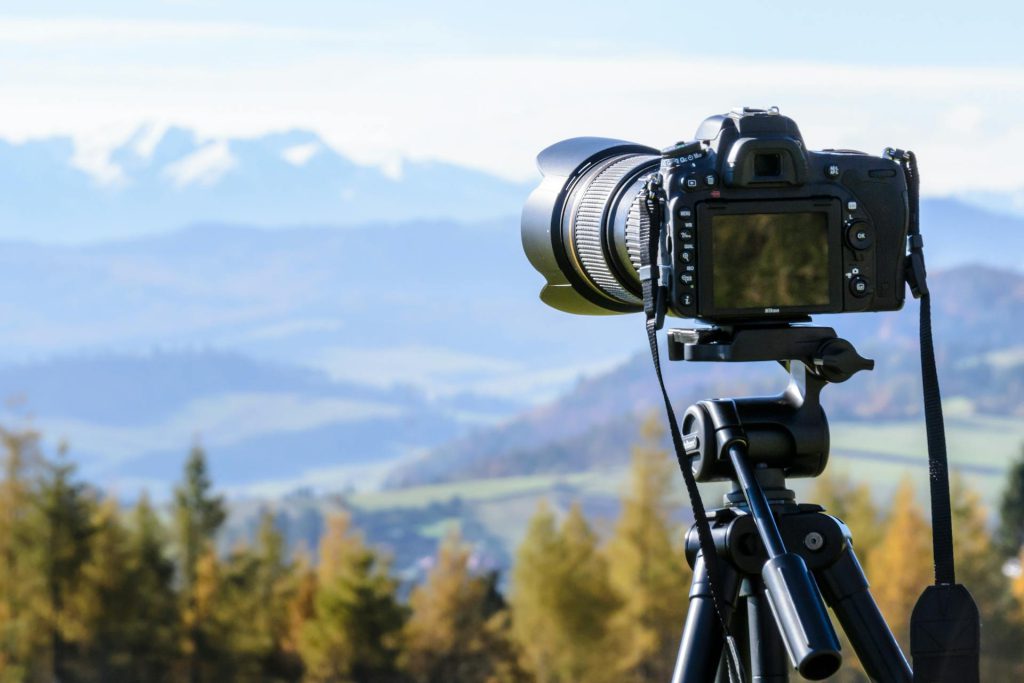
Pro Tip:
Great photos come from patience, quiet movement, and respect, not getting closer than rules allow.
The Ultimate Guide to Gorilla Photography: Bwindi & Mgahinga (2026)
Best places to photograph mountain gorillas in Uganda
- Bwindi Impenetrable National Park
The most visited park, with many habituated groups and varied forest backdrops. - Mgahinga Gorilla National Park
Fewer permits and excellent conditions for more intimate and quieter encounters.
Bonus for photographers: The Habituation Experience (CHEX)
If one hour is not enough, look into the Habituation Experience in Bwindi’s Rushaga sector. You get four hours with a semi-habituated group, giving you more time to wait for the perfect light and capture complex social behaviors. Learn More on How to Prepare for Gorilla Trekking
Book your Gorilla trekking Safari here now, or visit our website now.
Camera gear, what to bring and why
| Priority | Item | Why it matters |
| 1 | DSLR or mirrorless body with good high ISO performance | Low forest light requires clean high ISO and fast autofocus |
| 2 | 70 to 200mm f/2.8 or 70 to 300mm | Versatile for tight portraits from a respectful distance |
| 3 | 24 to 70mm f/2.8 or 16 to 35mm | Environmental shots when gorillas are close |
| 4 | A fast prime, such as 85mm f/1.8 or 135mm | Subject isolation and low light performance |
| 5 | Light tripod or monopod | Useful for longer waits, monopods are more practical |
| 6 | Rain protection and silica packs | Bwindi is wet and humid |
| 7 | Extra batteries and memory cards | Cold and moisture drain batteries quickly |
| 8 | Lens cloth and waterproof bag | Keeps optics clean and dry |
Pro Tip:
Hire a porter. For about twenty dollars, a local porter will carry your camera bag. This reduces fatigue, protects your gear, and keeps your hands free on steep terrain.
Note on humidity:
Moving from an air-conditioned vehicle into ninety percent humidity causes lens fogging. Take your camera out of the bag twenty minutes before reaching the gorillas to allow acclimatization.
Recommended camera settings (start here and adapt)
General approach: forest = low light; gorilla movement can be slow but unpredictable. Balance shutter speed for movement, aperture for subject separation, and ISO for exposure.
- Mode: Aperture Priority or Manual (if comfortable).
- Aperture: f/2.8–f/5.6 for portraits (shallow DOF helps subject pop); f/8 for small groups or environmental shots.
- Shutter speed: 1/500s or faster for moving subjects (juveniles); 1/250s for sitting adults if stabilized. Increase speed for sudden lunges or quick movements.
- ISO: Start 800–3200 depending on your camera’s noise performance. Test and find the highest usable ISO without losing detail.
- AF: Continuous AF (AF-C), single-point or small cluster to lock on the eyes.
Silent Shooting: If using a mirrorless camera, enable Silent Shutter (Electronic). The “machine-gun” sound of a mechanical shutter burst can be distracting to the gorillas and other trekkers in the quiet forest.
- Drive mode: High-speed burst for short sequences (capture expressions or sudden gestures).
- Metering: Evaluative/matrix, but watch highlights on wet fur and dark shadows; use exposure compensation if needed.
- Flash: OFF. Flash is prohibited and harms gorillas.
Pro-Tip: Pre-focus on a likely perch or path and be ready – gorilla movement can be unexpectedly fast.
Composition and storytelling make every frame count
- Focus on the eyes for emotional impact
- Shoot at eye level or lower when possible
- Include vegetation for the environmental context
- Fill the frame for powerful portraits
- Capture family interactions and behavior
- Use negative space for balance
- Vertical compositions work well for full-body shots
Pro Tip:
A strong sequence includes one wide environmental shot, one three-quarter portrait, and one tight facial close-up.
Movement, behavior, and safety
- Watch the silverback’s body language and follow the ranger’s cues
- Avoid prolonged direct eye contact
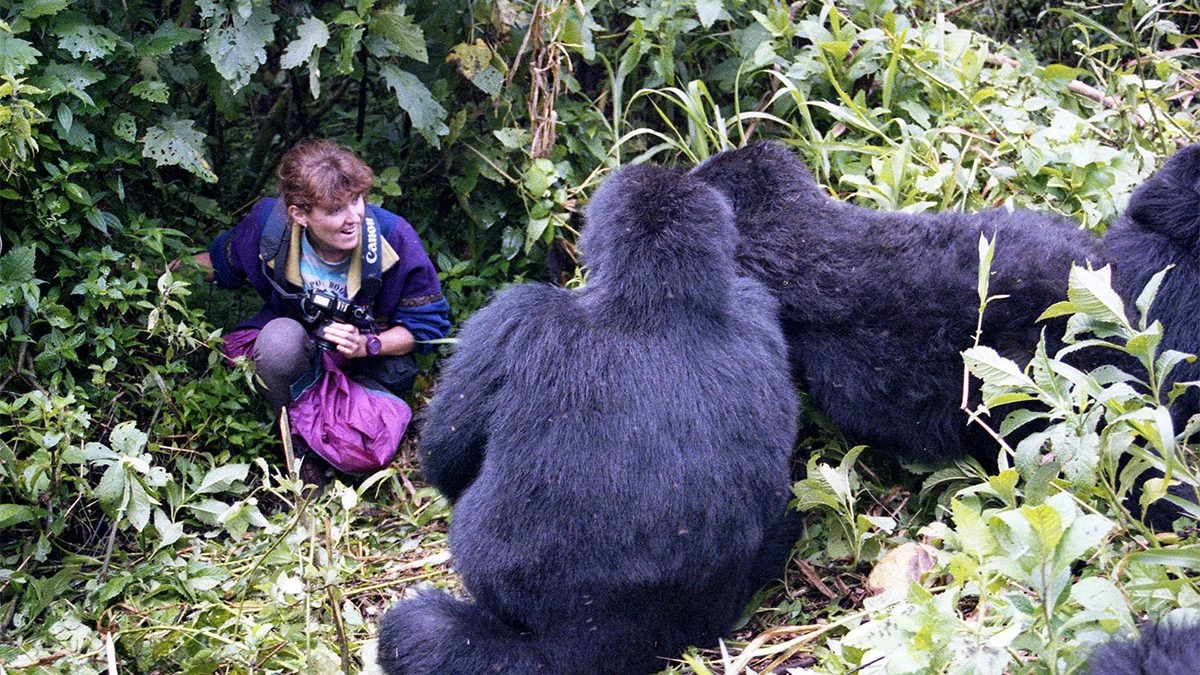
- If a gorilla approaches, stay calm, crouch slowly, and follow instructions
Post-processing workflow
- Shoot RAW for maximum flexibility
- Correct exposure and white balance, forest light is often green
- Apply noise reduction carefully to preserve fur texture
- Sharpen locally around the eyes
- Crop thoughtfully for impact
- Add IPTC metadata such as species, park, date, and guide
- Export at 2048 pixels for web and 300 DPI for print
Pro Tip:
Use subtle vignetting to guide attention without over-processing.
Ethical considerations and conservation best practice
- Follow all Uganda Wildlife Authority rules
- Minimize disease transmission and sanitize gear
- Avoid posting exact GPS locations of vulnerable groups
Pro Tip:
Mention conservation contributions in captions to build trust and credibility.
Practical checklist, what to pack
- Camera body and two lenses
- Extra batteries and memory cards
- Rain cover for gear and yourself
- Lens cloth and silica sachets
- Monopod and strap
- First aid kit, water, energy snacks
- Waterproof backpack
- Permit, passport copy, and insurance
Conclusion
Ready to experience your ultimate Photography gorilla trekking safari?
Get in contact with us to curate and customize that lifetime trekking adventure for you.
FAQ
Can I photograph gorillas during tracking?
Yes, follow the ranger’s instructions, keep distance, and never use flash.
What lens is best for gorilla photography?
A 70 to 200mm f/2.8 is the most versatile option.
Are gorilla permits expensive?
Permit prices change. Always check the current Uganda Wildlife Authority tariff.
Is flash allowed?
No. Flash is banned because it can stress gorillas.