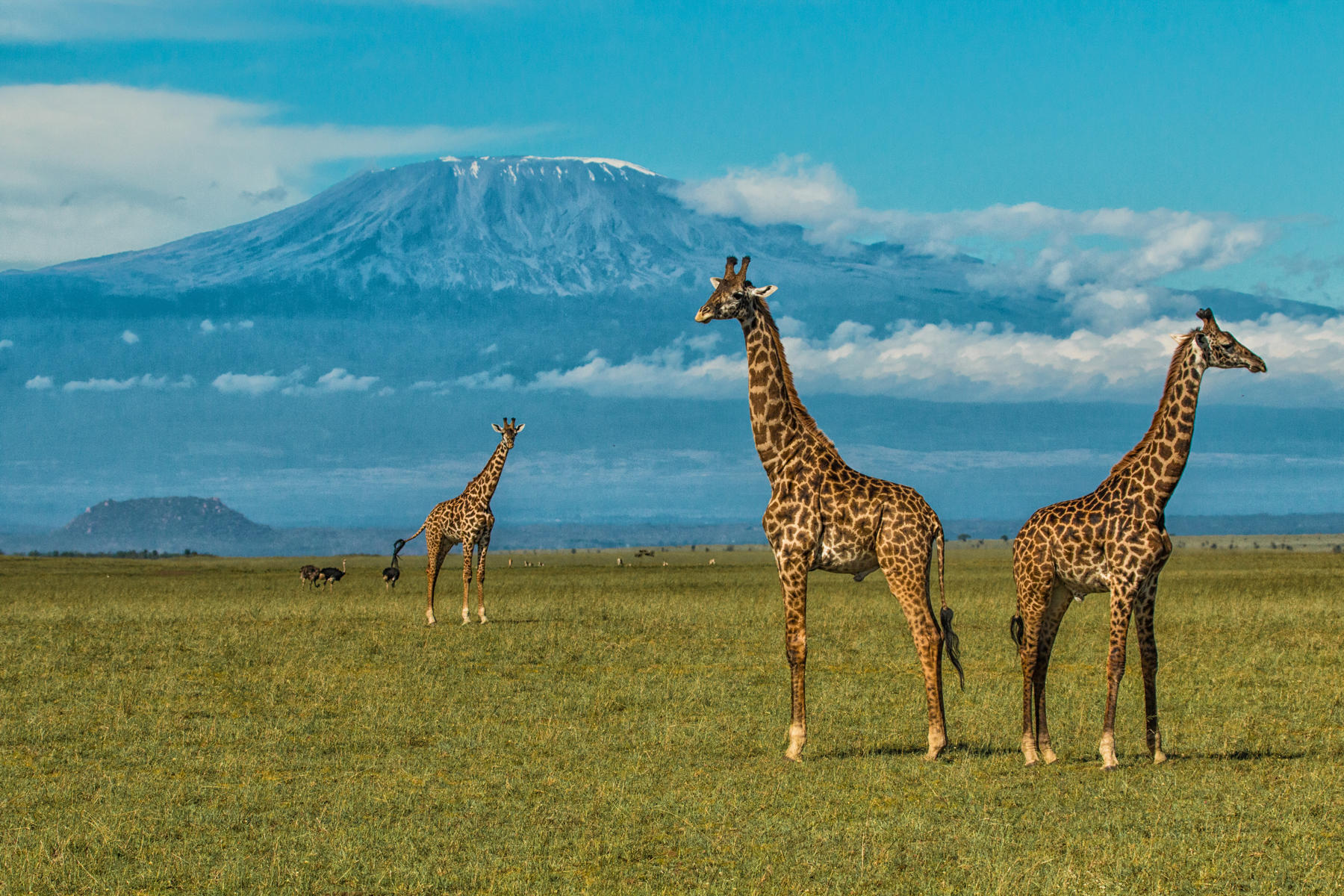
How much does an African safari cost in 2026? From $800 Uganda gorilla permits to $200 Masai Mara fees, we break down the real prices for budget, mid-range, and luxury tours.
Table of Contents
Introduction
Planning an African safari is an exercise in balancing a wild dream against a realistic spreadsheet. At Agasaro Safaris, we believe that transparency is the foundation of trust. We often hear the same opening question: “What is the bottom line for 2026?”
The truth is that a safari cost is as variable as the patterns on a leopard’s coat. Unlike a standard all-inclusive resort or a European city break, a safari involves complex logistics, fluctuating conservation fees, and specialized guiding. In 2026, the landscape has shifted significantly with major updates to park entrance fees in Kenya Vs Tanzania and revised permit structures in Uganda. Planning a multi-country safari is explained here.
This guide serves as your definitive 2026 roadmap. We break down the real numbers—from budget-friendly adventures to “wing-to-wing” luxury—to help you plan a journey that prioritizes experience over possession.
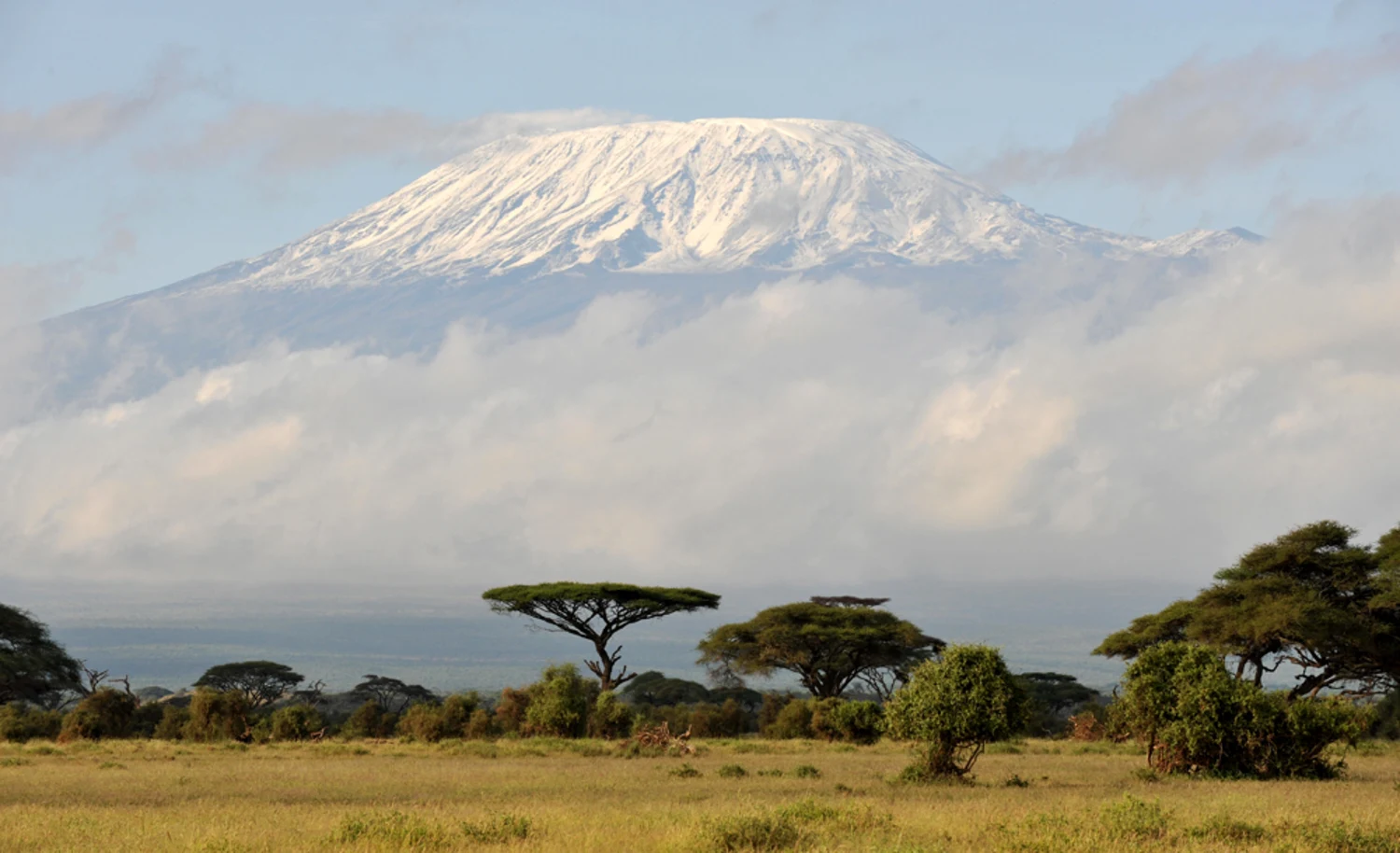
The “Hidden” Engines: What Drives Safari Costs in 2026?
Before we dive into the daily rates, it is essential to understand why two seemingly identical 7-day trips can differ by thousands of dollars. In 2026, four “engines” drive your final quote.
How much does an African safari cost in 2026?
1. The 2026 Conservation & Park Fee Hikes
This is the most significant change this year. Governments across East Africa have restructured their fees to support intensive conservation and infrastructure.
- Kenya’s Tiered System: The Masai Mara has moved to a seasonal fee structure. You can verify the latest seasonal changes via the official Kenya Wildlife Service (KWS) portal. In 2026, expect to pay $100 per person/day in the low season and $200 during the high season.
- Uganda’s Entry Fees: The official Uganda Wildlife Authority (UWA) tariff now reflects the updated costs required to maintain UNESCO World Heritage sites. Fees remain a core cost at approximately $40–$50 per day for major parks like Murchison Falls and Queen Elizabeth National Park.
2. The Logistics of the “Bush.”
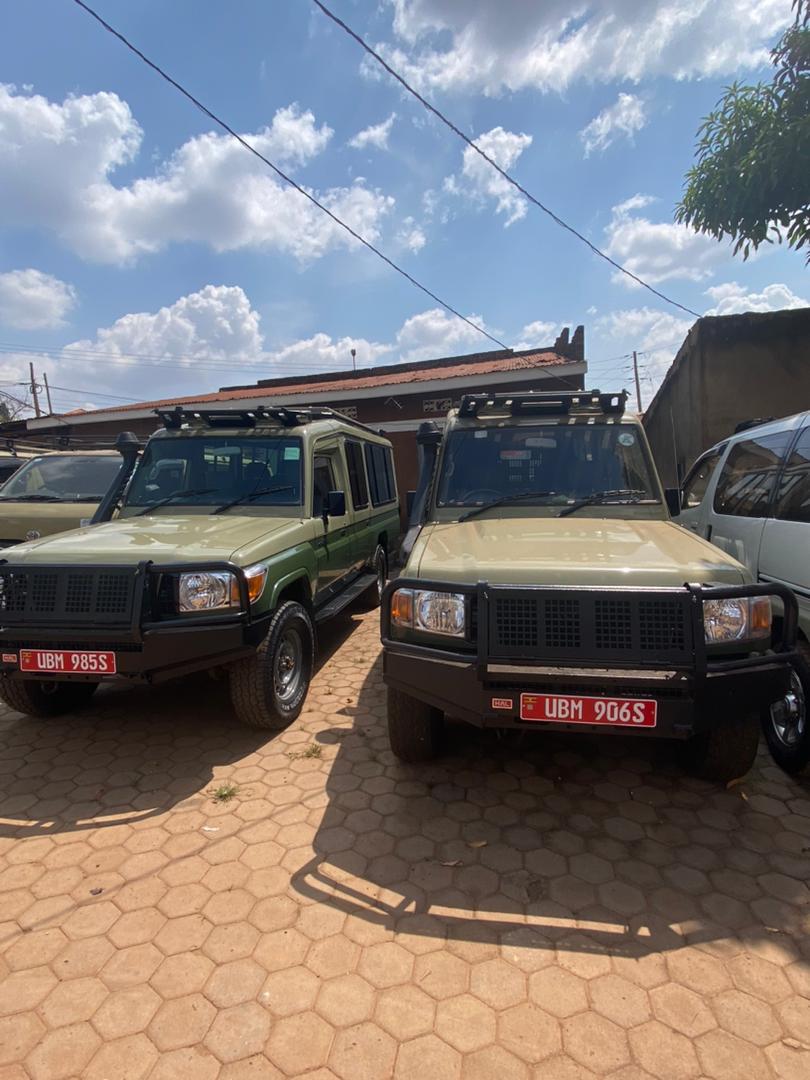
A safari isn’t just a hotel stay; it’s a mobile operation. Your cost covers a specialized 4×4 Land Cruiser, fuel, and—most importantly—a professional guide. At Agasaro, our guides are more than drivers; they are wildlife experts and mechanics who ensure your safety in remote terrains.
3. Seasonality: The “Green” vs. “Gold” Seasons
- Peak Season (June–October): The “Gold” season. Wildlife is easy to spot near water holes, but lodges charge peak rates.
- Low Season (March–May): The “Green” season. The landscape is lush, birding is at its peak (see our guide on The Most Common Birds in Uganda), and luxury lodges often slash prices by 30%.
2026 Pricing Tiers: Per Person, Per Day (PPPD)
To help you visualize your trip, we have categorized 2026 safari pricing into three distinct tiers. All prices are based on double occupancy.
The Budget Safari ($250 – $450 PPPD)
For the adventurous traveler, the budget safari focuses on the wildlife rather than the thread count of the linens.
- Accommodation: Basic tented camps, public campsites, or local guest houses outside park boundaries.
- Transport: Often shared vehicles or slightly older 4×4 models.
- The Experience: You will see the same lions as the luxury travelers, but you’ll likely eat simpler meals and lack air conditioning.
- Agasaro Recommendation: Our 3-Day Murchison Falls Safari is a prime example of high-value budget travel.
The Mid-Range “Classic” Safari ($500 – $850 PPPD)
This is the “sweet spot” for 80% of Agasaro guests. It balances authentic bush immersion with modern comforts.
- Accommodation: Boutique eco-lodges or permanent tented camps with en-suite bathrooms and swimming pools (e.g., Turaco Tree Tops).
- Transport: Private 4×4 Safari Land Cruisers with pop-up roofs and internal charging ports.
- The Experience: Professional guides, sundowners in the savannah, and multi-course dinners.
- Agasaro Recommendation: Our 10-Day Uganda Scheduled Group Tour offers mid-range luxury at a shared cost.
The Luxury & Flying Safari ($900 – $2,200+ PPPD)
For those celebrating a milestone or seeking total exclusivity.
- Accommodation: Ultra-luxury lodges like Mahogany Springs.
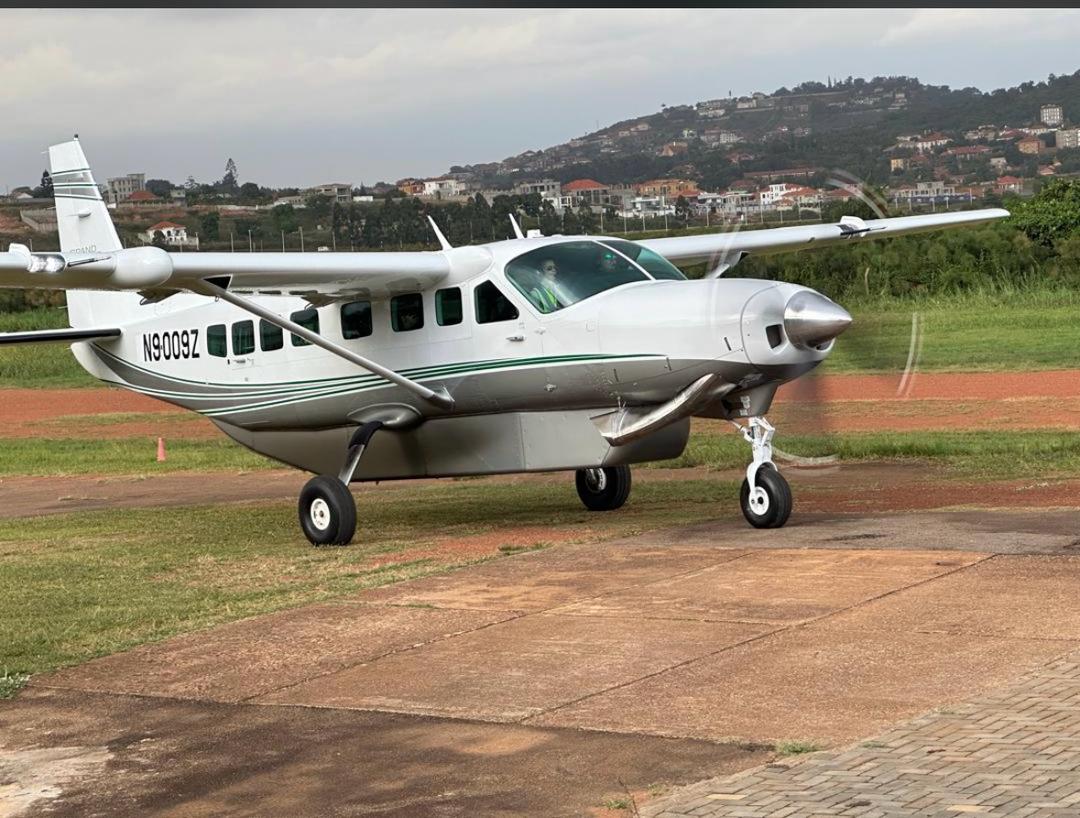
- Transport: Internal flights (“Wing-to-Wing”) that turn an 8-hour drive into a 45-minute scenic flight.
- The Experience: Private chefs, personal butlers, and spa treatments in the forest.
- Agasaro Recommendation: Explore our Flying Safaris in Uganda and East Africa for a glimpse into this elite world.
The “Primate Premium”: Gorilla & Chimp Permits
In East Africa, primate trekking is a separate budgetary line item. According to the World Wildlife Fund (WWF), these funds are the primary reason Mountain Gorillas are the only great ape species whose numbers are actually increasing.
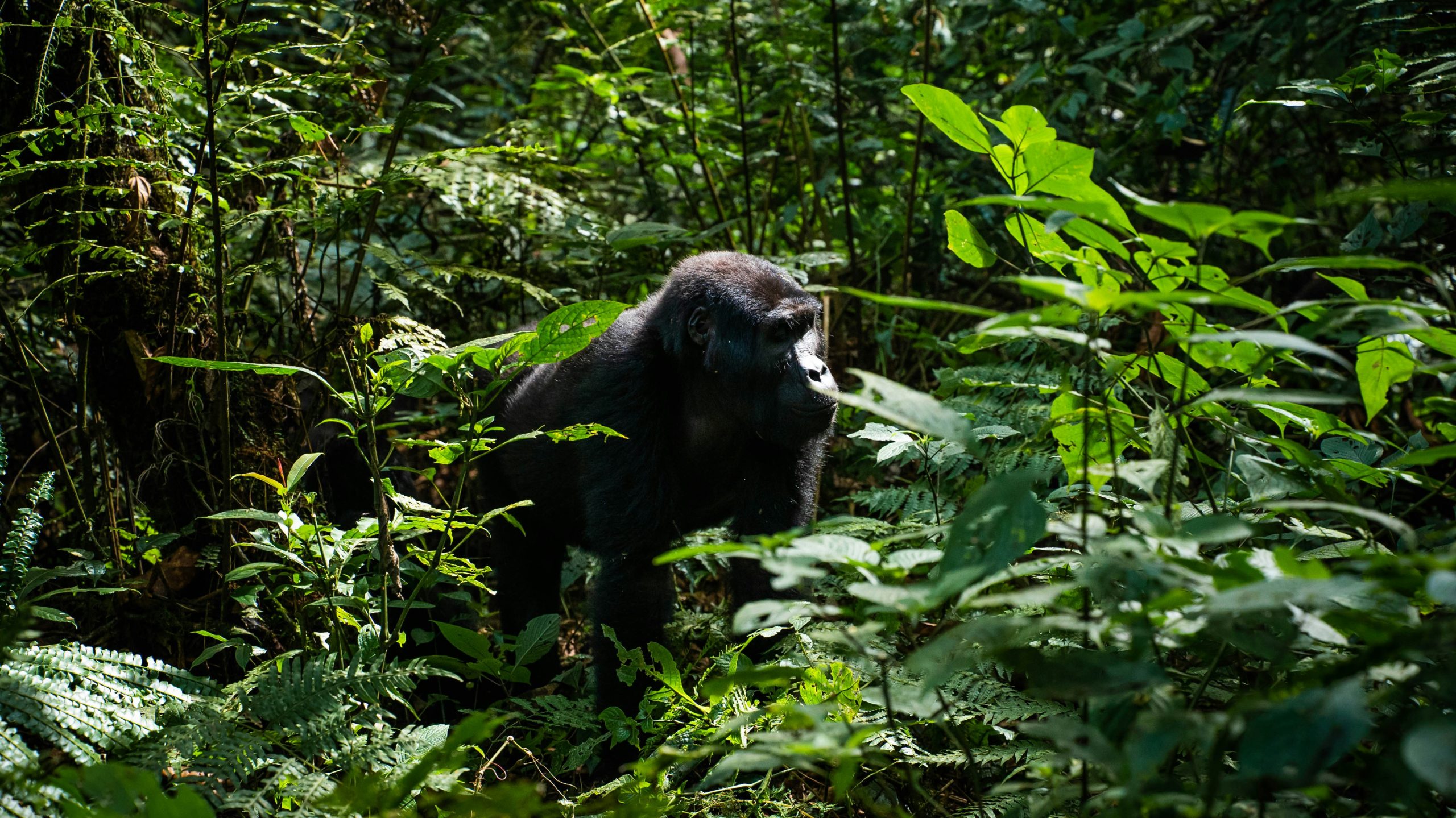
| Activity | Country | 2026 Permit Cost (USD) |
| Gorilla Trekking | Uganda (Bwindi/Mgahinga) | $800 |
| Gorilla Trekking | Rwanda (Volcanoes NP) | $1,500 |
| Chimpanzee Trekking | Uganda (Kibale Forest) | $250 |
| Golden Monkey Trekking | Uganda/Rwanda | $100 |
Pro tip:
Book your Gorilla trekking Permit and chimpanzee trekking permit in advance, 3-6 months before the tour starts with authorized tour companies.
Related Blog: How to Book Gorilla Trekking Permits
Regional Comparison: Where Does Your Dollar Go Furthest?
1. Uganda: The Best All-Rounder
Uganda remains the most diverse destination for the price. You can see the Big Five, track gorillas, and take a boat safari on the Nile in a single trip.
- Average 7-Day Mid-Range Cost: $3,500 – $4,800 (Including Permits).
2. Kenya: The Classic Savannah
Kenya is the home of the “Out of Africa” experience. While park fees have increased, the density of wildlife in the Masai Mara remains unparalleled.
- Average 7-Day Mid-Range Cost: $3,800 – $5,200.
3. Rwanda: The Luxury Boutique
Rwanda is designed for those who value intimacy and world-class infrastructure. It is the most expensive destination in the region.
- Average 7-Day Luxury Cost: $8,000 – $15,000.
The “Invisible” Budget: Often Overlooked Costs
When planning your 2026 safari, don’t forget these “invisible” costs that can add $500–$1,000 to your total:
- International Flights: Flights to Entebbe (EBB) or Nairobi (NBO) can range from $800 to $1,800 depending on the season.
- Visas: Avoid the inflated fees of third-party agencies. Ensure that you apply only through the Official Republic of Uganda E-Visa portal. The East Africa Tourist Visa ($100) is the best value, granting entry to Uganda, Kenya, and Rwanda.
- Vaccinations: Consult the CDC Travelers’ Health guide for East Africa to budget for required shots like Yellow Fever.
- Tipping: Tipping is an integral part of the safari economy.
- Safari Guide: $20–$30 per day (per group).
- Lodge Staff: $10–$15 per day (via the communal tip box).
2026 Masterpiece Itinerary: 10 Days in the Pearl of Africa
To bring these numbers to life, here is a realistic budget for our most popular 2026 route:
- Day 1-2: Arrival in Entebbe & Mabamba Swamp (Shoebill Stork spotting).
- Day 3-4: Murchison Falls NP (Game drives & Nile boat cruise).
- Day 5: Kibale Forest (Chimpanzee Trekking).
- Day 6-7: Queen Elizabeth NP (Tree-climbing lions & Kazinga Channel).
- Day 8-9: Bwindi Impenetrable Forest (Gorilla Trekking).
- Day 10: Return to Entebbe for departure.
2026 Financial Breakdown (Mid-Range):
- Base Tour (Lodging, Meals, Transport, Guide): $4,400
- Gorilla Permit: $800
- Chimpanzee Permit: $250
- Internal Transfers & Misc: $300
- TOTAL INVESTMENT: $5,750 per person.
Request for a Quote from us now: Contact Us
Agasaro’s Insider Tips to Save in 2026
- The “Shoulder Season” Secret: Travel in June or October. You get “High Season” wildlife viewing with “Mid-Season” lodge prices.
- Travel as a Quad: Safaris are cheaper when the cost of the vehicle and guide is split between four people instead of two. You can save up to $600 per person just by traveling with friends.
- Book the “Long Stay”: Many lodges offer “Stay 4, Pay 3” deals in the low season.
- Mix Your Stays: You don’t need a luxury lodge every night. We suggest staying mid-range during travel days and “splurging” on a luxury lodge for your two nights in the Gorilla forest.
Conclusion: Is a 2026 Safari Worth It?
While costs have risen, the value of an African safari remains unmatched. It is more than a vacation; it is an investment in the planet’s most vital ecosystems. When you book with Agasaro Safaris, you aren’t just buying a tour – you are supporting a sustainable future for the wildlife and communities of East Africa.
Ready to see the real numbers for your dream trip? Request a Tailored 2026 Quote from the Agasaro team today.
FAQ
What is the cost of a gorilla trekking permit in Uganda for 2026?
The 2026 price for a Uganda Gorilla Trekking permit is $800 USD for Foreign Non-Residents. This fee is regulated by the Uganda Wildlife Authority and must be paid in full at the time of booking to secure your spot. Permits for Rwanda remain at $1,500 USD.
What are the requirements for US Dollar bills in 2026?
For a safari in Uganda, Kenya, or Tanzania, you must carry US Dollar bills printed in 2013 or later. Bills must be in pristine condition; local banks and businesses often reject notes that are torn, faded, or have ink markings. Large denominations ($50 and $100) often receive better exchange rates.
Is the East Africa Tourist Visa worth it for a multi-country safari?
Yes. If you are visiting Uganda, Kenya, and Rwanda, the East Africa Tourist Visa ($100) is the most cost-effective option. It allows multi-entry access to all three countries, saving you approximately $50–$100 compared to buying individual visas at each border.
Can I use credit cards during my safari in East Africa?
While major hotels in Entebbe or Nairobi accept cards, cash is king in the bush. Most remote lodges have limited connectivity and apply a 3% to 5% surcharge on card transactions. It is best to carry USD cash for tips, souvenirs, and extra drinks.
How much does a 7-day African safari cost in 2026?
In 2026, a mid-range 7-day safari in East Africa typically costs between $3,500 and $5,000 per person. This includes a private 4×4 vehicle, boutique eco-lodges, all meals, and park fees. Budget options start at $1,800, while luxury flying safaris can exceed $10,000 depending on the exclusivity of the lodges.
🔗 Related Reading from the Agasaro Blog: