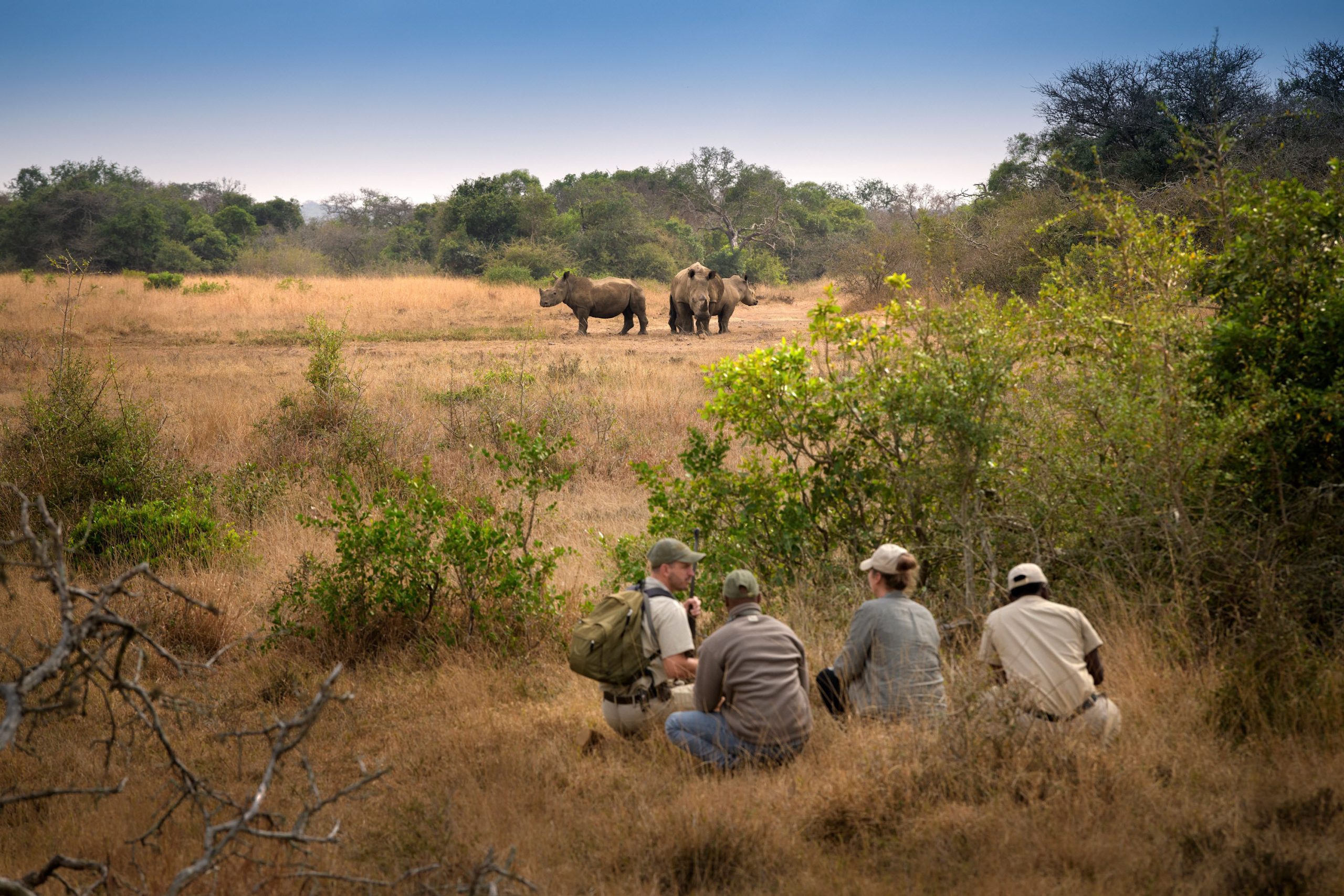
Top Walking Safaris in Southern African Parks: Where to walk with experienced guides, what to expect on a walking safari, safety essentials, and the best parks for foot‑based wildlife encounters.
Table of Contents
Introduction
Walking safaris are the most immersive way to experience the African bush. You swap vehicle distance for a quiet, tactile connection to habitat, tracks, bird calls, and small details you would likely miss from a car. This guide highlights the best Southern African parks for walking, explains what a typical walk includes, and helps you prepare physically, mentally, and logistically for safe, rewarding foot‑based encounters with Agasaro Safaris.
Top Walking Safaris in Southern African Parks
Why Walking Safaris Matter
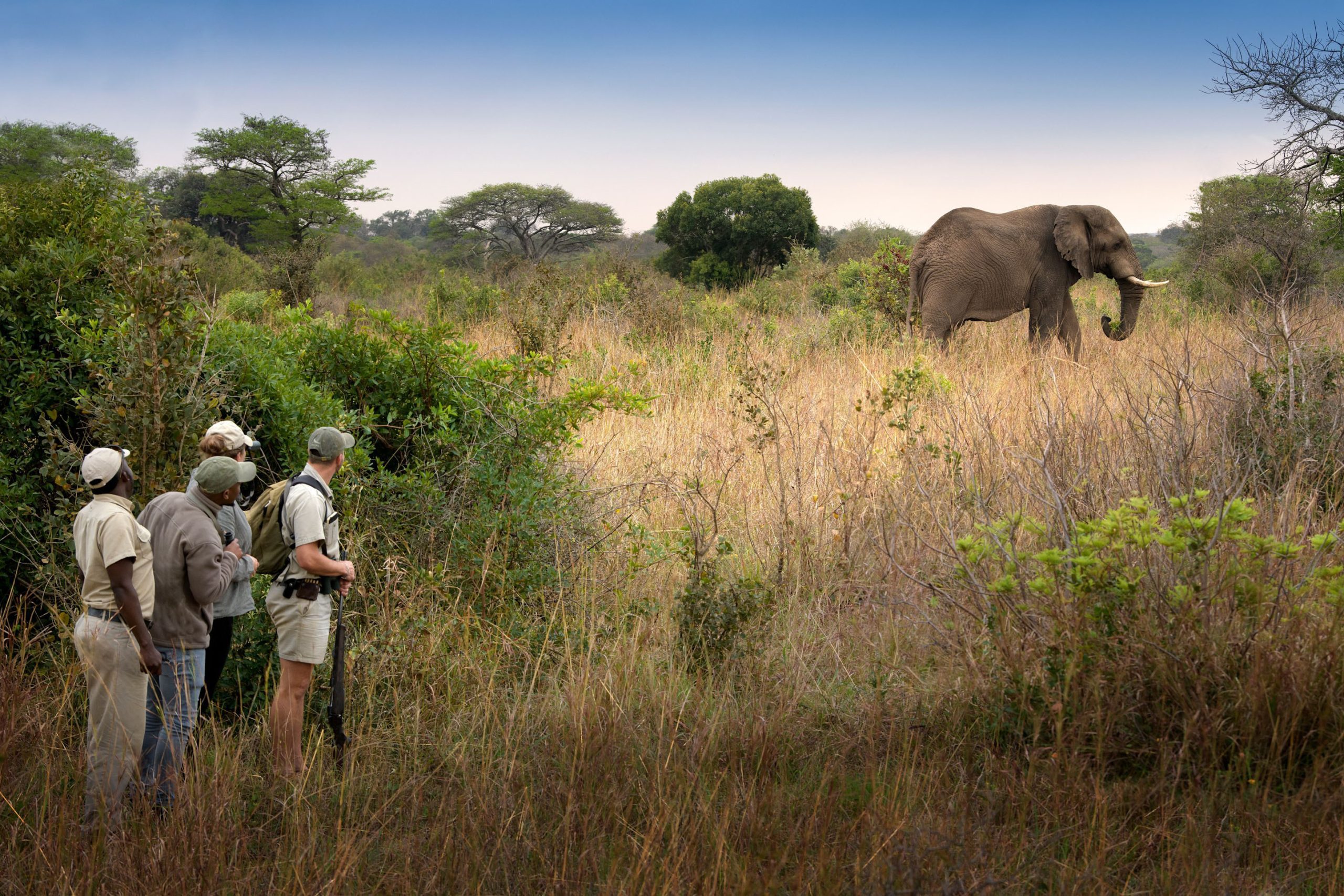
Walking safaris add scale and nuance to your understanding of wildlife areas. You learn to read spoor, identify birds and insects, and interpret predator behavior from a safe distance under the supervision of expert guides. Walking also tends to support lower‑impact tourism models and community-based operations, spreading benefits beyond lodge fences and vehicle tracks.
Contact us now to curate the best experience for you
Walking vs Vehicle Safaris Table
| Typically, with caution near big game | Walking Safari | Vehicle Safari |
| Main Focus | Tracks, signs, behavior, ecology | Big sightings, broad area coverage |
| Safety Level | Higher inherent risk, managed by strict protocol | Generally lower risk inside a vehicle |
| Wildlife Distance | Typically further, with caution near big game | Often closer, especially to large mammals |
| Physical Demand | Moderate–high; 2–4 hours on foot | Low; mostly seated with short walks |
| Best For | Learning, immersion, subtle encounters | Maximum Big Five sightings and photography opportunities |
Top 8 Parks for Walking Safaris
1. South Luangwa National Park, Zambia
Why walk here
Often regarded as the birthplace of modern walking safaris, South Luangwa combines high predator activity with diverse habitats along the Luangwa River. Trails are designed to keep a safe buffer while still allowing you to read fresh tracks and signs.
- What to expect: Guided morning and sometimes afternoon walks focusing on spoor, small game, birdlife, and the broader ecology around major animal movements.
- Best time: July to October, when vegetation thins and wildlife concentrates along remaining water.
- Pro tip: Choose camps that advertise specialist walking guides and small group sizes; ask specifically about guide qualifications and experience with walking guests.
2. Mana Pools National Park, Zimbabwe
Why walk here
Mana Pools’ riverine forests and open floodplains lend themselves to exploratory walking routes along the Zambezi. The mix of big trees, open areas, and river access creates excellent conditions for encounters with elephants, antelope, and rich birdlife on foot.
- What to expect: Canoe access to landing points followed by guided walking circuits that may trace floodplains, pools, and forest edges.
- Best time: August to October, when water levels are lower, and animals concentrate around pools and the river.
- Pro tip: Combine canoe days with walking days for varied perspectives and to manage fatigue.
3. Lower Zambezi National Park, Zambia
Why walk here
Lower Zambezi’s dense riverine vegetation and island systems are ideal for foot exploration, with dramatic backdrops of escarpment and river channels. Walks often start from camp and follow game paths or sandy channels.
- What to expect: Short to medium-length guided walks from river-based camps, often in the cooler hours of the morning, focusing on tracking, fresh spoor, and reading predator presence.
- Best time: July to October, when visibility is higher, and wildlife is drawn to the river.
- Pro tip: Early walks often reveal overnight activity—fresh lion or leopard tracks, recent kills, and hippo pathways—so expect to learn as much from signs as from live sightings.
4. Gorongosa National Park, Mozambique
Why walk here
Gorongosa is a conservation success story, with reintroduced and recovering wildlife populations across plains, woodland, and forest. Walks here tend to emphasize ecosystem recovery, history, and the link between people and nature.
- What to expect: Interpretive walks led by guides trained alongside conservation teams, focusing on ecology, restoration work, and local cultural context.
- The best time is from May to October, outside the main rainy season, when trails are more accessible.
- Pro tip: Combine walking with vehicle-based or photographic safaris to appreciate both the big-picture comeback story and the fine details.
5. Kgalagadi Transfrontier Park
Why walk here
Kgalagadi’s semi-arid landscapes and open spaces are ideal for tracking and understanding desert adaptations. Walks tend to emphasize smaller creatures, tracks, and plant strategies for surviving arid conditions.
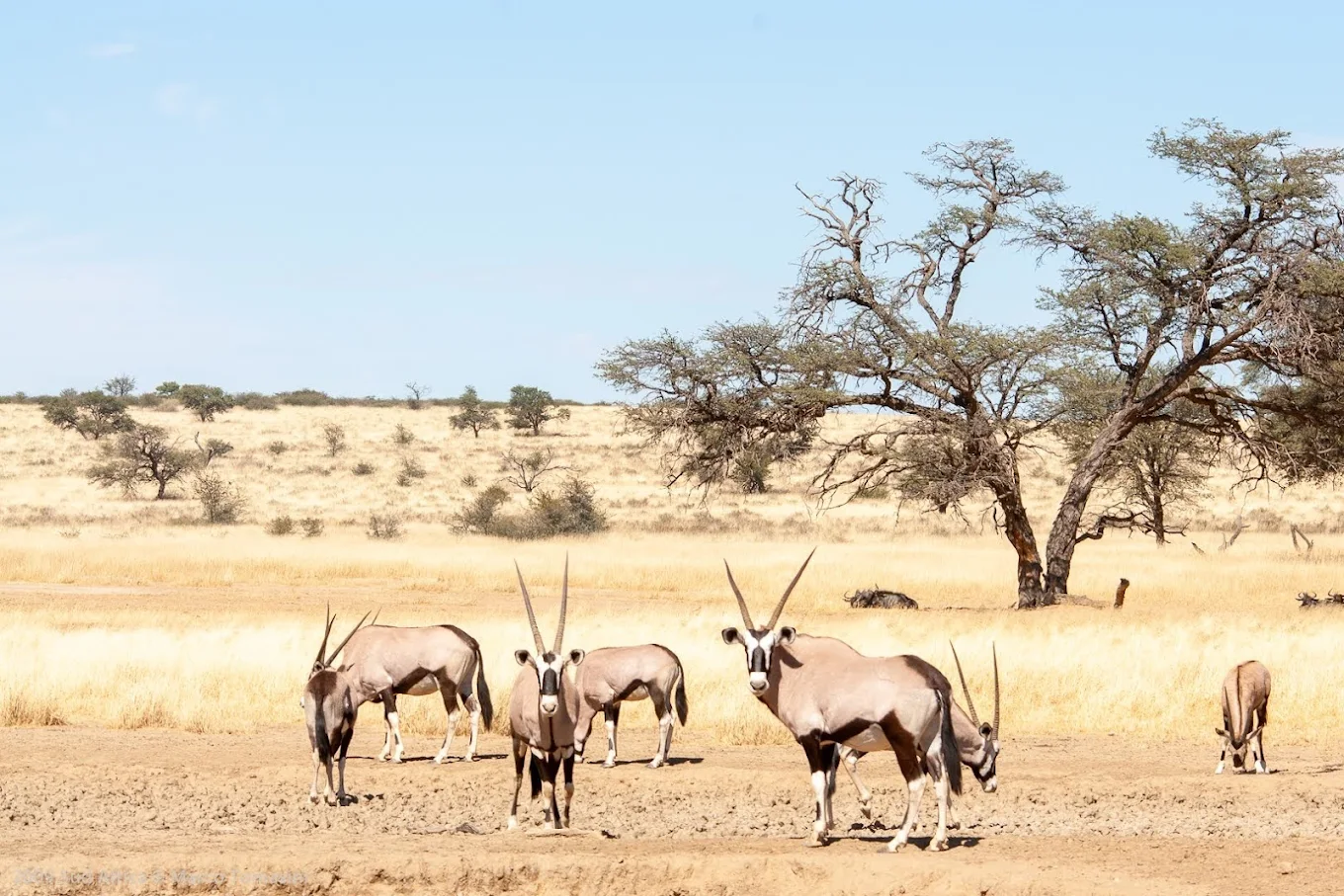
- What to expect: Guided day walks in cooler months, often from rest camps or designated areas, with a strong focus on spoor interpretation and desert ecology rather than close big‑cat approaches.
- Best time: May to September, when temperatures are more comfortable for walking.
- Pro tip: Start early to avoid the heat and increase your chances of encountering fresh predator tracks and early morning activity.
6. Sabi Sand Private Concessions, South Africa
Why walk here
Many private lodges within Sabi Sand offer short, highly controlled walking experiences that supplement vehicle drives. Guides often have deep local knowledge of predator territories and individual animals.
- What to expect: Short guided walks (often 1–2 hours) near camp or in known safe zones, focusing on birding, spoor, and vegetation, with very conservative approaches near large mammals.
- Best time: May to October, when vegetation is thinner, and temperatures are more comfortable.
- Pro tip: Select lodges that highlight walking as a core activity and keep groups small; this improves interpretation quality and safety.
7. Okavango Delta Community Camps, Botswana
Why walk here
Community‑run or community‑partnered camps on Delta islands often offer seasonal walking, combining mokoro access with foot exploration through riverine woodland and floodplain corridors.
- What to expect: Seasonal walks from island camps, often combined with mokoro trips; focus is typically on birds, smaller mammals, and the interplay between water, soil, and vegetation.
- Best time: June to October, when water levels and vegetation allow for safe and varied routes.
- Pro tip: Pair mokoro sessions (for water‑level views) with walks (for inland detail) to get a full sense of the island’s ecology.
8. Hluhluwe–iMfolozi Park, South Africa
Why walk here
Hluhluwe–iMfolozi has deep rhino conservation roots and varied terrain, from hills to river valleys, making it well‑suited for interpretive walking tours linked to conservation stories.
- What to expect: Guided walks emphasizing rhino monitoring, anti‑poaching, cultural history, and the park’s role in species recovery, usually within clearly defined walking zones.
- Best time: May to September, when cooler conditions and drier vegetation help visibility.
- Pro tip: Look for conservation‑led walks run in collaboration with park management or NGOs if you want to learn more about rhino protection in practice.
Walking Safari Comparison Table
| Park / Area | Typical Walk Length | Focus Areas | Best Time (General) | Walk Intensity (Typical) |
| South Luangwa (Zambia) | 2–4 hours | Tracks, predators, riverine ecology | Jul–Oct | Moderate–High |
| Mana Pools (Zimbabwe) | 2–3 hours | Floodplains, elephants, birds | Aug–Oct | Moderate |
| Lower Zambezi (Zambia) | 2–3 hours | Riverine habitat, spoor, signs | Jul–Oct | Moderate |
| Gorongosa (Mozambique) | 2–3 hours | Ecology, restoration, history | May–Oct | Moderate |
| Kgalagadi (SA/Botswana) | 1–3 hours | Desert tracks, adaptations | May–Sep | Moderate |
| Sabi Sand (South Africa) | 1–2 hours | Birding, spoor, bushcraft | May–Oct | Low–Moderate |
| Okavango Delta community camps | 1–3 hours | Birds, small mammals, islands | Jun–Oct | Low–Moderate |
| Hluhluwe–iMfolozi (South Africa) | 2–3 hours | Rhinos, history, culture | May–Sep | Moderate |
Safety & Etiquette on Foot
Walking safaris are designed to be conservative, with strict safety margins and clear communication between guides and guests.
- Always follow the guide instructions immediately; the guide authority is non‑negotiable on foot.
- Never attempt to approach, feed, or corner wildlife; guides will set clear comfort distances.
- Keep voices low and movements deliberate so animals can detect and assess the group calmly.
- Wear neutral‑colored clothing and closed shoes with good grip; avoid bright colors and noisy fabrics.
- Carry only what you need: water, basic essentials, and a small camera kit; leave heavy bags and unnecessary gear in camp.
What to Expect on a Typical Walking Safari
A typical walk is less about “ticking off” big animals and more about context and detail.
- Duration: Short to medium circuits (around 2–4 hours), with rest breaks and observation stops.
- Focus: Footprints, dung, scent markings, old kills, plant uses, insect life, and bird calls, plus safe observation of larger mammals at a respectful distance.
- Optional night walks: In some well‑managed areas, short night walks may be offered to focus on nocturnal species, always under careful control and within strict guidelines.
Photography on Foot
Walking changes your photographic approach compared with shooting from a vehicle.
- Lenses: A short telephoto, such as 70–200mm or a flexible 24–105m,m is ideal; heavy super‑telephotos are rarely practical on foot.
- Handling: Practice quiet lens changes and camera handling to minimize noise and sudden movements.
- Distances: Expect more environmental and mid‑range compositions; respect guide limits on how close you can approach wildlife for a shot.
- Stability: Use higher shutter speeds than usual to compensate for hand‑holding and adrenaline.
Fitness & Preparation
Most walking safaris do not require athlete‑level fitness, but you should be comfortable with gentle hiking in warm conditions.
- Fitness: Moderate fitness is recommended for 2–4 hour walks; terrain may include uneven ground, sand, and mild inclines.
- Essentials: Bring water, a light snack, sun protection (hat, sunscreen), comfortable broken‑in shoes, and basic camera gear.
- Medical needs: Disclose any medical conditions, medications, or mobility issues in advance so guides can adapt pace and route; in some cases, shorter walks or alternative activities can be arranged.
Sample 7‑Day Walking‑Focused Itinerary
This sample itinerary focuses strongly on walking while still leaving space for classic game viewing.
- Days 1–3: South Luangwa (Zambia)
Morning and afternoon walks with experienced guides, mixed with occasional night drives for predator viewing and nocturnal behavior. - Days 4–5: Mana Pools (Zimbabwe)
Canoe into selected stretches of the river and explore floodplains and forests on foot, alternating paddling and walking days. - Days 6–7: Lower Zambezi (Zambia)
Combine short river‑edge walks with boat outings and relaxed camp time, focusing on tracks, birds, and riverine mammals.
This framework can be extended or adjusted to include Gorongosa, Okavango community camps, or Hluhluwe–iMfolozi, depending on budget, season, and flight connections.
FAQ
Are walking safaris safe?
When operated by qualified, experienced guides following strict protocols, walking safaris are designed to keep risk within acceptable bounds; guides read behavior constantly and will adjust routes or turn back if conditions feel unsafe.
Can you see big cats on foot?
Yes, but guides prioritize safety above all. Close sightings are approached cautiously and often observed from a distance, with exit routes planned in advance; you should expect more emphasis on signs of predators than on close‑range encounters.
Are walking safaris suitable for families?
Many operators offer family‑friendly walks for older children, usually shorter in duration, on gentler terrain, and with more interpretive content; minimum age policies vary by park and operator, so always confirm before booking.
Conclusion
Walking safaris offer some of the richest insights into the African bush for travelers who want depth as much as drama. Choose parks with strong guiding teams, respect the protocols designed to keep everyone safe, and you will gain a new perspective on tracks, calls, and habitats that vehicles alone can never provide.
Agasaro Safaris will always ensure you experience the best while on your walking safari in Southern African parks with safety and ethical considerations.