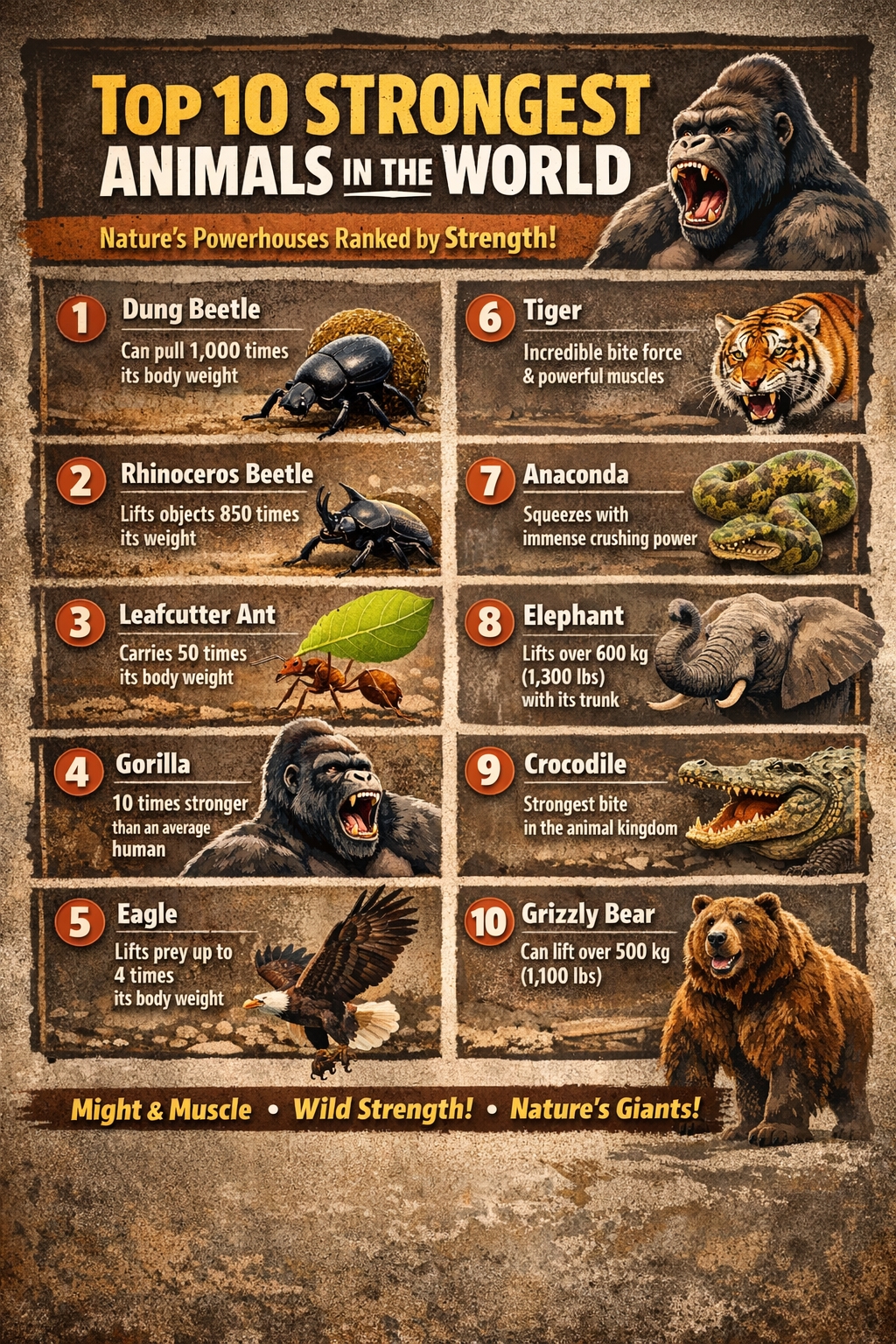
Top 10 Strongest Animals in the World: Looking for the #1 strongest animal? Here’s the real answer based on comparisons of strength, size, and power. Discover with Agasaro Safaris now
Table of Contents
Introduction
Strength means different things in nature. Some animals show raw bite force, some pull or lift incredible weights relative to their body size, and others display endurance or specialized anatomical power. Experience and learn more to book an African Safari with Agasaro Safaris to see some of the strongest animals listed here.
In this article, you will find:
- How scientists measure strength in animals
- Top 10 strongest animals in the world with evidence-based notes
- Where to see them in the wild
- Pro tips for safe and respectful wildlife viewing
Let us dive in.
What Is the Strongest Animal in the World?
The strongest animal in the world is the African bush elephant. It can lift up to 6,000 kilograms, making it the strongest land animal on Earth in terms of raw power and absolute strength.
However, pound for pound, the dung beetle is considered the strongest creature because it can pull more than 1,000 times its own body weight. Other incredibly strong animals include gorillas, tigers, grizzly bears, and rhinoceroses, all known for exceptional muscle power, endurance, and survival strength in the wild.
How do we measure “strength” in animals?
Strength can be measured in several ways. Here are the main metrics used in this list:
- Absolute force: how much force an animal can exert in newtons or pounds. This matters for large animals like elephants.
- Relative strength: how much an animal can lift or pull compared to its own body weight. Insects and crustaceans often excel here.
- Bite force: pressure generated by the jaws, often measured in pounds per square inch (psi).
- Endurance and sustained force: some animals maintain power over long periods, which counts as strength in the field.
We combine these metrics to produce a balanced, realistic ranking.
The Top 10 Strongest Animals in the World
1. African Bush Elephant
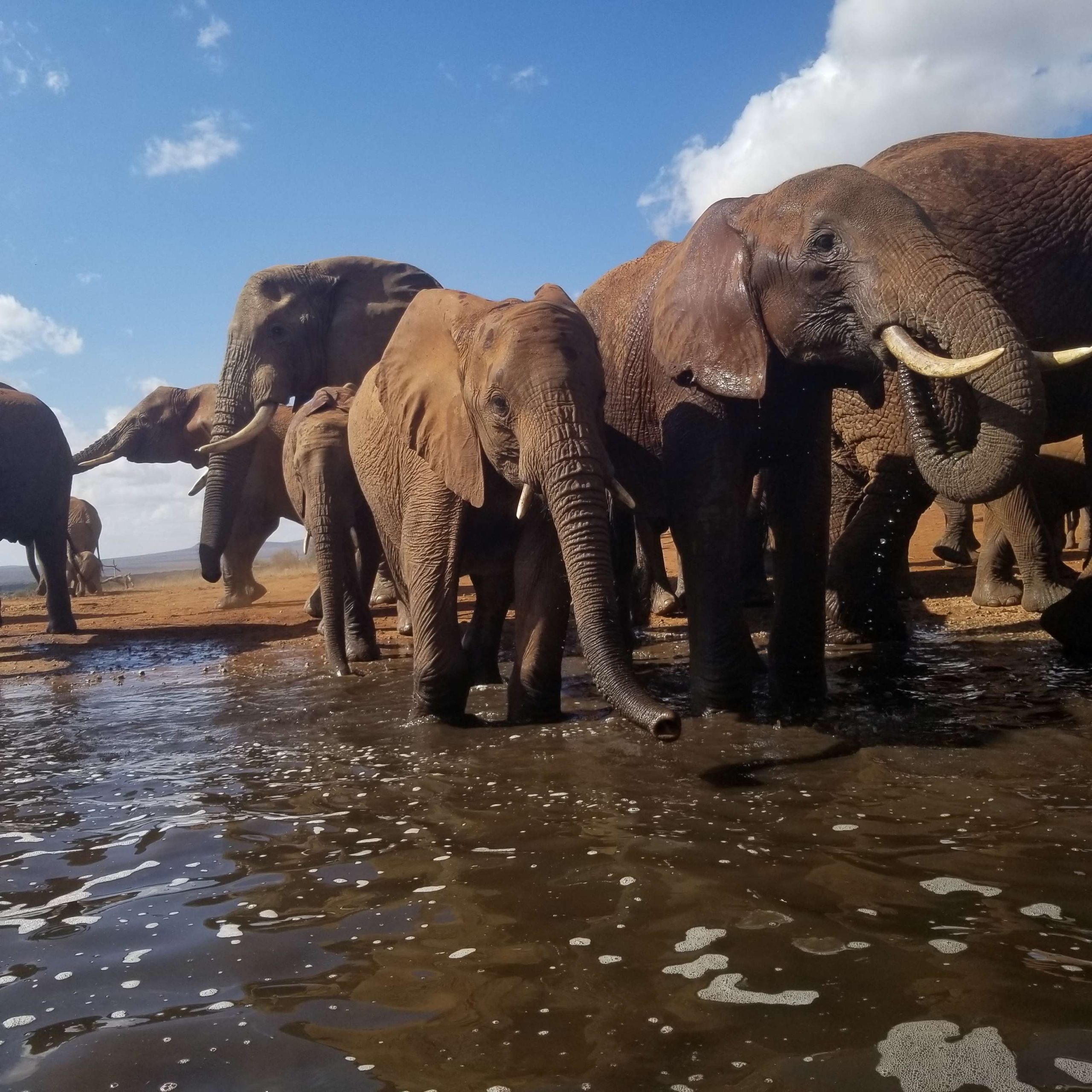
Why it ranks: African elephants are the largest land mammals and can push, lift, or uproot massive trees. Adult males can weigh 5,000 to 7,000 kilograms and use their trunk and tusks to apply enormous force.
Strength facts: An African elephant can carry several hundred kilograms with its trunk and can uproot full trees when feeding or defending territory.
Where to see: Savannas of East and Southern Africa, including Kenya, Tanzania, Botswana, and Uganda’s Murchison Falls region.
Insider secret: The trunk contains about 40,000 muscles, giving it fine motor skills and raw lifting power in one package.
2. Saltwater Crocodile
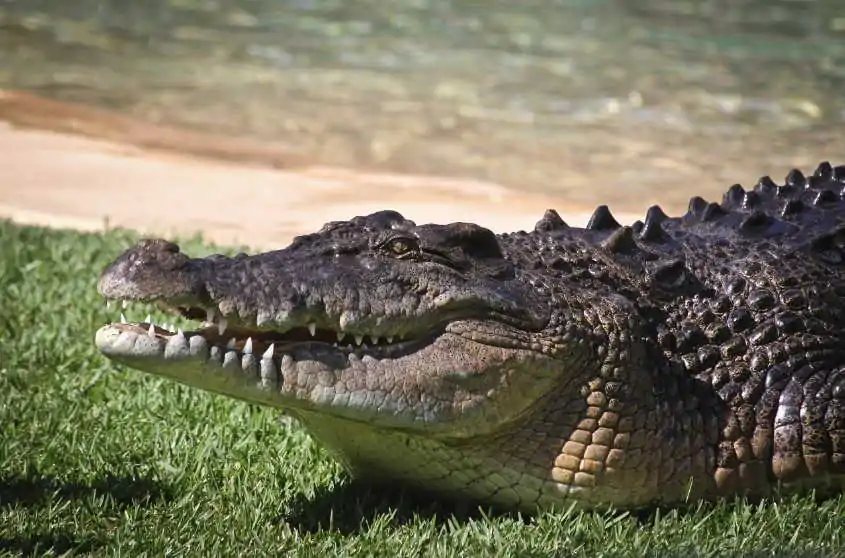
Why it ranks: Saltwater crocodiles deliver one of the strongest bite forces recorded. Their jaws close with terrifying power to hold and drown prey.
Strength facts: Bite force measurements place adult male saltwater crocodiles among the highest of any animal, able to exert several thousand pounds per square inch at peak.
Where to see: Coastal rivers and estuaries across South and Southeast Asia, northern Australia, and parts of the western Pacific.
Pro tip: Always keep a respectful distance. Crocodiles are ambush predators and can strike from the water in seconds.
3. Great White Shark
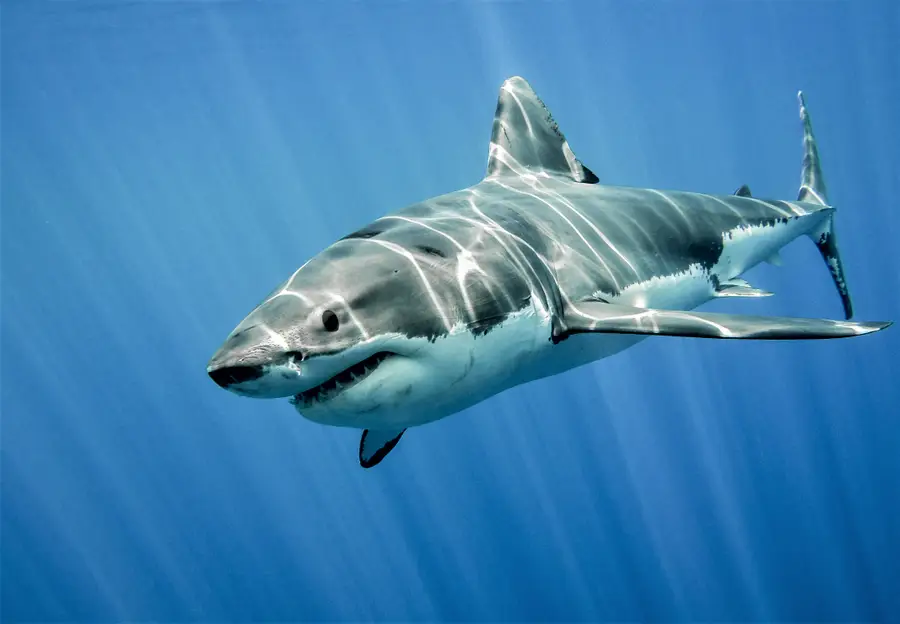
Why it ranks: Great white sharks combine size, speed, and a crushing bite adapted to take large marine mammals. Their bite force, speed of attack, and power are all factors.
Strength facts: Large adults deliver massive impact at the moment of the strike and use their entire body momentum to transfer force through their jaws.
Where to see: Cooler coastal waters like South Africa, California, and parts of Australia.
Note: Shark strength is not only bite force, but also body mass and hydrodynamic power during a strike.
4. Polar Bear
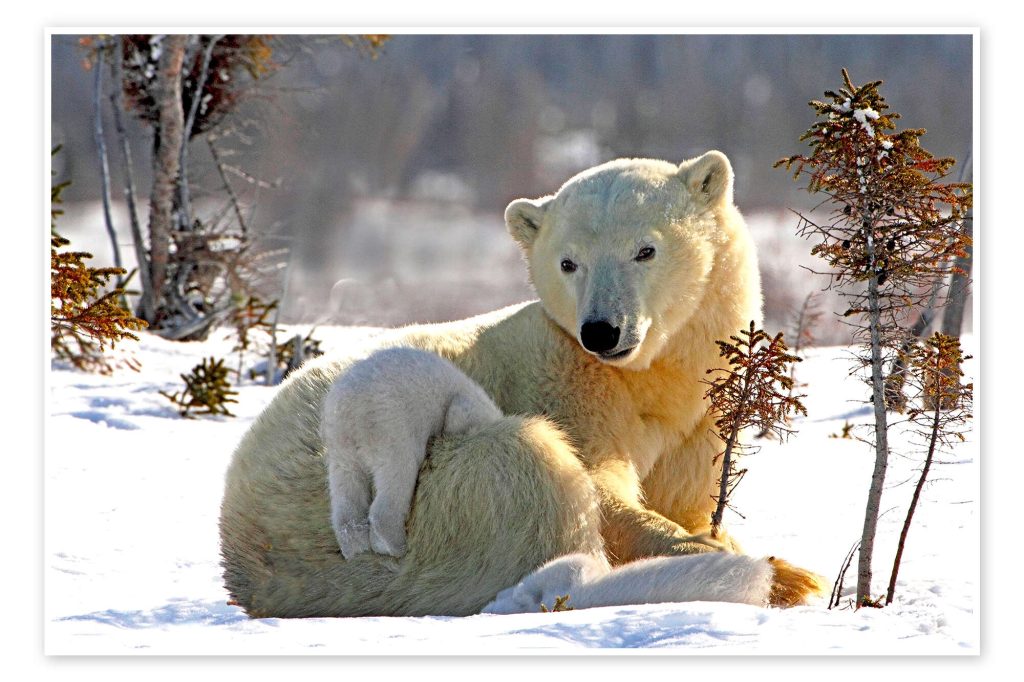
Why it ranks: Polar bears are apex predators on ice. They can tackle seals that weigh several hundred kilograms and drag carcasses across ice and snow.
Strength facts: Powerful forelimbs and neck muscles allow polar bears to break through ice and move heavy prey.
Where to see: Arctic regions, including parts of Canada, Norway (Svalbard), Russia, and Greenland.
Insider secret: Polar bears have an extra layer of fat and muscle that aids in both insulation and brute force.
5. Anaconda (Green Anaconda)
Why it ranks: Large constrictor snakes, such as the green anaconda, exert intense, sustained pressure to suffocate their prey. Relative to their size, their constriction power is extreme.
Strength facts: Anacondas and other big constrictors can subdue prey much heavier than themselves through sustained muscular contraction.
Where to see: Swamps and slow rivers of the Amazon basin in South America.
Pro tip: Do not approach riverbanks where these snakes hide, especially in remote wetlands at dawn or dusk.
6. Mountain Gorilla
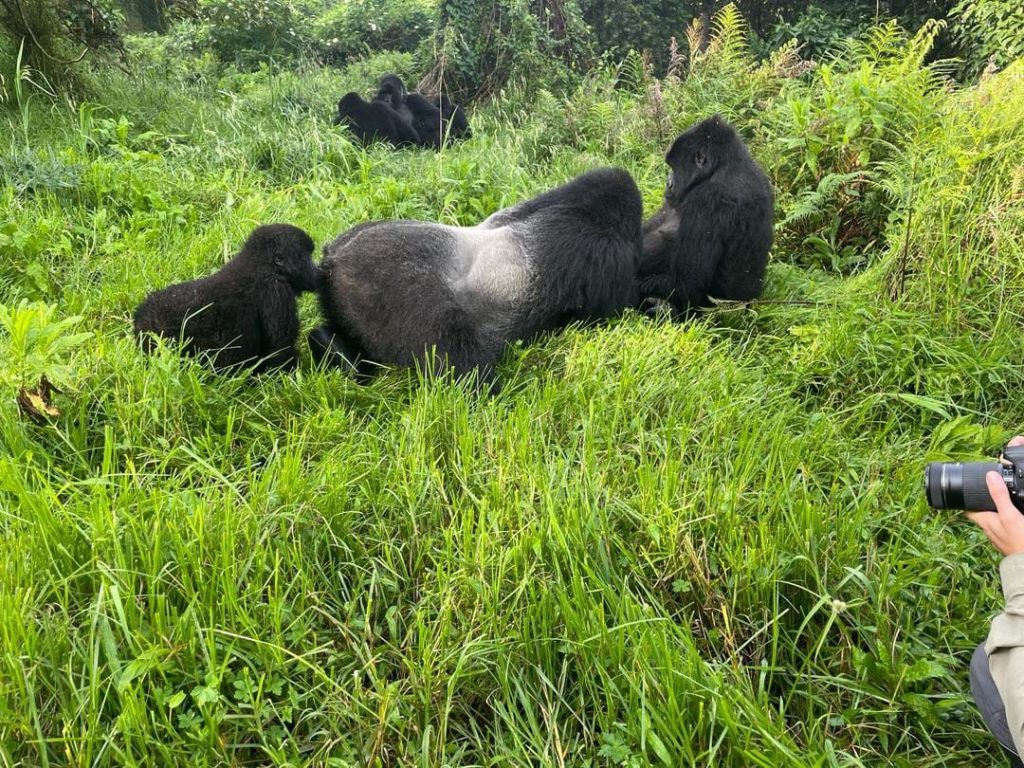
Why it ranks: Mountain gorillas have enormous upper-body strength, dense muscle, and powerful arms adapted for moving through steep, forested terrain and protecting their family groups.
Strength facts: Can exert several times the strength of an average human; can break bamboo, tear through vegetation, lift or push heavy objects, and deliver forceful defensive moves when needed.
Where to see: Volcanoes National Park (Rwanda), Virunga National Park (DRC), Bwindi Impenetrable Forest and Mgahinga Gorilla National Park (Uganda).
Insider secret: Silverbacks use chest-beating, mock charges, and displays of power to assert dominance; their short, powerful limbs and knuckle-walking give great leverage for pushing and lifting.
7. Rhinoceros Beetle
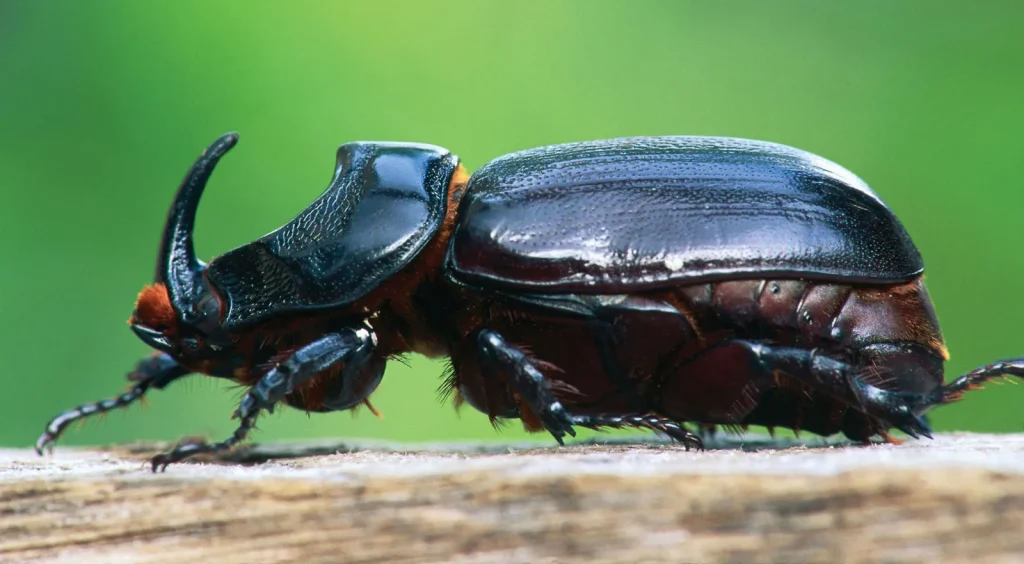
Why it ranks: For relative strength, rhinoceros beetles are champions. They can lift and move objects many times their own body weight.
Strength facts: Some species can lift up to 850 times their body weight, making them among the strongest animals by pound-for-pound comparison.
Where to see: Tropical forests and plantations in Asia, Africa, and the Americas, depending on the species.
Fun fact: Beetle fights during mating season show off their strength in dramatic head-to-head pushing contests.
8. African Lion
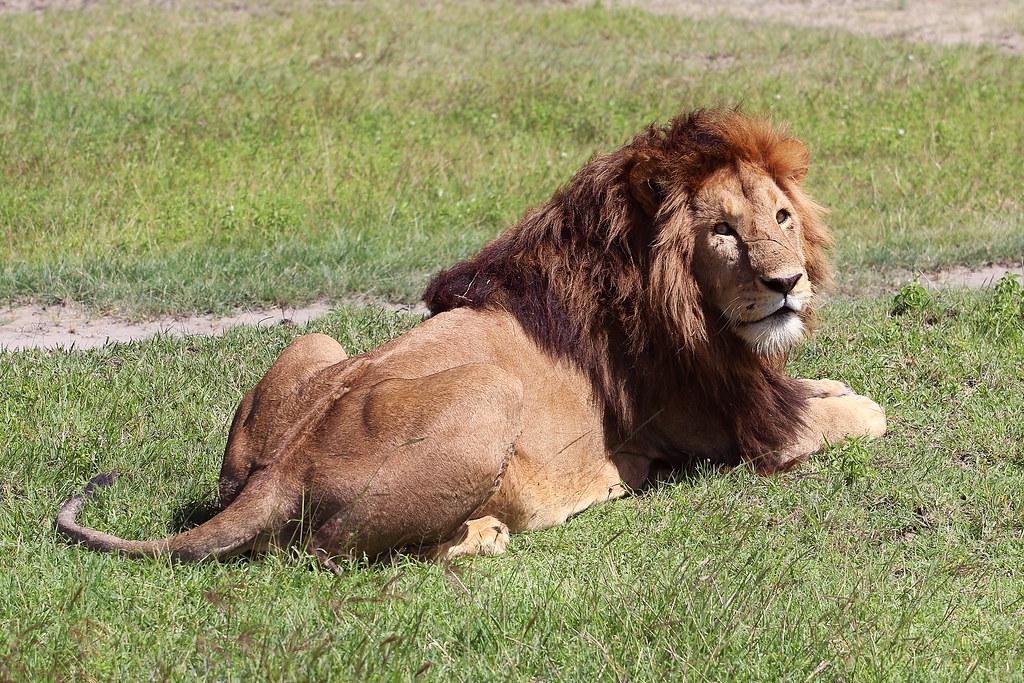
Why it ranks: Lions combine bite force, muscular forelimbs, and coordinated hunting technique to take down large ungulates.
Strength facts: A lion’s skull and jaw are adapted to deliver a killing bite and to hold struggling prey long enough for the pride to subdue it.
Where to see: Sub-Saharan Africa, including savanna parks like the Serengeti and Maasai Mara.
Pro tip: Dawn and dusk are the best times for lion activity and photos.
9. Hippopotamus
Why it ranks: Hippos have massive jaws and an enormous bite force. They are deceptively agile in water and on land for short bursts.
Strength facts: Hippos can open their jaws to nearly 150 degrees and bite with enough force to crush bone. They are responsible for more human fatalities in Africa than most large mammals.
Where to see: Rivers and lakes across much of sub-Saharan Africa, often visible from boat safaris.
Insider secret: Despite a seemingly docile appearance, hippos are extremely territorial and fast when provoked.
10. Tiger
Why it ranks: Tigers have a mix of size, muscular power, and bite force that makes them formidable solitary hunters.
Strength facts: Tigers can take down prey larger than themselves and use their powerful forelimbs to hold and deliver lethal bites.
Where to see: Fragmented habitats in Asia, including India, Russia’s Far East, and parts of Southeast Asia.
Conservation note: Many tiger populations are endangered. Viewing must be done with reputable, conservation-minded operators.
How to interpret this list
This ranking mixes absolute size, relative power, bite force, and ecological role. That means an animal ranked lower might be “stronger” in a specific metric than an animal ranked higher. For example, rhinoceros beetles beat elephants by pound-for-pound lifting power, while elephants win in absolute force.
Use the list as a comparative guide rather than a final verdict. Strength in nature depends on context.
Related Blog: Top 60 Rare Safari Animals to Spot
Safety and photography tips for wildlife viewing
- Always follow park rules and your guide’s instructions.
- Use a long lens for close-up animal photos rather than approaching wildlife.
- Never feed wild animals. Feeding harms natural behavior and can be dangerous.
- Learn basic animal body language. Many dangerous encounters can be prevented by maintaining distance and giving animals a path to retreat.
Frequently asked questions
Is the crocodile stronger than a great white shark?
They are strong in different environments. Crocodiles show enormous bite force on land and in shallow water, while great whites combine speed and mass in open water. Comparing them requires context.
Could a rhino beetle really lift 850 times its weight?
Yes. Many studies on insect muscle physiology show extraordinary relative strength in some beetles and ants. Measurements vary by species, but the order of magnitude is well supported.
Why are hippos considered dangerous if they spend most of their time in water?
Hippos are highly territorial and will charge boats or people if they feel threatened. Their bite force and agility make them deadly in close encounters.
Closing notes
Strength in the animal kingdom is fascinating because it reveals how evolution solves problems at wildly different scales. Whether you care about pound-for-pound heroes like beetles or absolute powerhouses like elephants, each species brings a unique kind of force to the world.