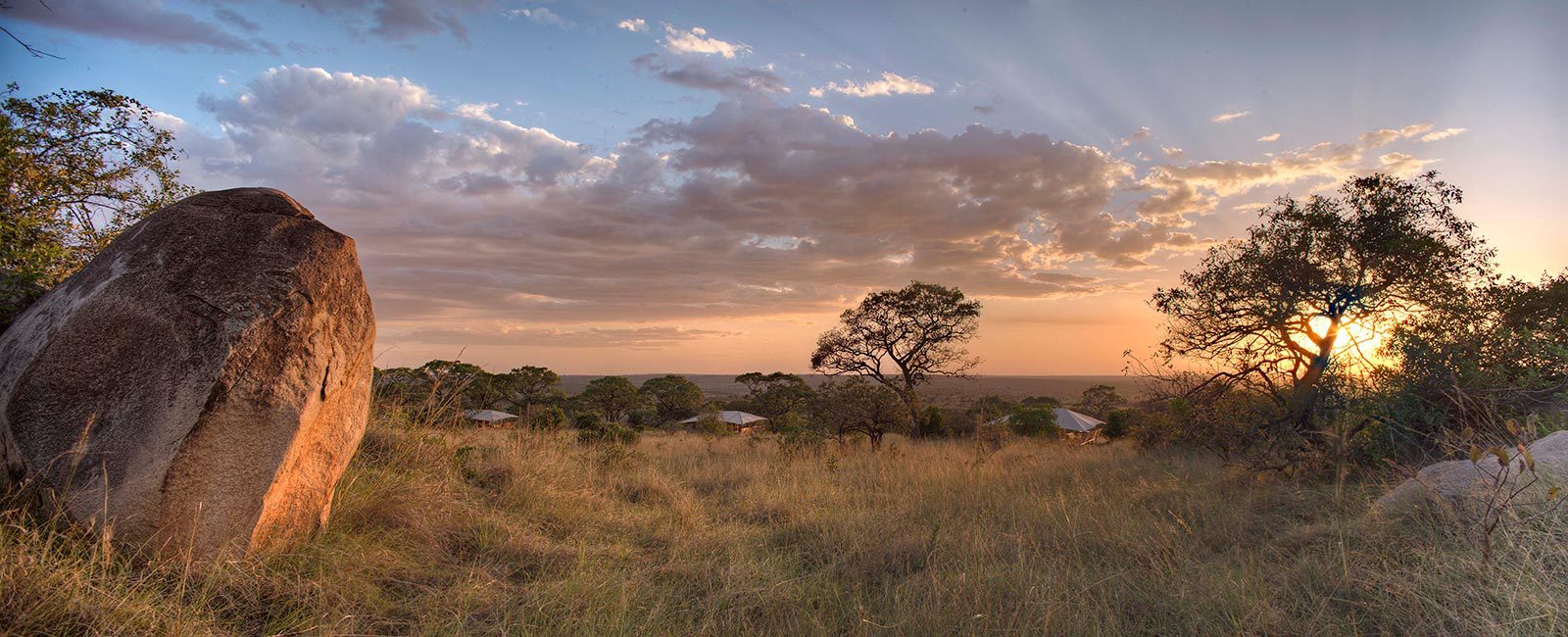
Tanzania National Parks Safari Guide-Planning a Tanzania safari? Discover all 22 national parks, the best time to visit for the Great Migration, 2026 cost guides, and expert tips. Plan your trip today!“
Tanzania is one of the world’s most iconic wildlife destinations. This guide is a single, searchable resource you can use to plan a trip, optimize for specific wildlife events like the Great Migration, and understand logistics, costs, and insider hacks that turn a good safari into a great one.
Quick takeaways you can use right now
- Best overall window for wildlife viewing: June to October.
- For dramatic river crossings of the Great Migration, head to July through September in the northern Serengeti.
- Expect significant park fees for top parks such as the Serengeti and Ngorongoro; these can be a large portion of daily costs.
- Most northern safaris start in Arusha. Fly into Kilimanjaro International Airport for the fastest access to the northern circuit. Driving time from JRO to Arusha is about an hour.
Table of Contents
Tanzania National Parks Safari Guide
Understanding safari circuits: North versus South
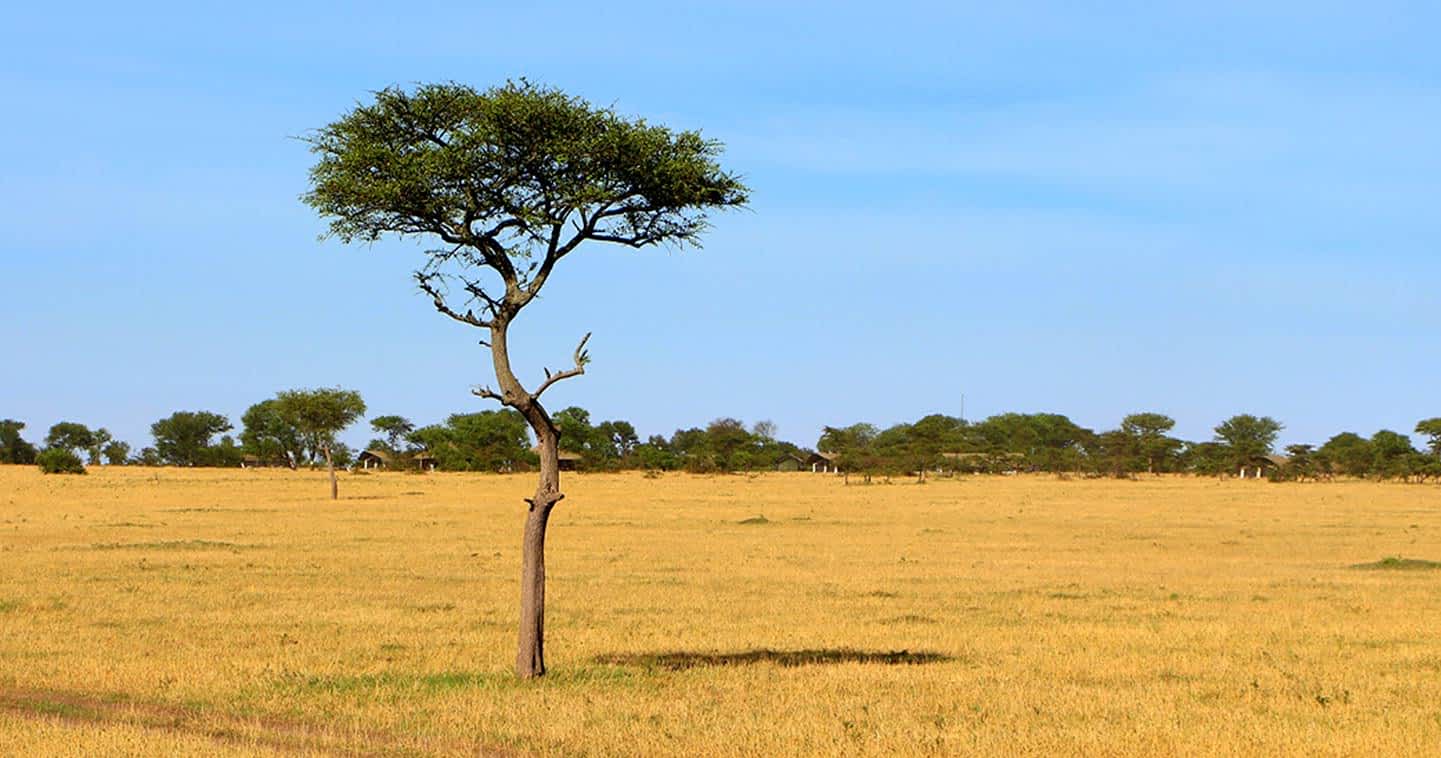
Safari planning in Tanzania begins with picking a circuit. Distances are large, and road travel can be slow, so most travelers pick one circuit per trip rather than trying to see everything.
Northern Circuit: the icons
The northern circuit is the classic safari route based in Arusha. It covers parks with the highest chance of big-cat sightings, dense wildlife, and the most developed lodge infrastructure.
Southern Circuit: the wild frontier
The southern circuit is far more remote. If you want solitude, walking safaris, or river safaris with fewer vehicles around, this is your playground. Logistics are heavier, but the payoff is privacy and raw wilderness.
When is the Best Time to Visit Tanzania National Parks?
A question travelers often ask is “What is the best time to go on a safari in Tanzania’s national parks?” The answer depends on your priorities—game viewing, weather preferences, crowd levels, photography opportunities, or budget considerations.
Dry Season vs Wet Season: What to Know
Dry Season (June to October) – Best overall time for wildlife viewing.
- Wildlife congregates around shrinking water sources, making animals easier to spot
- Roads are generally easier to access for game drives.
- This is peak safari season with higher travel costs and more tourists.
- Great Migration highlights such as the Mara River crossings take place from July to October in the northern Serengeti.
Wet Season (November to May) – Best for green landscapes, bird watching, and fewer crowds.
- Park landscapes turn lush and dramatic.
- Birdlife increases as migratory species arrive.
- Prices for safaris and lodges can be lower.
- Roads can be muddy, and wildlife more dispersed.
Related Blog Article: Kenya- Tanzania Safari Green Season Birdwatching Guide:
Monthly Season Breakdown for Safari Interests
Here is a monthly insight often shared by travelers planning their trips:
- January–February: Calving season in the southern Serengeti (Ndutu area) with abundant newborn animals and active predators.
- March–May: Long rains (wet season), lush scenery, and sometimes challenging travel conditions.
- June: Transition from wet to dry season; migration often moves to western corridors.
- July–October: Dry season and peak safari time with excellent game viewing and dramatic migration crossings.
- November–December: Short rains begin; parks are less crowded, and wildlife is still visible.
Tip:
Every month can offer remarkable experiences, but your objectives determine the best time for your personal safari plan.
Seasonal overview
| Season | Months | Why go |
| Peak dry | June to October | Best all-round wildlife viewing; migration river crossings. |
| Short rains | November to December | Greener landscapes; fewer crowds |
| Calving / green season | January to March | Calving in southern Serengeti (Ndutu); exceptional predator action |
| Long rains | March to May | Lowest prices; excellent birding; roads can be wet |
Featured snippet: For most travelers, the best single window is June to October for reliable viewing and ease of travel.
Migration micro-timing
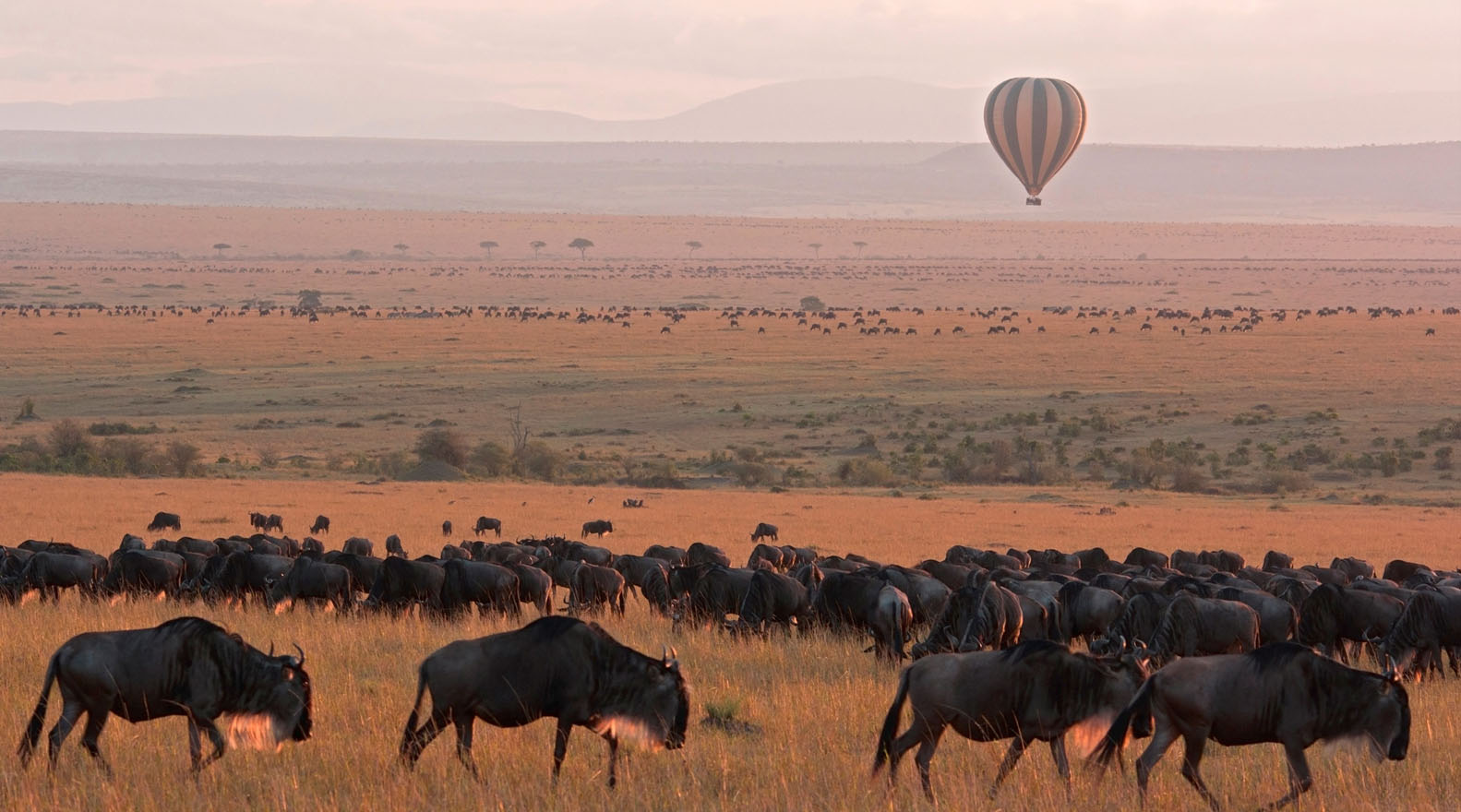
The Great Wildebeest Migration is mobile and park-to-park timing shifts with seasonal rainfall patterns. For river crossings in the northern Serengeti and Mara River, aim for July to September. For calving head to Ndutu in January and February.
Top parks and why to include each one
Serengeti National Park: The Wildlife Capital
The Serengeti is a UNESCO World Heritage site and home to the Great Wildebeest Migration.
- Best For: Big cats (lions, cheetahs, leopards) and the migration.
- Where to go: In June/July, head to the Grumeti River (Western Corridor). In August/September, go to the Mara River (Northern Serengeti) for the dramatic crossings.
- Expert Tip: Focus on the Seronera Valley if you want the highest concentration of leopards in the world.
Ngorongoro Conservation Area: The “Eighth Wonder”
A collapsed volcano that created a 600-meter-deep natural amphitheater. It is the best place in East Africa to see the Endangered Black Rhino.
- The Experience: It’s a “one-day” park. You descend into the crater for a morning or afternoon game drive.
- Pro Tip: Stay at a lodge on the Crater Rim. This allows you to be the first vehicle at the gate at 6:00 AM, giving you an hour of the crater to yourself before the day-trip crowds arrive from Arusha.
Related Articles: Ngorongoro Crater Big Five Safari Guide and Where to Stay in Ngorongoro: Top Luxury Safari Lodges 2025/26
Tarangire National Park: The Land of Giants
Often overlooked, Tarangire is famous for its massive Baobab trees and the largest elephant herds in Tanzania.
- Why Visit: In the dry season (July–Oct), the Tarangire River becomes the only water source for miles, drawing thousands of zebras, wildebeest, and buffalo.
- Duration: 1–2 days.
Nyerere National Park (Formerly Selous)
Twice the size of Belgium, this is Africa’s largest stand-alone park.
- Why Visit: It offers Boat Safaris on the Rufiji River. Watching elephants swim while you sip a sundowner from a boat is a signature Tanzanian experience you can’t get in the Serengeti.
Related Article:
Lake Manyara National Park – The “High-Impact” Compact Gem
Why visit:
- The Tree-Climbing Lions: One of the few places in Africa where lions regularly lounge in acacia branches to escape heat and insects.
- Avian Spectacles: Host to “pink clouds” of thousands of flamingos on the soda lake during the wet season.
- Ecological Diversity: Features a rare groundwater forest (perfect for baboons and blue monkeys) that feels like a jungle compared to the open Serengeti.
Best seasons:
- June–October (Dry): Ideal for spotting the famous tree-climbing lions and large elephant herds as vegetation thins.
- November–May (Wet): The absolute peak for birdwatchers and photographers; the lake is full, and the flamingos are at their most vibrant.
Recommended duration: Half day to 1 full day.
Insider Tip: Lake Manyara is one of the few parks in the Northern Circuit that offers Night Game Drives. If you want to see elusive leopards, civets, and porcupines, stay overnight at one of the lodges on the Rift Valley escarpment and book a nocturnal safari.
Ruaha National Park – The Predator Frontier
Why visit:
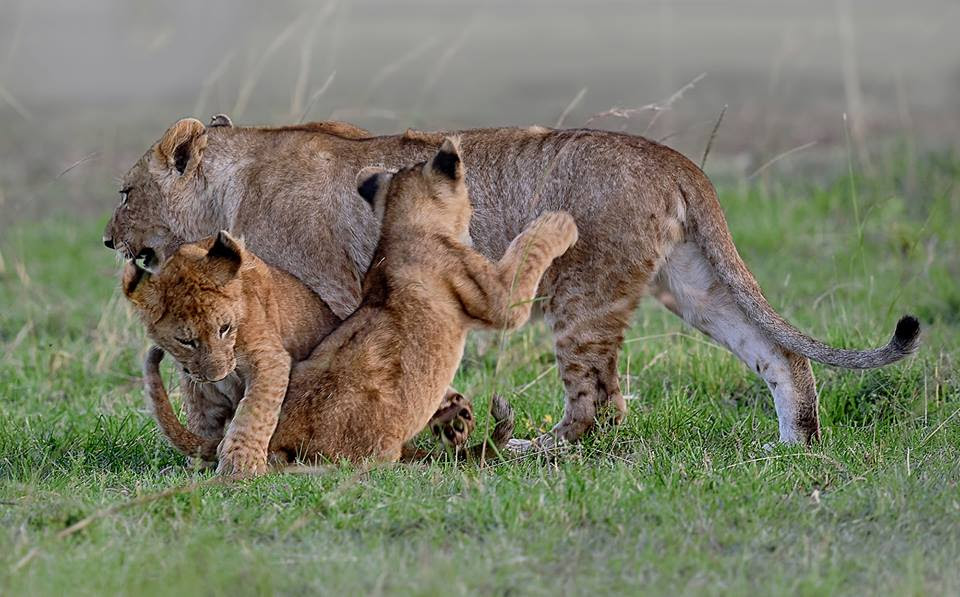
- Lion King Territory: Home to roughly 10% of the world’s remaining lion population, with prides often 20+ members strong.
- Rare Species: A unique “crossover” zone where you can see both Greater and Lesser Kudu, as well as the endangered African Wild Dog.
- The Remote Factor: Far fewer vehicles than in the North; you will often be the only car at a major sighting.
Best seasons:
- July–October (Dry): As the Great Ruaha River shrinks, it becomes a “wildlife magnet.” Predators line the banks waiting for thirsty buffalo and giraffe.
- January–March (Green): Stunning for birding and viewing the “baobab-studded” landscape in its lush, emerald state.
Recommended duration: 3–4 days.
Insider Tip: Ruaha is the home of the Walking Safari. Because of the park’s low vehicle density, it is one of the safest and most exhilarating places to track big game on foot with an armed ranger. Also, fly directly in—the drive from Dar es Salaam is a grueling 10+ hours that eats two days of your holiday.
Kilimanjaro National Park
The crown of Africa. This park isn’t about traditional game drives; it’s about the journey through five distinct climate zones to the highest point on the continent.
- Why Visit: To stand on the “Roof of Africa” (5,895m) and witness the shrinking glaciers.
- Best Seasons: Late December to March and June to October (clearest skies and safest climbing conditions).
- Recommended Duration: 6–8 days for a successful, acclimatized summit.
- Insider Tip: Take the Lemosho or Machame route for better scenery and a higher “climb high, sleep low” success rate compared to the Marangu route.
Related Article: Mt. Kilimanjaro Climb Guide [Updated]
Arusha National Park
A compact gem often overlooked, featuring the massive Mount Meru, the Momella Lakes, and the Ngurdoto Crater.
- Why Visit: It’s the best place to see the striking black-and-white Colobus monkeys and enjoy a walking safari without the crowds.
- Best Seasons: June to October (dry season) for views of Meru and Kili.
- Recommended Duration: 1 day (ideal for a “day trip” from Arusha city).
- Insider Tip: Don’t skip the canoeing safari on Small Momella Lake—it’s a serene way to see buffalo and hippos from the water level.
Mikumi National Park
Tanzania’s fourth-largest park and the most accessible from Dar es Salaam. It is often compared to the Serengeti for its open horizons.
- Why Visit: Incredible accessibility and high density of “the Big Five” (excluding rhinos) in the Mkata Floodplain.
- Best Seasons: June to October.
- Recommended Duration: 2–3 days.
- Insider Tip: Look for the “Elms of Mikumi”—large baobabs that the elephants have carved into unique shapes over decades.
The Western Circuit: The Chimpanzee & Remote Wilds
Mahale Mountains National Park
Accessible only by boat or charter plane, this is one of the most magical places in Africa, where forested mountains meet the crystal-clear waters of Lake Tanganyika.
- Why Visit: To track wild chimpanzees (the “M-Group”) in their natural habitat.
- Best Seasons: July to October (chimps are lower on the slopes and easier to find).
- Recommended Duration: 3–4 days.
- Insider Tip: After your morning chimp trek, spend the afternoon kayaking or snorkeling in Lake Tanganyika; the water is so clear it feels like a freshwater ocean.
Gombe Stream National Park
Famous as the site of Jane Goodall’s pioneering chimpanzee research. It is the smallest national park in Tanzania.
- Why Visit: For an intimate, history-steeped primate experience.
- Best Seasons: July to October.
- Recommended Duration: 2–3 days.
- Insider Tip: Visit “Jane’s Peak” for a panoramic view of the forest and the lake—it’s the same spot where she sat to observe the chimps in the 1960s.
Katavi National Park
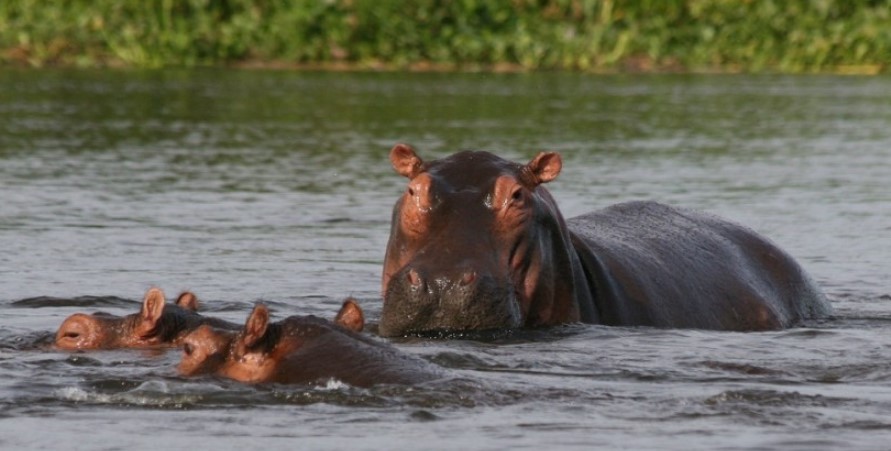
A “throwback” to Africa 50 years ago. It is incredibly remote and offers some of the highest concentrations of hippos and crocodiles.
- Why Visit: Total isolation and the dramatic sight of hundreds of hippos crammed into shrinking pools during the dry season.
- Best Seasons: August to October (essential for the best wildlife spectacles).
- Recommended Duration: 3–4 days.
- Insider Tip: Visit the “Tamarind Tree” inhabited by the spirit of the legendary hunter Katabi—local residents still leave offerings there for good luck.
Coastal & Specialized Gems
Saadani National Park
Where the “bush meets the beach.” It is the only wildlife sanctuary in East Africa with a beachfront on the Indian Ocean.
- Why Visit: Seeing elephants walking on the beach or green turtles nesting in the sand.
- Best Seasons: January, February, and June to August.
- Recommended Duration: 2 days.
- Insider Tip: Take a boat safari on the Wami River to see hippos, crocodiles, and specialized riverine birds like the Malachite Kingfisher.
Mkomazi National Park
A semi-arid bridge between the northern circuit and the coast, sharing an ecosystem with Kenya’s Tsavo West.
- Why Visit: It is a sanctuary for the Black Rhino and the African Wild Dog, two of the continent’s most endangered species.
- Best Seasons: June to October.
- Recommended Duration: 1–2 days.
- Insider Tip: Visit the specialized Rhino Sanctuary within the park (requires prior arrangement) for a rare, close-up view of these prehistoric giants.
Kitulo National Park
Known as the “Serengeti of Flowers” or “God’s Garden.” This is a botanist’s paradise rather than a big-game destination.
- Why Visit: To see over 350 species of plants, including 45 types of orchids that carpet the alpine meadows.
- Best Seasons: Late November to April (the peak flowering season).
- Recommended Duration: 1–2 days.
- Insider Tip: This is a hiker’s park. Bring good boots and a macro lens—the beauty here is in the tiny, colorful details of the flora.
The “New Frontier” Parks (Western & Lake Zones)
These parks were recently upgraded from Game Reserves and offer a truly “off-the-map” experience.
| Park | Why Visit | Best Season | Insider Tip |
| Burigi-Chato | Massive new park with lakes and hills; home to the rare Sitatunga antelope. | June–Sept | Great for those driving between Rwanda and Tanzania. |
| Rubondo Island | An island in Lake Victoria; prime for “Chimp Habituation” experiences and birding. | June–Oct | Look for the wild African Grey Parrots—this is one of their few natural habitats. |
| Ibanda-Kyerwa | Scenic acacia savannahs on the border of Rwanda/Uganda. | July–Sept | Ideal for “cross-border” travelers looking for quiet game drives. |
| Rumanyika-Karagwe | Deep valleys and montane forests; a potential future site for gorilla tourism. | June–Aug | Go for the butterflies and wild flowers in the valley floor. |
| Kigosi | Vast wetlands and floodplains; a haven for water birds like the Shoebill Stork. | June–Sept | Best explored by boat or specialized 4×4; very swampy! |
| Ugalla River | Remote miombo woodlands and a winding river with massive crocodiles. | July–Oct | One of the best places in the west to see Sable and Roan antelopes. |
| Saanane Island | The smallest park; located on an island right next to Mwanza city. | All Year | Perfect for a quick sunset walk and a view of the “De Brazza’s” monkeys. |
| Udzungwa Mtns | Part of the “Galapagos of Africa”; home to endemic primates and Sanje Falls. | June–Oct | Hike the Sanje Falls trail—you can swim in the plunge pools at the top. |
How much does a Tanzania safari cost?
Prices vary widely by comfort level, park, season, and transfer choices. Park fees are set by authorities and are non-negotiable, so they form a fixed base to your daily cost.
Typical per-person, per-day ranges including park fees, vehicle, guide, and meals
- Budget camping: $250 to $350 USD.
- Mid-range tented camp/lodge: $450 to $700 USD.
- Luxury fly-in camps and private-concession lodges: $1,000 to $2,500+ USD.
Important note: entrance fees for parks such as the Serengeti and Ngorongoro are significant and are charged on top of other safari costs. Factor these into your daily rate expectations. (Tanzania Parks)
If cost is the main constraint, consider traveling in shoulder months or booking group departures and shared vehicles.
Logistics: gateways, travel time, and the fly-in option
Gateway airports and hubs
Most northern safaris start in Arusha. For international flights, choose the airport nearest your circuit.
- Fly into Kilimanjaro International Airport when starting the northern circuit for the fastest access to Arusha. Driving time from JRO to Arusha is roughly an hour.
If you plan a southern circuit adventure, Dar es Salaam is the common arrival city.
Road travel versus fly-in safaris
Road travel is part of the safari rhythm, but can be bumpy and slow. If you have limited time, back problems, or want to reach remote parks faster, a fly-in safari uses light aircraft between bush airstrips and can save hours that you can spend on game drives.
On transfers and timing
Plan at least one buffer day at each international gateway to absorb flight delays. For migration-focused trips, build flexibility into your schedule; the herds move, and a two-to-three-day buffer increases your chance of being in the right place.
Packing list: travel smart and travel light
Essentials
- Neutral colored clothing: khaki, olive, tan.
- Lightweight layers for cold mornings and hot afternoons.
- Comfortable walking shoes and a warm fleece.
- Wide-brim hat and sunscreen.
- 8×42 binoculars and a camera with a telephoto lens. Having your own binoculars transforms your experience.
- Small daypack, refillable water bottle, and motion sickness medication if you are prone.
Tech and documentation
- Copies of permits and travel insurance.
- Plug adapters and a power bank.
- Spare SD cards and a sturdy camera bag.
Health and safety
- Basic first aid and any personal medication.
- Malaria prophylaxis options discussed with your health provider.
Related Blog Article: What to Expect on a Luxury Safari in Africa: Essential Guide
How Long Should I Stay on a Tanzania Safari?
Your ideal duration depends on which parks you want to visit and what experiences you value:
Short Safari (3–5 days)
- Great for combining Ngorongoro Crater, Lake Manyara, and Tarangire if you have limited time.
Medium Safari (7–10 days)
- Allows time to explore Serengeti’s plains, migration areas, and crater wildlife in depth.
Extended Safari (10–14+ days)
- Ideal for adding southern parks like Ruaha and Nyerere, or combining with Zanzibar beaches.
Tip: Many travelers choose to fly between parks to save travel time and maximize game drive hours.
This loop balances travel time with high-value game viewing. For migration-focused trips, swap Seronera for western or northern corridors depending on herd location.
Related Blog Article: Where Should I Go for a Safari in East Africa 2025?
FAQ‘s
How long should I spend on safari in Tanzania?
Short safaris are 3 to 5 days. A 7 to 10-day trip is ideal for the northern circuit. For southern circuit exploration or to combine parks and beach time, aim for 10 to 14 days.
Do I need a tour operator to visit Tanzania’s parks?
Yes. Accredited operators handle park permits, local guides, vehicles, and logistics that are difficult to coordinate independently, especially for fly-in safaris.
When does the Great Migration cross the river?
River crossings most frequently occur between July and September, but timing varies year to year. Build flexibility into your trip to improve your chances.
Are parks open year-round?
Yes. Most parks are open year-round, though road access may be more difficult during the long rains.
Tanzania official park tariff document and NCAA tariff pages for current fee schedules. (Tanzania Parks)
Trusted safari operator pages and conservation organizations for background on the Great Migration.
Final Thoughts
Tanzania’s national parks are unmatched for adventure, wildlife diversity, and safari memories. This guide has covered the best seasons to visit, when to go for specific experiences, detailed park recommendations, and insider planning tips to help you build a safari experience that fits your goals. With the right planning and timing, your Tanzanian safari will be nothing short of extraordinary