What Are the Top 10 Forest Parks in Uganda? Whether you are planning a primate safari, a birding expedition, or a peaceful rainforest escape, these forests represent some of the most extraordinary natural destinations in East Africa.
Introduction
Uganda is famous for its mountain gorillas and classic savannah safaris, but the country is also home to some of Africa’s most remarkable tropical forests. These lush ecosystems stretch across the Albertine Rift and central Uganda, protecting ancient rainforests that host chimpanzees, rare birds, butterflies, and hundreds of unique plant species. The region is considered one of the richest biodiversity hotspots in Africa, with exceptionally high numbers of endemic wildlife and plant species.
From the misty slopes of Bwindi Impenetrable Forest to the towering mahogany trees of Budongo Forest, Uganda’s forest parks offer incredible opportunities for wildlife encounters and nature exploration. Travelers visit these forests for unforgettable experiences such as chimpanzee trekking, birdwatching, rainforest hiking, and guided nature walks.
In this guide, you will discover the top forest parks in Uganda, what makes each one unique, and the best activities to experience in these biodiverse landscapes.
Top Forest Parks in Uganda
If you are planning a nature safari in Uganda, choosing the right forest depends on the experience you want. Some forests are best for gorilla trekking, others for chimpanzee tracking, birdwatching, or easy day trips from Kampala.
(Quick Comparison Guide)
| Forest Park | Location | Best For | Key Wildlife | Best Experience |
| Bwindi Impenetrable Forest | Southwestern Uganda | Gorilla trekking | Mountain gorillas, rare birds | Once-in-a-lifetime gorilla encounter |
| Kibale Forest | Western Uganda | Primate tracking | Chimpanzees, 13 primate species | Best chimpanzee trekking in Africa |
| Budongo Forest | Near Murchison Falls | Chimpanzee trekking | Chimpanzees, forest birds | Affordable chimp trekking and birding |
| Mabira Forest | Central Uganda | Easy nature escape | Monkeys, birds, butterflies | Best rainforest near Kampala |
| Kalinzu Forest | Near Queen Elizabeth NP | Budget chimp trekking | Chimpanzees, primates | Less crowded chimp tracking |
| Bugoma Forest | Western Uganda | Eco tourism | Chimpanzees, forest elephants | Remote conservation forest experience |
Insider Tip:
Budongo Forest alone covers about 825 km² and hosts chimpanzees and over 360 bird species, making it one of Uganda’s most important tropical forests.
What Are the Top 10 Forest Parks in Uganda?
1. Budongo Forest Reserve
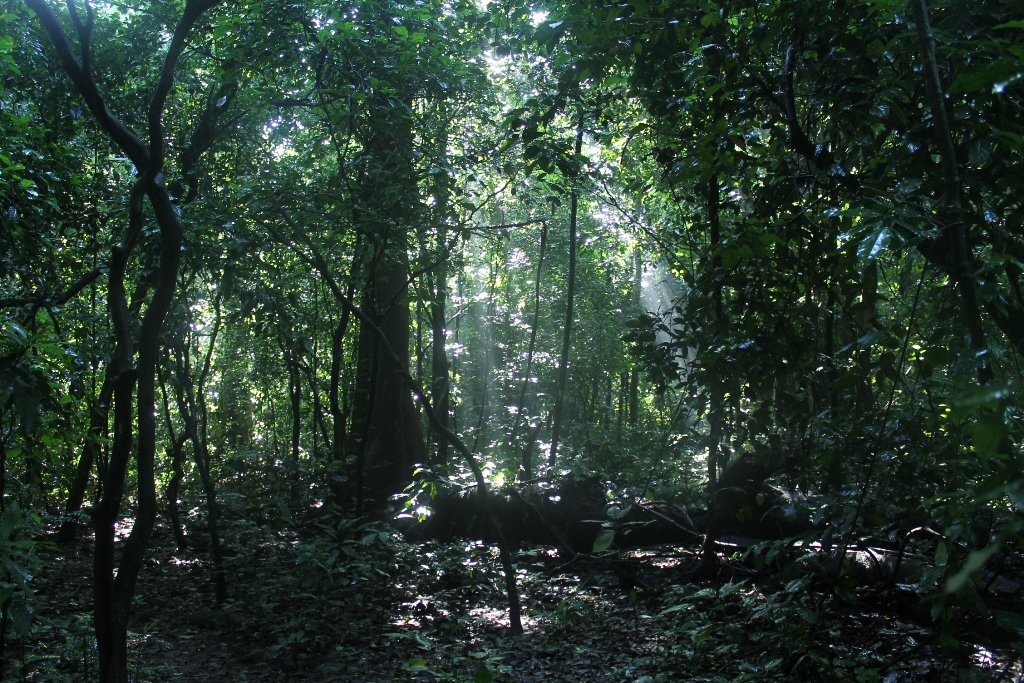
Budongo Forest is one of the largest natural forests in Uganda, covering about 825 square kilometers near Murchison Falls National Park.
This forest is famous for its towering mahogany trees and is one of the largest populations of wild chimpanzees in Uganda.
Highlights
- Chimpanzee trekking at Kaniyo Pabidi
- Over 360 bird species
- Ancient mahogany trees
- Guided forest walks
Budongo is often combined with safaris in Murchison Falls National Park, making it one of the most accessible rainforest experiences in Uganda.
Chimpanzee trekking in Budongo pairs well with a safari in Uganda
2. Mabira Central Forest Reserve
Located between Kampala and Jinja, Mabira Forest is the most accessible rainforest in Uganda and a favorite destination for nature walks and birding.
The reserve covers about 300 square kilometers and has been protected since 1932.
Activities in Mabira include:
- Zip-lining through the canopy
- Bird watching
- Guided forest hikes
- Mountain biking trails
Because of its proximity to the capital, Mabira is perfect for day trips from Kampala or Entebbe.
3. Kalinzu Forest Reserve
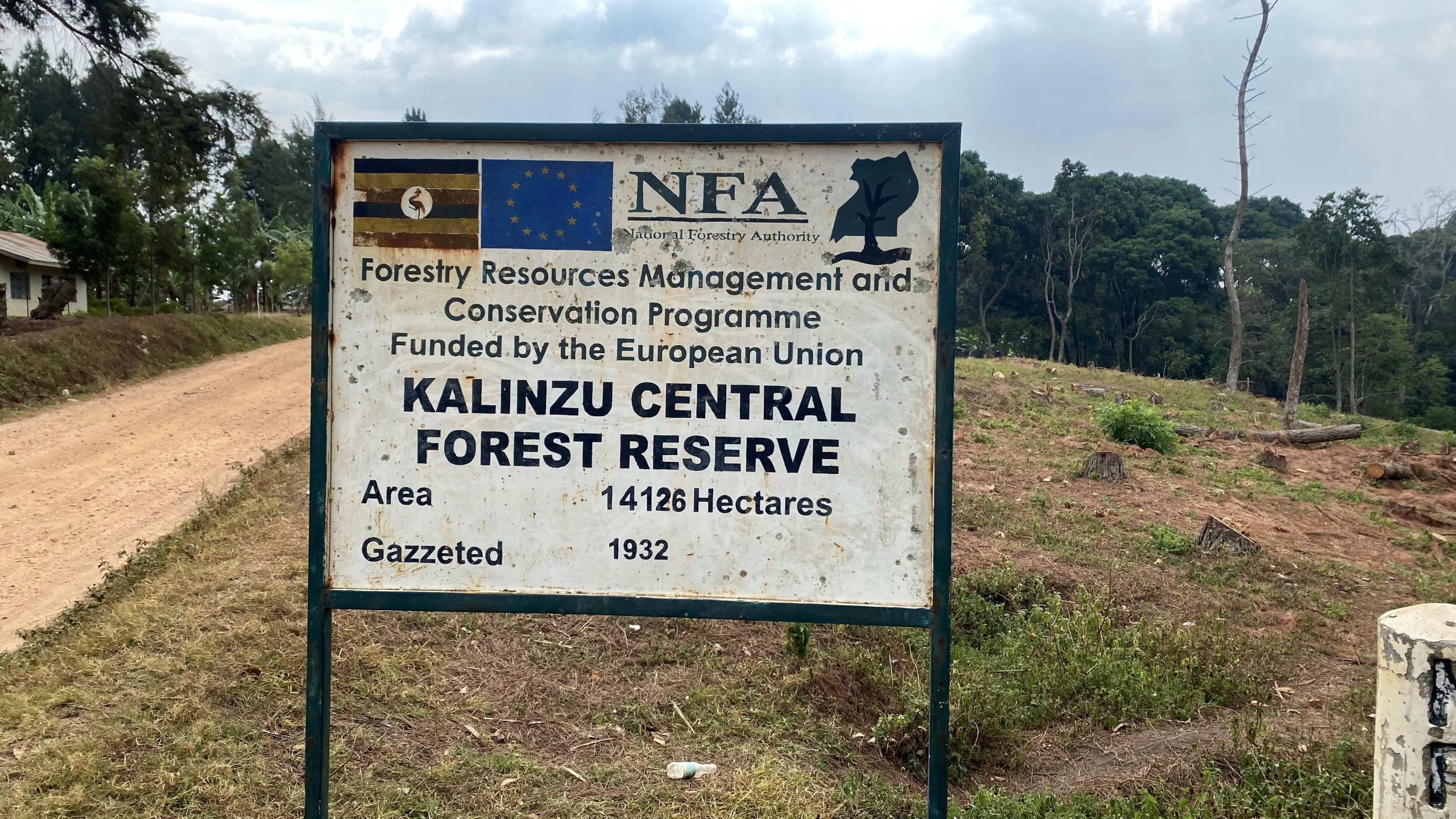
Kalinzu Forest is one of Uganda’s most rewarding chimpanzee trekking destinations.
The forest hosts:
- 378 bird species
- Six primate species, including chimpanzees
- over 400 tree species
Located near Queen Elizabeth National Park, Kalinzu is a hidden gem for travelers who want primate tracking without the crowds of Kibale.
4. Kasyoha Kitomi Forest Reserve
Kasyoha-Kitomi Forest is one of Uganda’s largest tropical forest reserves, covering about 433 square kilometers.
This pristine rainforest contains:
- chimpanzees
- crater lakes
- rare birds and butterflies
- scenic hiking trails
Because it is relatively undeveloped for tourism, it offers one of the most authentic rainforest experiences in Uganda.
5. Bwindi Impenetrable Forest
Bwindi is arguably the most famous forest in Uganda because it protects nearly half of the world’s remaining mountain gorillas.
The forest is part of the Albertine Rift biodiversity hotspot, home to rare birds and primates.
Things to do in Bwindi
- Gorilla trekking
- Bird watching
- Forest hikes
- Batwa cultural encounters
Bwindi is often described as one of Africa’s oldest rainforests, estimated to be over 25,000 years old.
6. Kibale Forest National Park
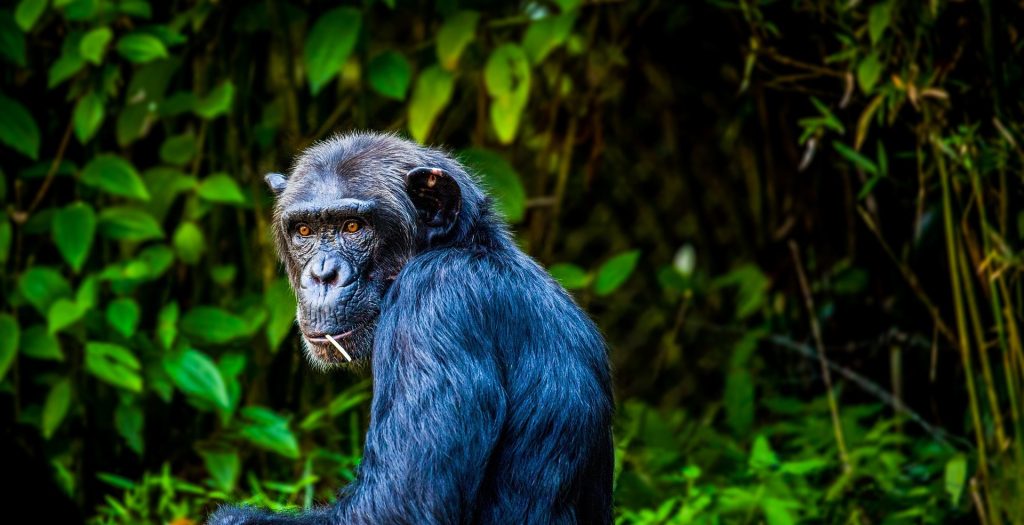
Kibale Forest is widely known as the primate capital of the world.
The park contains:
- 13 primate species
- over 375 bird species
- lush rainforest ecosystems
Chimpanzee trekking in Kibale is considered one of the best wildlife encounters in Africa.
7. Bugoma Forest
Bugoma Forest is one of Uganda’s most important conservation forests.
It hosts:
- chimpanzees
- endangered monkeys
- rare birds
The forest lies between Hoima and the Albertine Rift escarpment and is increasingly becoming a destination for ecotourism and conservation research.
8. Echuya Forest Reserve
Echuya Forest lies between Bwindi and Mgahinga National Parks.
Although small, it is incredibly rich in biodiversity and birdlife.
Highlights include:
- Albertine Rift endemic birds
- bamboo forests
- Golden monkey habitats nearby
Echuya is one of the best forests for rare bird species in Uganda.
9. Maramagambo Forest
Located inside Queen Elizabeth National Park, Maramagambo Forest is one of the largest natural forests in the park.
Attractions include:
- Bat caves
- Crater lakes
- Forest primates
- Scenic walking trails
The forest adds a rainforest experience to the savannah landscapes of Queen Elizabeth.
10. Zoka Forest
Zoka Forest is one of the last remaining tropical rainforests in Adjumani District, northern Uganda.
Although still developing for tourism, it is incredibly important for biodiversity and conservation.
Visitors can experience:
- Birdwatching
- Forest hikes
- Unique ecosystems are rarely visited by tourists.
What Forest Reserves Are Found in Uganda?
Uganda has many protected forest reserves that conserve wildlife, chimpanzees, rare birds, and tropical rainforest ecosystems. These forests are managed mainly by the National Forestry Authority and play a critical role in biodiversity conservation and ecotourism.
Some of the most notable forest reserves include Budongo, Mabira, Kalinzu, Kasyoha-Kitomi, Bugoma, and Echuya, which together protect thousands of hectares of rainforest and wildlife habitats across the country.
Which Is the Largest Park in Uganda?
The largest national park in Uganda is Murchison Falls National Park, covering about 3,840 square kilometers.
This park protects savannah plains, riverine forests, and the dramatic Murchison Falls where the Nile squeezes through a narrow gorge.
Highlights of the park include:
- Big Five wildlife
- Boat safaris on the Nile
- Chimpanzee trekking in Budongo Forest
- Incredible birdwatching.
Because of its size and biodiversity, it is often considered the best overall safari destination in Uganda.
Which Park Is the Most Visited in Uganda?
The most visited park in Uganda is Murchison Falls National Park, largely due to its accessibility and diverse wildlife.
Reasons why it attracts the most visitors:
- Big Five wildlife safaris
- Nile boat cruises
- proximity to Budongo Forest chimpanzees
- dramatic waterfalls.
For many travelers visiting Uganda for the first time, Murchison Falls offers the most complete safari experience.
Why Uganda’s Forest Parks Are Among Africa’s Best
Uganda’s forests are globally significant because they lie within the Albertine Rift biodiversity hotspot, one of the richest ecosystems on Earth.
These forests support:
- more than 1,000 bird species
- dozens of primate species
- rare mammals and amphibians
- endemic plants.
The country’s mix of rainforests, wetlands, and savannah habitats creates one of Africa’s most diverse wildlife landscapes.
Best Activities to Experience in Uganda’s Forest Parks
Chimpanzee Trekking
The most popular forest activity in Uganda is tracking chimpanzees in the wild.
Top locations
- Kibale Forest
- Budongo Forest
- Kalinzu Forest
- Kyambura Gorge.
Chimpanzees share about 98 percent of their DNA with humans, making encounters incredibly fascinating.
Birdwatching
Uganda is one of the best birding destinations in the world, with over 1,070 recorded species.
Some forests are especially famous for birdwatching.
Best forest birding locations:
- Bwindi Impenetrable Forest
- Budongo Forest
- Mabira Forest
- Kibale Forest.
Your birding article on your blog already highlights how rich Uganda’s birdlife is, especially in rainforest ecosystems.
Forest Nature Walks
Guided nature walks allow travelers to explore rainforest ecosystems on foot.
You may encounter:
- monkeys
- forest elephants
- butterflies
- rare plants.
These walks are perfect for travelers who want a slower and more immersive safari experience.
Best Time to Visit Forest Parks in Uganda
Uganda’s forests can be visited year-round, but the best months are:
Best time
- December to February
- June to August
During these months, the trails are drier, making forest hikes and primate trekking easier.
Frequently Asked Questions
What is the most famous forest in Uganda?
Bwindi Impenetrable Forest is the most famous because it protects mountain gorillas.
Where can I see chimpanzees in Uganda?
The best places include:
Kibale Forest
Budongo Forest
Kalinzu Forest.
Which forest is closest to Kampala?
Mabira Forest Reserve is the closest major rainforest and can be reached in about one hour.
Are Uganda’s forests safe to visit?
Yes. Most forest parks are protected areas managed by conservation authorities and guided tours are available.
What forest reserves are found in Uganda?
Uganda has many protected forests, including:
• Budongo Forest
• Mabira Forest
• Kalinzu Forest
• Kasyoha-Kitomi Forest
• Bugoma Forest
• Echuya Forest.
Which forest in Uganda has chimpanzees?
Chimpanzees can be tracked in:
• Kibale Forest
• Budongo Forest
• Kalinzu Forest
• Kyambura Gorge.
Budongo alone hosts hundreds of chimpanzees and a rich biodiversity.
Are there tropical rainforests in Uganda?
Yes. Uganda has several tropical rainforests, including:
• Bwindi Impenetrable Forest
• Kibale Forest
• Budongo Forest
• Mabira Forest.
What is the best forest for birdwatching in Uganda?
Top birdwatching forests include:
• Bwindi Impenetrable Forest
• Budongo Forest
• Mabira Forest
• Kibale Forest.
What is the largest forest in Uganda?
Budongo Forest is one of the largest natural forests in Uganda, covering about 825 km² near Murchison Falls National Park.
What animals live in Uganda’s forests?
Common wildlife found in Uganda’s forests include:
• Chimpanzees
• Mountain gorillas
• Colobus monkeys
• Forest elephants
• Rare birds and butterflies.
Can you visit forests in Uganda?
Yes. Visitors can explore Uganda’s forests through:
• Chimpanzee trekking
• Birdwatching
• Guided forest walks
• Nature hikes.
Planning a Forest Safari in Uganda
Uganda’s forests are best explored with experienced guides who understand wildlife tracking and rainforest ecosystems.
A well-planned safari can combine:
- Gorilla trekking in Bwindi
- Chimpanzee trekking in Kibale
- Wildlife safaris in Queen Elizabeth
- Birdwatching in Mabamba wetlands.
This combination offers one of the most diverse safari experiences in Africa.
Start Planning Your Uganda Forest Adventure
Uganda’s rainforests are among the most biodiverse ecosystems in Africa and offer unforgettable experiences for wildlife lovers.
Whether you want to track chimpanzees, search for rare birds, or hike through ancient rainforest trails, these forest parks provide some of the most unique adventures on the continent.
If you are planning a Uganda safari, explore our expertly designed tours here
Our local guides help travelers experience Uganda’s forests responsibly while supporting conservation and local communities.