Best Burundi National Parks for Wildlife and Nature: Discover safari highlights, cities, languages, and travel tips with Agasaro Safaris
Table of Contents
Introduction
Burundi is one of East Africa’s most overlooked safari destinations. Tucked between Rwanda, Tanzania, and the Democratic Republic of Congo, this small country hides remarkable biodiversity, lush tropical forests, wildlife-rich wetlands, and vibrant cultural traditions.
While Burundi rarely appears on mainstream safari itineraries with tourist attractions, adventurous travelers who explore its landscapes discover pristine ecosystems and authentic cultural experiences that remain largely untouched by mass tourism.
From the dense rainforest of Kibira National Park to the expansive savanna of Ruvubu National Park, Burundi’s national parks protect habitats filled with primates, antelope, hippos, birds, and rare forest species.
Beyond wildlife, the country also offers:
- cultural traditions such as royal drumming
- historic cities like Gitega and Bujumbura, formerly known as “Usumbura”.
- beautiful rivers and lakes, including Lake Tanganyika
- montane forests and wetlands that support diverse birdlife
This guide explores Burundi’s national parks while also highlighting the country’s forests, wildlife, rivers, cultures, and travel experiences.
Burundi National Parks Comparison Table
| Birds, primates, and rare plants | Habitat Type | Key Wildlife | Nearby City | Best Activities |
| Kibira National Park | Montane rainforest | Chimpanzees, colobus monkeys, birds | Bujumbura | Primate trekking, birdwatching |
| Ruvubu National Park | Savanna and river valleys | Buffalo, antelope, hippos | Gitega | Game viewing, photography |
| Rusizi National Park | Wetlands and delta | Hippos, crocodiles, birds | Bujumbura | Boat safaris, birdwatching |
| Kigwena Nature Reserve | Lowland rainforest | Monkeys, reptiles, birds | Rumonge | Forest walks |
| Bururi Forest Reserve | Mountain forest | Birds, primates, rare plants | Bururi | Hiking and birding |
Pro Tip:
These parks and reserves form the backbone of Burundi’s conservation network and protect ecosystems that connect the Congo Basin forests with East African savannas.
Best Burundi National Parks for Wildlife and Nature
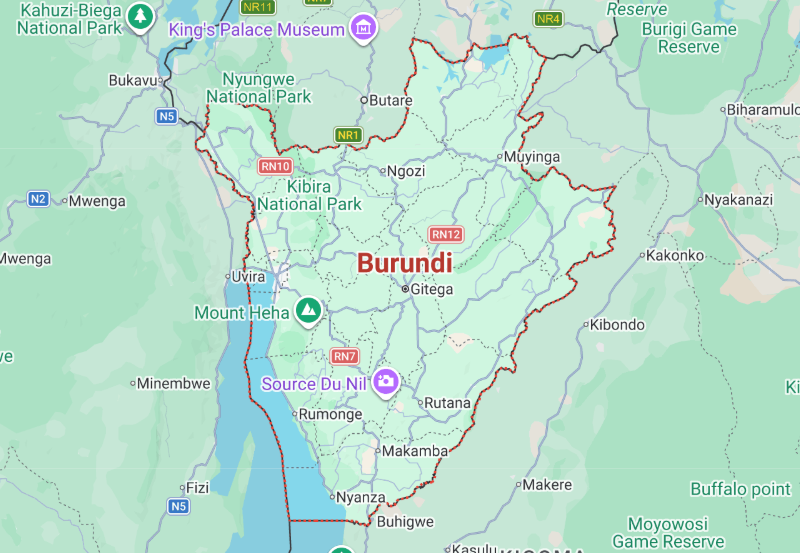
Kibira National Park
One of Burundi’s most spectacular protected areas is Kibira National Park, a vast montane rainforest that stretches along the Congo Nile divide.
The park forms part of the larger Albertine Rift ecosystem, which is considered one of Africa’s most important biodiversity hotspots.
Wildlife highlights include:
- chimpanzees
- black and white colobus monkeys
- olive baboons
- over 200 bird species
The forest canopy is dominated by ancient mahogany and bamboo, creating an environment that supports rare primates and forest birds.
Insider Tip:
Visitors can explore Kibira through guided forest hikes and birdwatching excursions. The park’s trails reveal waterfalls, rivers, and dense vegetation that make it one of Burundi’s most pristine wilderness areas.
Ruvubu National Park
The largest protected area in Burundi is Ruvubu National Park, located in the northeastern part of the country.
The park covers a vast savanna landscape shaped by the Ruvubu River, which provides water for wildlife throughout the year.
Wildlife commonly seen here includes:
- African buffalo
- bushbuck
- waterbuck
- warthogs
- hippos along riverbanks
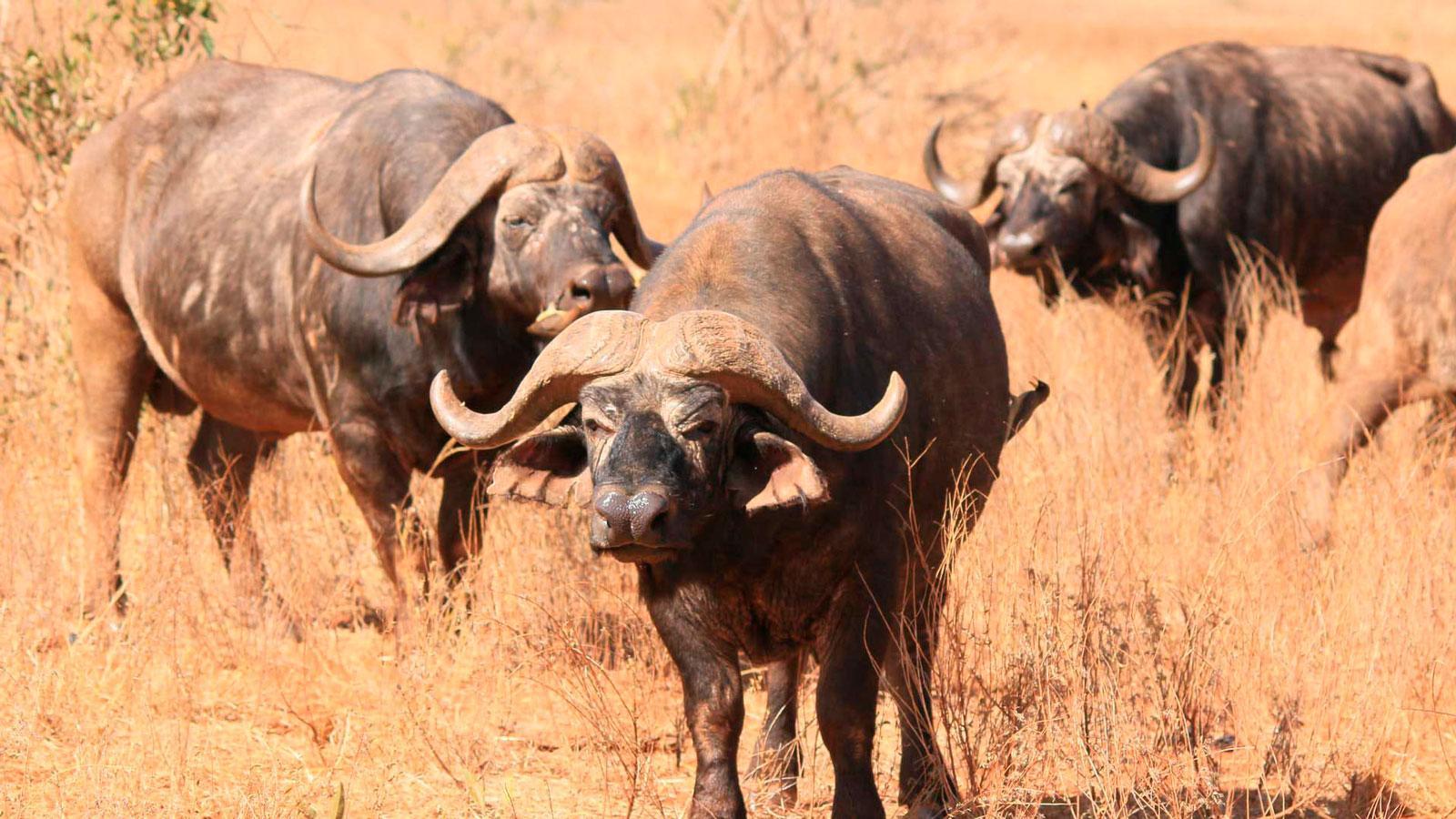
Ruvubu is also an excellent destination for birdwatching, with species such as kingfishers, herons, and raptors frequently spotted along wetlands.
Insider Tip
Although tourism infrastructure remains limited, the park offers an authentic safari atmosphere similar to remote wildlife reserves elsewhere in East Africa.
Rusizi National Park
Located near Bujumbura, Rusizi National Park protects the wetlands and delta where the Rusizi River flows into Lake Tanganyika.
The park is famous for its large population of hippos that gather in the river channels.
Other wildlife includes:
- Nile crocodiles
- antelope species
- numerous water birds
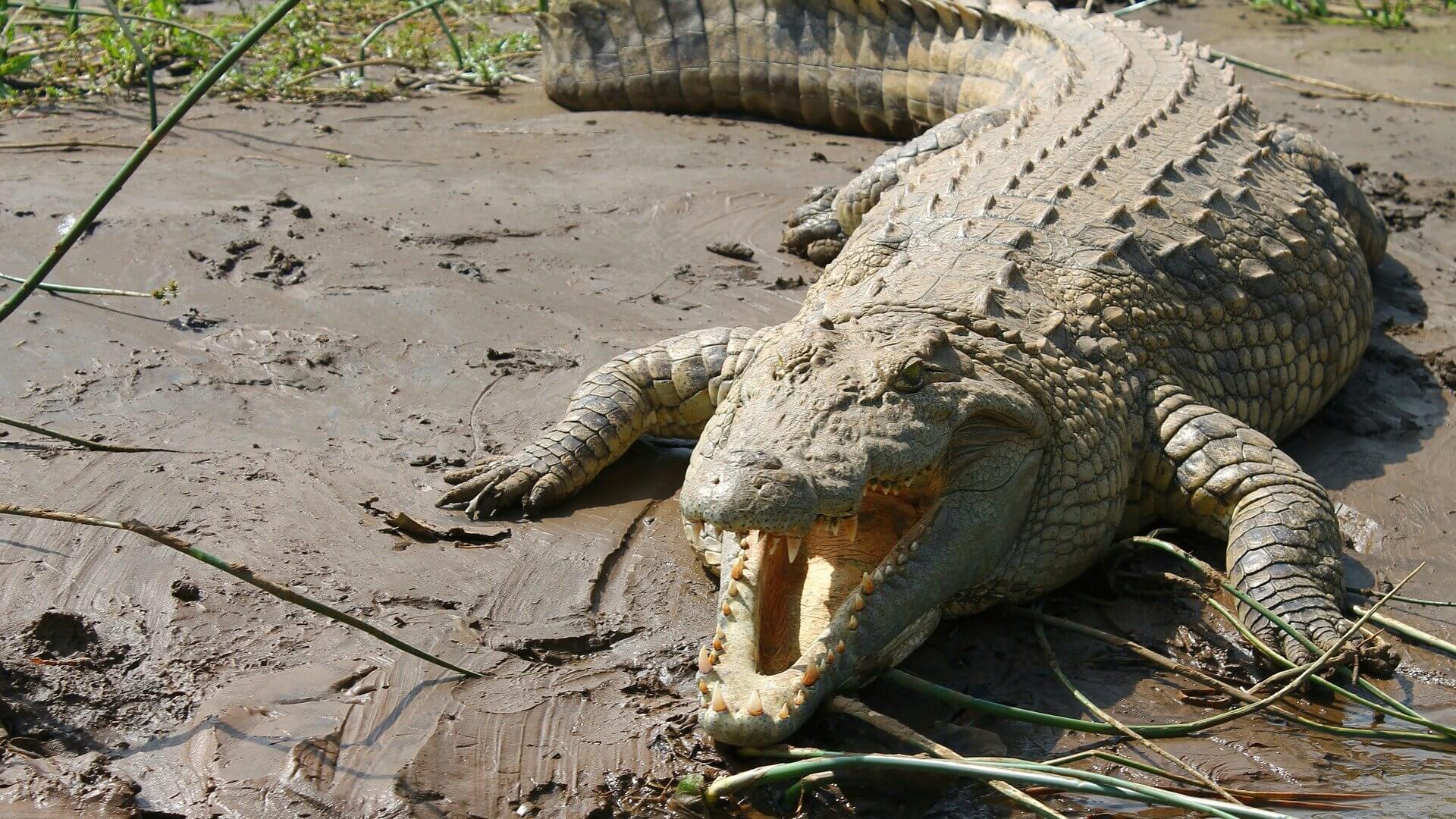
Boat excursions through the wetlands provide excellent opportunities for birdwatching and photography.
Insider Tip
Because of its proximity to the capital city, Rusizi is one of the most accessible wildlife destinations in Burundi and is also highly mentioned by RAMSAR as a complex of permanent inland delta, freshwater lakes, rivers, and marshes.
Burundi’s Forests and Nature Reserves
Bururi Forest Nature Reserve
The Bururi Forest Nature Reserve protects one of Burundi’s most biologically diverse montane forests.
This reserve contains:
- more than 100 tree species
- rare orchids and medicinal plants
- primates and forest birds
The area’s cool mountain climate and lush vegetation make it a paradise for hikers and nature lovers.
Kigwena Nature Reserve
Located near the shores of Lake Tanganyika, Kigwena Nature Reserve preserves a rare lowland rainforest ecosystem.
Although smaller than other reserves, Kigwena is known for its populations of monkeys, reptiles, and tropical birds.
Nature walks through the forest reveal towering trees and a dense jungle atmosphere rarely seen elsewhere in Burundi.
Major Rivers and Lakes in Burundi
Lake Tanganyika
One of Africa’s most extraordinary natural landmarks is Lake Tanganyika, the second deepest lake in the world.
The lake supports an immense variety of aquatic life and provides stunning beaches along Burundi’s western shoreline.
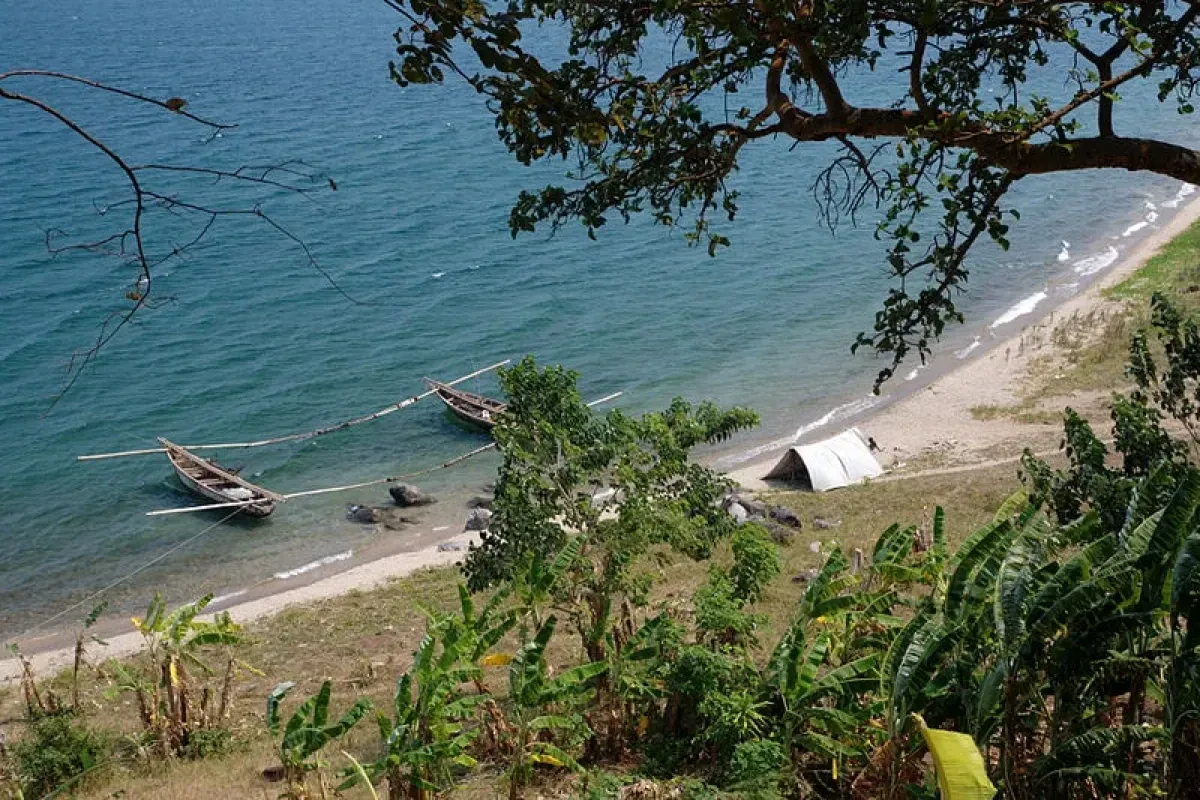
Popular activities include:
- swimming and kayaking
- fishing excursions
- sunset boat cruises
The lake also serves as an important ecological corridor linking Burundi with neighboring countries.
Rusizi River
The Rusizi River flows from Lake Kivu to Lake Tanganyika and forms a crucial wetland habitat in western Burundi.
The river supports hippos, crocodiles, and a large number of bird species.
Wetland ecosystems along the Rusizi are particularly important for migratory birds traveling between central and southern Africa.
Cultural Attractions and Cities in Burundi
Bujumbura
The largest city in Burundi is Bujumbura, located on the northeastern shores of Lake Tanganyika.
Key attractions include:
- lively markets and cultural centers
- lakeside beaches and restaurants
- The Rusizi National Park is nearby
The city serves as the main gateway for international travelers visiting Burundi.
Gitega
The historic city of Gitega is considered the cultural heart of Burundi.
Visitors come here to experience the famous Royal Drummers of Burundi, whose powerful performances are recognized as one of the country’s most iconic traditions.
The city also hosts museums and cultural centers that explain Burundi’s royal history.
Read our Burundi Travel Guide here
Languages and Cultural Identity in Burundi
Burundi has a rich linguistic heritage that reflects its cultural diversity.
The main languages spoken include:
Kirundi
The national language spoken by most Burundians.
French
Widely used in government, education, and administration.
English
Increasingly used in business and tourism.
Swahili
Common in trade and regional communication.
Understanding these languages provides deeper insight into Burundi’s traditions and daily life.
Best Time to Visit Burundi National Parks
Wildlife viewing in Burundi is possible throughout the year.
However, the best conditions usually occur during the dry seasons:
June to September
December to February
During these months:
- Roads are easier to access
- Wildlife gathers near water sources
- Hiking conditions improve in forests
Birdwatching is particularly rewarding during the wetter months when migratory species arrive.
Related Article: Top Safari Tours in East Africa
Why Burundi Is an Emerging Safari Destination
Burundi remains one of the least-visited countries in East Africa, yet it offers unique advantages for adventurous travelers.
Key reasons to visit include:
- untouched ecosystems
- authentic cultural experiences
- fewer tourists than major safari destinations
Related Blog Article: Top Burundi vs Rwanda Travel Tips
Frequently Asked Questions
How many national parks are in Burundi?
Burundi has three primary national parks:
Kibira National Park
Ruvubu National Park
Rusizi National Park
In addition, several nature reserves protect forests and wildlife habitats.
What wildlife can you see in Burundi?
Common wildlife includes:
chimpanzees
colobus monkeys
buffalo
antelope
hippos
crocodiles
Birdlife is also abundant in forests and wetlands.
Is Burundi safe for tourism?
Tourism is gradually developing in Burundi. Visitors should travel with experienced guides and follow updated travel advice before planning a trip.
What is Burundi famous for culturally?
Burundi is internationally known for the Royal Drummers, a traditional performance that symbolizes the country’s heritage and royal history.
What languages are spoken in Burundi?
The most widely spoken language is Kirundi. French, English, and Swahili are also used in education, tourism, and business.
Conclusion
Burundi may be small in size, but its landscapes reveal remarkable diversity.
From the rainforest canopy of Kibira National Park to the savannas of Ruvubu National Park, the country protects wildlife habitats that remain largely unexplored by international travelers.
Add to this the cultural traditions of Gitega, the lakeside beauty of Lake Tanganyika, and the vibrant atmosphere of Bujumbura, and Burundi becomes a destination full of discovery.
For travelers seeking new safari experiences beyond traditional East African routes, Burundi’s national parks and natural landscapes offer an authentic and rewarding adventure.